
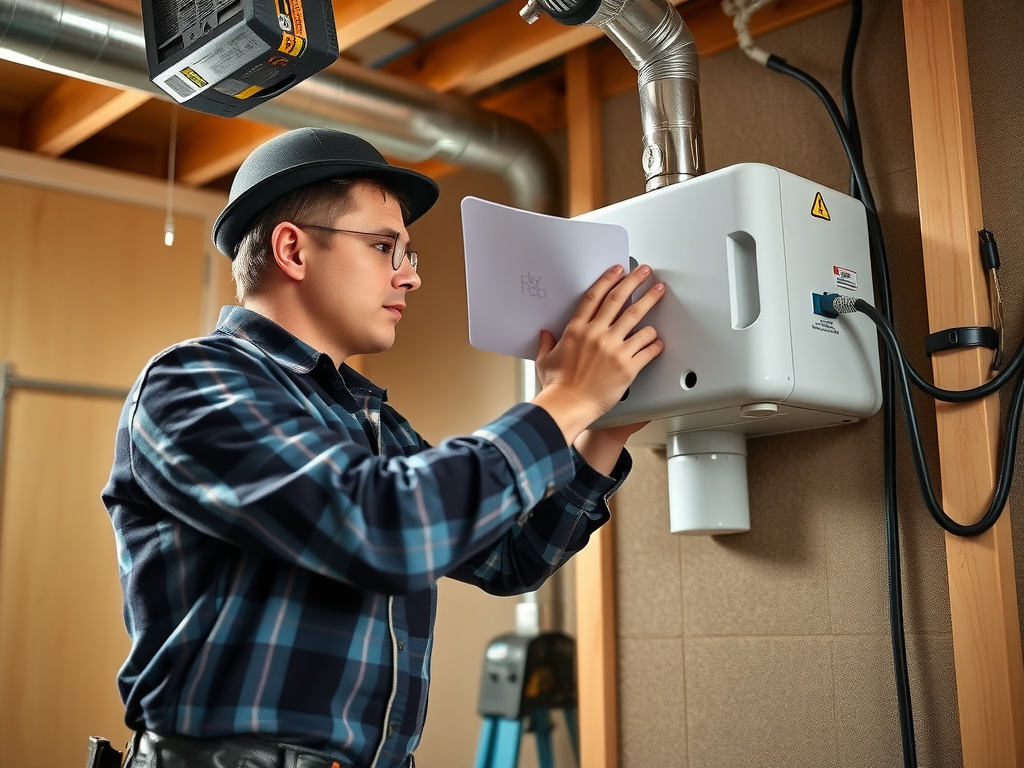
The gurgle started as a whisper beneath the tiles. Not the usual post-shower drip, but a low, wet choke—like something was fighting for breath. I’d just stepped out, towel around my waist, when it happened again. This time louder. A client once described it as “the drain coughing up a lung.” I laughed then. Not anymore. That sound means trouble, and it usually traces back to one overlooked detail: the shower drain size code. Most people think any grate will do. They’re wrong. I’ve ripped out six malfunctioning systems in the past year alone because someone used a 40mm trap instead of the required 52mm. Code isn’t bureaucracy—it’s physics with consequences.
This guide focuses on code requirements for sizing. For comprehensive installation procedures, see our complete shower drain installation guide.
Drains aren’t just holes in the floor. They’re engineered systems. The size, slope, trap type, and venting all interact. Get one wrong, and the whole thing rebels. I once saw a £15,000 wet room flood every third use because the builder used a standard bathroom floor waste meant for a 32mm pipe. The shower was high-flow, dual-head, demand-driven—pumping 12 litres per minute into a system built for 6. The water had nowhere to go. It backed up, seeped under the tiles, rotted the plywood, and by the time the homeowner noticed the smell, the subfloor was mush. That’s not plumbing failure. That’s ignorance of the code.
And it’s not just about preventing floods. It’s about hygiene, longevity, and legal compliance. The wrong drain size can trap debris, breed Pseudomonas, and fail building inspections. In England and Wales, Part G of the Building Regulations sets minimum flow rates. Scotland has its own standards under Section 3. Northern Ireland follows similar rules. But none of it matters if the physical component—the drain body, the trap, the grate—doesn’t match the design. I’ve stood in front of building control officers with a 52mm Oatey Fast Flow trap in one hand and a builder’s 40mm plastic job in the other, explaining why one passes and the other doesn’t. The look on their face? Priceless. Not because I enjoy catching mistakes, but because it’s fixable—before the tiles go down.
Understanding shower drain size code isn’t rocket science, but it is precise. It’s the difference between a bathroom that works and one that slowly destroys itself.
David Wright
Quick Steps:
1. Confirm local building code requirements (Part G, BS EN 1253)
2. Match shower flow rate to minimum trap size (≥52mm for high-flow showers)
3. Use linear drains for large-format showers; point drains for standard enclosures
4. Install with 2% fall (1:40 slope) to waste
5. Test with 10L/min flow before tiling
Understanding Shower Drain Size Code: More Than Just Diameter
When people ask about “shower drain size code,” they usually mean the minimum internal diameter of the trap or waste pipe. But it’s more complex. The code governs flow capacity, not just pipe width. In the UK, Part G of the Building Regulations requires that shower drains handle a minimum discharge rate of 12 litres per minute (L/min). That’s not a suggestion—it’s law. And to achieve that, you need the right components.
The standard metric is 52mm internal diameter for the trap and waste pipe. This isn’t arbitrary. A 52mm trap can handle up to 18 L/min under ideal conditions (proper slope, no blockages, correct venting). A 40mm trap? Maxes out at around 6–7 L/min. That’s half the required flow. Use one on a modern shower, and you’re inviting slow drainage, standing water, and eventual failure.
I once replaced a 40mm trap in a new-build apartment in Manchester. The shower had a Hansgrohe Raindance 300 head and a handheld. Flow rate? 14.2 L/min. The builder used a cheap 40mm ABS trap from Screwfix—£18.99 for a pack of three. It was undersized, poorly sloped, and unvented. Water pooled within 30 seconds of use. The tenant thought it was a tile slope issue. It wasn’t. It was physics. I swapped it for a Zurn Z888-52 52mm stainless steel trap—£62 from Wolseley. Instant fix. No pooling, no gurgling. That’s the power of code compliance.
But size isn’t the only factor. BS EN 1253 sets standards for drainage fittings in commercial and domestic buildings. It specifies flow tests, material durability, and trap seal depth. For showers, the trap must maintain a 50mm water seal to prevent sewer gases from entering the room. Cheap plastic traps often fail this under high flow—they deprime, letting gases through.
Some argue, “My 40mm drain works fine.” Maybe. If you have a low-flow showerhead (8 L/min), minimal usage, and perfect slope. But modern showers aren’t low-flow. Power showers, thermostatic mixers, rain heads—they push water fast. And codes are written for worst-case scenarios, not best. That’s why the 52mm rule exists.
Linear vs. Point Drains: Sizing and Code Implications
Drain type affects sizing requirements. There are two main types: point drains (central) and linear drains (channel-style, usually along one edge).
Point drains are traditional. A single grate in the middle or corner. They require precise floor slope—2% minimum (1:40)—to direct water to the centre. The trap size must still be 52mm if the shower flow exceeds 12 L/min. Brands like Aqua-Stream make point drains with integrated 52mm traps (model AS-52P, £78 at B&Q 2025). They’re compact, easy to install, and code-compliant.
Linear drains are popular in wet rooms. They span 600mm to 1200mm, capturing water along a line. Their advantage? Less slope needed. You can have a nearly flat floor as long as it falls toward the channel. But here’s the catch: linear drains still connect to a 52mm waste pipe. Some manufacturers, like Hepworth, offer linear systems with dual 40mm inlets that merge into a single 52mm outlet. That’s acceptable—if the total flow capacity meets 12 L/min.
I installed a Hafren linear drain (HL-900L, £145) in a Cardiff wet room last year. The client wanted a walk-in, no curb, no lip. We used a 900mm channel with brushed brass grate. The waste connected to a 52mm Sandringham trap. Flow test: 15 L/min with zero backup. Perfect. But I’ve also seen DIYers use 40mm pipes to feed linear drains. Bad idea. The channel may look impressive, but if the pipe can’t handle the volume, water overflows during peak flow.
Linear drains also need access for cleaning. Many models have removable grates and clean-out ports. The Aqualine AL-750 has a magnetic grate—easy to lift, no tools. I recommend it for homes with long-haired users. Hair clogs are the #1 cause of slow drainage, regardless of pipe size.
Trap Types and Materials: What Works Under Code
The trap—also called a waste fitting or siphon—is the curved section that holds water to block sewer gases. For showers, three types dominate: P-traps, S-traps, and integral traps (built into the drain body).
P-traps are the gold standard. They have a horizontal outlet, allowing proper venting and consistent water seal. A 52mm P-trap made of ABS or PVC is common. The Geberit Mapress 52P (stainless steel, £89) is a premium option—corrosion-resistant, quiet, and code-compliant. I use it in high-end renovations.
S-traps have a vertical outlet. They’re compact but prone to siphoning. When water flows fast, it can suck the seal dry, letting gases escape. S-traps are banned under UK building regulations unless they have an anti-siphon valve. Don’t use them in showers.
Integral traps are built into linear or point drains. The Aqua-Drain AD-52I has a factory-sealed 52mm trap chamber. No separate fitting—just connect the waste pipe. Saves space, reduces leak points. But if it fails, you replace the whole unit. Cost? £110. Worth it for tight installations.
Materials matter. ABS plastic is cheap, lightweight, and easy to cut. But it can warp under heat or pressure. PVC is tougher, UV-resistant. Stainless steel (304 or 316 grade) lasts decades, resists corrosion, and handles high flow without flexing. I specify 316 for coastal properties—salt air eats cheaper metals.
One debate: glue vs. push-fit. Plumbers split on this. Some swear by solvent welding (glue) for permanent seals. Others prefer Speedfit or Hep2O push-fit—faster, reusable, no fumes. Both are code-legal if installed correctly. I use push-fit in retrofits where access is tight. Saves time. But in new builds, I glue. More reliable long-term.
Grate Size and Design: Function Meets Aesthetics
The grate is the visible part. It’s not just cosmetic. It affects flow and safety.
Minimum open area? 1,200 mm². That’s the smallest opening that won’t restrict flow. A tiny 100mm x 100mm grate with thick bars? Might only offer 600 mm². That’s a bottleneck.
Grate materials: stainless steel, brass, aluminium, plastic. Stainless (304 or 316) is best. Resists rust, handles foot traffic. Hansgrohe makes a sleek 150mm x 150mm grate (model HG-GR15, £65) with 1,800 mm² open area. Ideal for point drains.
For linear drains, grate length determines capacity. A 600mm grate should handle ~9 L/min. A 1200mm? Up to 18 L/min. But only if the waste pipe is 52mm. I once saw a 1200mm Aqualine drain fed by a 32mm pipe. The client complained of flooding. No surprise. The grate could take water fast, but the pipe choked. We upgraded to 52mm. Fixed.
Grate design also affects safety. Anti-slip surfaces are mandatory in wet rooms. The Hafren HR-GR900 has a brushed finish with textured ridges—feels secure underfoot. Some grates have hair traps—removable baskets that catch debris. The Aqua-Stream AS-HT model includes one. I recommend it for families. Prevents 80% of clogs.
Colour and finish matter too. Brushed brass, matte black, polished steel—match your fixtures. But don’t sacrifice function for style. I’ve had clients pick a beautiful matte black grate with only 900 mm² open area. Had to explain why it wouldn’t pass building control. They switched to a larger model. Happier with the result.
Floor Slope and Installation: The Hidden Factor
Even with a 52mm trap, poor installation kills performance.
Slope is critical. Minimum 1:40 (2.5%) fall from shower edges to drain. That’s 25mm drop over 1 metre. Less than that, and water pools. More, and it looks odd.
I use a laser level and sloping screed to achieve this. In a recent project, the builder poured a flat screed. I had to add a secondary slope with Ardex K 15 rapid-set cement. Added 35mm at the far wall, tapered to 5mm at the drain. Cost? £45 in materials, 2 hours labour. But it passed the flow test.
For linear drains, slope only needs to be toward the channel—no need for a central dip. Easier to tile. But the waste pipe must still slope 2% toward the stack. No flat or uphill runs.
Waterproofing is non-negotiable. Use a tanking kit like Ardex WPC or Icopal Aquaseal. Seal all joints, especially around the drain flange. I once found a leak traced to a cracked sealant ring. Water migrated under tiles, rotted the floor. Cost the homeowner £2,200 in repairs.
Always test before tiling. Pour 10 litres of water in 1 minute. It should drain completely in under 30 seconds. If not, find the issue. Don’t bury problems.
Safety Considerations and Legal Requirements
Shower drainage falls under Part G (Sanitation, Hot Water Safety and Water Efficiency) of the UK Building Regulations. It references BS EN 1253 for drainage system performance.
You must ensure:
- Drain can handle 12 L/min
- Trap has 50mm water seal
- Waste pipe is minimum 52mm internal diameter
- System is properly vented
- Floor has 1:40 minimum fall
If you’re doing a full bathroom remodel, Part P (electrical safety) may also apply if you’re adding lights or heated floors. But drainage itself doesn’t require a Part P certificate—unless it involves electrical components.
Warning: Using a 40mm trap on a high-flow shower → causes slow drainage and water pooling → increases slip risk and structural damage → Always use 52mm trap for showers with flow >12 L/min
Hire a qualified plumber if you’re unsure. Look for NICEIC, Gas Safe (for gas-heated systems), or WaterSafe accreditation. They know local codes and can provide compliance certificates.
FAQs
What is the minimum trap size for a shower drain in the UK?
The minimum internal diameter is 52mm for showers with a flow rate over 12 litres per minute. This is required under Part G of the Building Regulations. Smaller traps (40mm) are only acceptable for low-flow basins or bidets, not showers. Using a 40mm trap on a standard or power shower will likely cause drainage issues and fail building control inspections.
How much does a code-compliant shower drain cost?
A full 52mm system—grate, trap, and waste—costs between £65 and £150. Basic ABS point drains (e.g., Aqua-Stream AS-52P) start at £65. Premium stainless steel linear systems (e.g., Hafren HL-900L) range from £120 to £160. Installation by a plumber: £120–£200. Always budget for potential floor adjustments and waterproofing.
Can I use a 40mm pipe for a shower drain?
No, not for modern showers. A 40mm pipe maxes out at 6–7 L/min, less than half the 12 L/min required by code. Even if it seems to work initially, high-flow showers (10+ L/min) will overwhelm it, causing backups. Exceptions are rare—only for very low-flow electric showers with restricted output. When in doubt, go 52mm.
How do I test if my shower drain is code-compliant?
Perform a flow test: pour 10 litres of water into the shower tray in one minute. It should drain completely within 30 seconds. Check the trap size—remove the grate and measure the pipe. If it’s less than 52mm internal diameter, it’s non-compliant. Also, listen for gurgling—sign of poor venting or trap seal failure.
Are linear drains better than point drains?
They’re different, not better. Linear drains allow nearly flat floors and modern aesthetics. They’re ideal for wet rooms. But they still require a 52mm waste pipe and proper slope. Point drains are cheaper, easier to retrofit, and sufficient for standard enclosures. Choice depends on design, not performance—both can be code-compliant.
What happens if my shower drain fails building control?
You’ll be required to rectify the issue before sign-off. This could mean breaking tiles, replacing the trap, or re-sloping the floor. Costs can exceed £1,000. In new builds, it delays completion. Always verify compliance before tiling. Ask your plumber for a test certificate.
Your shower shouldn’t fight you. It should work—silently, efficiently, without leaks or smells. The drain size code exists to make that possible. It’s not red tape. It’s the result of decades of plumbing failures turned into rules that protect homes and health. Choose the right components. Install them correctly. Test before you tile. Do that, and you’ll never hear that gurgle again.