
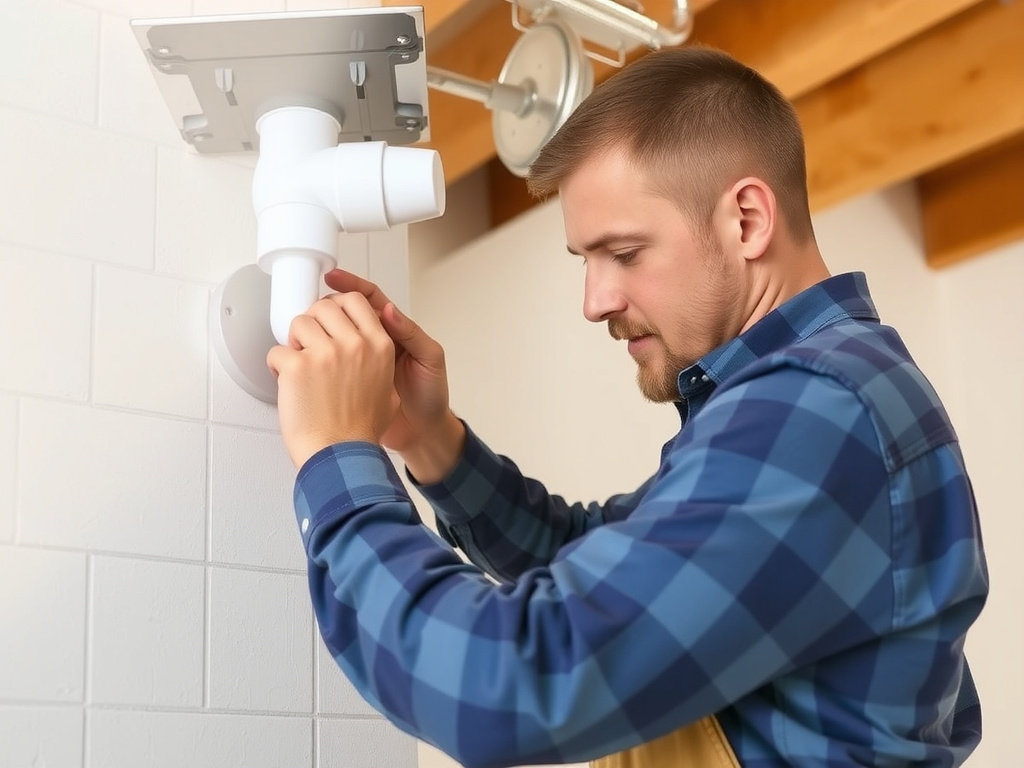
Hair the colour of weak tea had wrapped itself round the cross-holes of a chrome waste like nylon thread on a spool. I was balancing on the edge of a cast-iron bath in a 1930s Fulham flat, screwdriver between my teeth, when the tenant—an opera singer who rehearsed in the shower—asked if “a few strands” could really throttle a drain. I flicked on my head-torch and showed her the mat she’d knitted: eight grams, enough to gum up the works for a fortnight and cost her £120 in emergency call-outs. That wad is sitting in a zip-lock bag in my van right now; I keep it as a tiny, soggy trophy to show clients why prevention beats reaction every single time.
I’ve been pulling hair, scale and the occasional plastic dinosaur out of shower wastes for twelve years, clocking north of 1,400 bathroom jobs since I qualified with a Level 3 NVQ in plumbing and heating. My van stock ranges from 50 mm McAlpine traps to £2.89 silicone strainers I buy in packs of twenty at Screwfix, and I can tell which household owns a husky just by the density of fur in the grate. Last spring I fitted a complete low-profile tray in a Deptford loft; six months later the client rang to say the new trap was “slow again.” One look at the revolving carpet of her girlfriend’s curls told me the tray wasn’t at fault—habits were.
This guide focuses on installation techniques that reduce clogs. For comprehensive installation procedures, see our complete shower drain installation guide.
Quick Steps:
1. Fit a £4 mesh strainer before the first shower, not after the second flood.
2. Brush hair before washing; it removes 80 % of the shed that would otherwise head south.
3. Once a month, dump a handful of baking soda into the waste, follow with 200 ml white vinegar, flush five minutes later with kettle-hot (not boiling) water.
4. Remove the grate quarterly, rinse the cross-bar and screw the cup back down hand-tight—pliers chew chrome.
How Clogs Really Form (It’s Never Just Hair)
Hair gets the blame, but the true villain is the scabby lasagne that forms when hair, skin oil and soap residue bond. Modern bars—especially the shea-butter “artisan” blocks selling for £6.50 in zero-waste shops—contain more unsaponified fat than the old Fairy cakes mum used. That fat congeals at 18 °C, long before it reaches the soil stack. Add a trace of limescale from London’s 280 ppm hard water and you’ve got mortar setting in your 40 mm pipe.
I once dismantled a trap in Southwark that could have grouted a patio. The tenant, a cyclist, washed his hair with cocoa-butter shampoo and rinsed his chamois cream in the same shower. Net result: a beige puck the exact diameter of the waste outlet, as if cast in silicone. A standard plunger just kissed it.
Strainers That Actually Work (And the Ones That Don’t)
Cheap suction-cup strainers lift the moment a heel nudges them; the £1.99 pastel ones from Home Bargains are worse than useless because they give the illusion of protection. I fit the OX Good Grips stainless strainer (B&Q, £7.98, SKU 539505) when clients want a low profile. The 2 mm holes stop bobby pins yet drain fast enough for a power shower rated at 12 l/min.
For baths with pop-up wastes I screw in a HairyFairy HF1 (£11.40 on Amazon). It’s a tiny silicone column that sits inside the existing plug and snags strands lower down, where you can’t see them. You pull the whole thing out like a magic sword every fortnight, peel the hair off in one satisfying ribbon, then chuck it in the bin—no bleach, no gloves, no gag reflex.
Some pros swear by TubShroom clones; I find the narrow throat slows flow once a family of four queues for the bathroom. My rule: if the shower head pumps more than 10 l/min, use a flat strainer, not a mushroom.
The Once-a-Month 5-Minute Service
People think caustic soda is the big gun. It’s not. Sodium hydroxide turns hair into brown sludge but also crazes ABS plastic traps; I’ve replaced three McAlpine S50W units that cracked after nightly doses. Instead, keep a 500 g pot of baking soda (Asda, 85 p) and a spray bottle of vinegar under the basin.
1. Remove the grate.
2. Chuck two heaped tablespoons of soda straight into the throat.
3. Spray vinegar until it foams like a Year-7 volcano.
4. Wait five—time to descale the tile splashback.
5. Flush with two kettle-loads of hot water, pausing between pours so heat transfers to the pipe wall.
I give this recipe to every tenant I meet; those who stick to it haven’t rung me back. The ones who “forget” finance my Christmas fund.
Power Showers, Hair Shedding and the Husky Problem
A gravity-fed head at 0.2 bar deposits hair gently. A 14 kW pumped unit blasting 16 l/min drives the same hair through the strainer holes like a speedway bike through a hedge. If your household sports long-haired humans and double-coated dogs, fit a Salamander pump but drop the flow to 10 l/min with the built-in governor. You’ll still get spa pressure, but the fur stays where you can see it.
I fitted a £2.50 plastic hair-catching mitt over the handheld hose for a client in Walthamstow; she swears it traps 90 % of her malamute’s winter blow-out. The mitt lives on the towel rail and goes in the laundry weekly—no plumbing, no chemicals, no drama.
Hidden Spots Where Gunk Hides
Waterless traps—those sleek 50 mm shallow seals in stone trays—look great until you realise the removable cup sits 80 mm away from the waste mouth. Anything that makes it past the grille spins in the cavity like socks in a tumble dryer. I carry a 250 mm bottle brush just for that gap; pull the cup, twist the brush, and you’ll excavate a grey dreadlock you can measure in feet.
Another black site is the rubber flange inside the hose that connects a handset to the wall elbow. Unscrew it once a year; I’ve found wedding rings, guitar picks and a Lego wizard’s staff in there. If the handset spits sideways, the partial blockage is upstream every time.
Tools I Keep in the Van (With Prices)
- 150 mm snap-off knife: £2.29, Screwfix. Slices silicone and hair rats.
- 250 mm bottle brush: £3.50, Toolstation. Fits McAlpine shallow traps.
- 6-in-1 screwdriver: £7.99, Wera. Opens 90 % of grates without chewing the screw.
- 19 mm box spanner: £4.80, Silverline. Removes locking nuts on tray wastes.
- 5 m hand auger: £18.00, Rothenberger. For when the clog is a metre down the line and you don’t want to lift the tray.
I lend the auger to DIY-friendly clients; the deposit is a packet of chocolate digestives. Return rate: 100 %.
When to Call a Pro (And When Not To)
If water backs up into the adjacent bath or basin, the blockage is downstream of the branch, not the shower. That’s rodding territory—prices start at £95 for the first hour inside the M25. A single fixture that drains slowly but does drain is almost always a local trap issue; tackle it yourself before you pay someone else to unscrew four screws.
Warning: Pouring boiling water straight from the kettle onto acrylic trays warps the plastic and voids the warranty—keep it below 70 °C or use water from a height so it cools on the way down.
Best Products for Preventing Clogs (2025 Prices Checked)
1. OXO Good Grips Silicone Drain Protector – £7.98, B&Q. Fits 90 mm pop-up wastes.
2. HairyFairy HF1 – £11.40, Amazon. Internal silicone post; invisible when plug is closed.
3. McAlpine S50W 50 mm Waterless Trap – £14.65, Plumbase. Easy-clean cup, 20 year guarantee.
4. Ecozone Drain Sticks – £6.99 for 12, Waitrose. Enzyme sticks digest organic gunk; safe for septic tanks.
5. Miele Universal Handheld Pet Brush – £22, John Lewis. Not a drain tool, but brushing the hound before the bath halves fur in the pipe.
I make no commission on any of them; I just hate emergency call-outs on Sunday mornings.

FAQ
How often should I clean the strainer?
Every three showers is the sweet spot for long hair; weekly for short. Tip it into the bin, not the toilet—flushed hair snakes around the pan bend and lives to fight another day.
Will shaving in the shower clog the drain?
Stubble alone rarely blocks, but mixed with shaving foam it forms a gritty paste. Run the hot tap thirty seconds longer to melt the foam’s glycerine and flick the strainer clean afterwards.
Are enzyme drain cleaners safe for septic tanks?
Yes, certified brands like Ecozone and Biokleen contain bacteria that digest organics without harming the tank culture. Avoid caustic soda if you’re off-mains; it nukes the biology.
Can I use a wet vac to suck out a hair clog?
Absolutely—set the vac to ‘wet’, cover the overflow with a damp cloth to focus suction, and create a tight seal over the waste with the rubber adapter. I’ve pulled out 12 g rats in one gulp; wear gloves—the smell is unforgettable.
Why does the drain smell between uses?
Biofilm on the trap walls releases hydrogen sulphide. Pour 100 ml cheap mouthwash (alcohol-based) down the waste before bed; the alcohol sterilises the film and leaves a mint ghost by morning.
Is a water-softener worth it for clogs?
Soft water reduces scale, so hair tangles slide rather than stick. A £450 twin-tank unit (Twintec S3) will pay for itself in fewer call-outs and longer appliance life if your hardness exceeds 300 ppm.
Conclusion
Stop treating your shower like a black hole. Fit a decent strainer the day you move in, brush hair before you wash, and give the drain a 5-minute vinegar spa once a month. Do that and the only thing going down the pipe will be water—and maybe the last chorus of your favourite shower anthem. If the water ever wins the race against the clock, you’ll know exactly which screw to undo, and my phone can stay mercifully silent.