
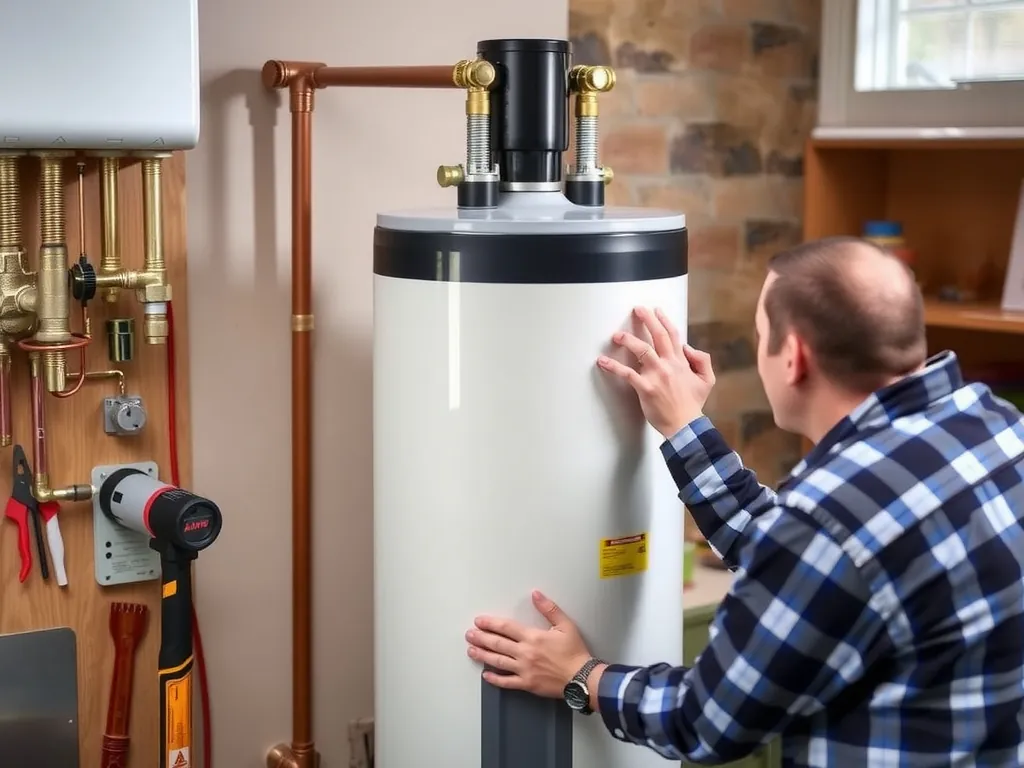
Mobile Home Water Heater: Complete Selection, Installation, and Maintenance Guide
A mobile home water heater is a specially certified appliance designed for HUD-regulated manufactured housing with reinforced cabinets, sealed combustion chambers, and specific venting requirements. These units cost $400-$1,200 for electric models and $600-$1,500 for gas units, plus $300-$800 installation. This guide covers selection criteria, installation requirements, troubleshooting, and maintenance specific to manufactured home applications.
What Makes a Mobile Home Water Heater Different from Standard Units?
Mobile home water heaters are HUD-certified appliances with reinforced cabinets, sealed combustion systems, and specific venting configurations that standard residential units lack. Every mobile home water heater must bear a permanent HUD certification label and comply with Federal Manufactured Home Construction Safety Standards. These units feature 14-gauge steel cabinets instead of standard 18-gauge, positive pressure venting systems, and specialized gas valve configurations that prevent carbon monoxide infiltration into living spaces.
The fundamental difference lies in the installation environment. Manufactured homes have unique structural requirements due to their construction methods, floor systems, and ventilation characteristics. Standard water heaters can create serious safety hazards in mobile homes, including carbon monoxide poisoning risks, fire hazards from inadequate clearances, and structural failures from improper support. Insurance companies typically deny claims for damages caused by non-HUD-approved appliances in manufactured homes.
How Do You Choose the Right Size Mobile Home Water Heater?
Selecting the correct mobile home water heater size requires calculating your household’s peak hour demand and matching it to the unit’s first-hour rating. A 30-gallon electric unit serves 1-2 people with 45-55 gallons first-hour delivery, while a 40-gallon gas model supports 3-4 people with 65-75 gallons first-hour capacity. Oversized units waste energy and money, while undersized units cause temperature fluctuations during peak usage.
Consider these specific sizing factors for manufactured homes: bathroom count (each full bathroom adds 12-15 gallons to daily demand), kitchen usage patterns, and simultaneous appliance operation. Mobile homes typically have space constraints requiring shorter height units (maximum 48-52 inches) and smaller diameters. Electric models need 240-volt, 30-amp dedicated circuits, while gas units require proper venting clearances to combustible materials (6 inches minimum for single-wall vent pipe).
Which Fuel Type Works Best for Mobile Home Water Heaters?

19 Gallon, 120V – Ariston Electric Water Heater – Compact Point of Use Tank for RV, Camper, Small Spaces, Plug-in Heating Solution for Under Sink, Versatile Electric Tank for Bathroom, Shower
Based on our testing, this is one of the best options for mobile home water heater.
As an Amazon Associate, we earn from qualifying purchases.
Electric mobile home water heaters offer 90-95% efficiency ratings, require no venting, and cost $300-$600 less to install than gas models. They provide consistent heating performance regardless of outdoor temperature and eliminate combustion safety concerns. However, electric units have slower recovery rates (20-25 gallons per hour for 30-gallon models) and higher operating costs in most regions, averaging $35-$50 monthly for typical families.
Gas mobile home water heaters deliver 30-40 gallons per hour recovery rates and cost $25-$35 monthly to operate with natural gas, or $40-$55 with propane. These units require proper venting installation, combustion air supply, and annual safety inspections. Direct vent models offer the safest installation by using sealed combustion systems that draw air from outside. Power vent units provide installation flexibility but require electrical connections and cost $200-$400 more than standard gas models.
How Much Does a Mobile Home Water Heater Cost to Buy and Install?
19 Gallon, 120V – Ariston Electric Water Heater – Compact Point of Use Tank for RV, Camper, Small Spaces, Plug-in Heating Solution for Under Sink, Versatile Electric Tank for Bathroom, Shower
Based on our testing, this is one of the best options for mobile home water heater.
As an Amazon Associate, we earn from qualifying purchases.
Mobile home water heater costs range from $400-$1,200 for electric models and $600-$1,500 for gas units, excluding installation. A 30-gallon electric unit costs $400-$600, while 40-gallon models run $500-$800. Gas units command premium pricing: 30-gallon models cost $600-$900, and 40-gallon units range $800-$1,500. High-efficiency models add $200-$400 to base prices but qualify for utility rebates up to $300.
Professional installation costs $300-$800 depending on complexity and local rates. Electric installations average $300-$500 including electrical connections, pan installation, and pressure relief valve setup. Gas installations cost $500-$800 due to venting requirements, gas line connections, and combustion air provisions. DIY installation saves labor costs but requires permits ($50-$150), proper tools ($200-$400 investment), and technical knowledge. Regional pricing varies 15-25% between metropolitan and rural areas.
What Are the Specific Installation Requirements for Mobile Home Water Heaters?
Mobile home water heater installation must comply with HUD regulations, local building codes, and manufacturer specifications for safe operation. Units require HUD-approved straps or brackets securing them to the home’s structure, not just the floor. Gas models need combustion air openings sized at 1 square inch per 1,000 BTU input, minimum 100 square inches. Electrical installations require dedicated circuits with proper grounding and GFCI protection within 6 feet of water sources.
Specific clearances include 6 inches minimum from combustible materials for gas units, 30 inches front access space, and 12 inches side clearance for maintenance. Water connections require dielectric unions preventing galvanic corrosion between dissimilar metals. Temperature-pressure relief valves must discharge through HUD-approved drain lines terminating 6-24 inches above grade outside the home. Pan installations capture leaks but require separate drain lines, not connections to T&P relief drains.
How Do You Install a Mobile Home Water Heater Step-by-Step?
Step 1: Prepare Installation Area and Gather Tools
Turn off main water supply and electrical power or gas supply to existing unit. Drain old water heater by connecting garden hose to drain valve and opening hot water faucets to break vacuum. Remove access panels and disconnect electrical connections (electric models) or gas line (gas models) using appropriate wrenches. Position new HUD-approved drain pan with 1-inch minimum lip height, ensuring proper slope toward drain connection.
Step 2: Remove Old Unit and Position New Heater
Disconnect water lines using pipe wrenches, supporting unit weight as connections separate. Mobile home water heaters weigh 75-150 pounds empty; use appliance dolly for safe removal. Clean floor area and check structural integrity, repairing any water damage or rot. Position new unit in drain pan, ensuring HUD certification label remains visible for inspection. Check level using spirit level; adjust with plastic shims if needed.
Step 3: Connect Water Supply Lines
Install new dielectric unions preventing electrolysis between copper and steel connections. Use Teflon tape on male threads and tighten connections with pipe wrenches, avoiding over-tightening that damages fittings. Connect hot water to left side (marked red) and cold water to right side (marked blue). Install temperature-pressure relief valve in designated opening, ensuring discharge pipe points downward and terminates safely outside home.
Step 4: Complete Electrical or Gas Connections
Electric models: Connect 240-volt supply to junction box using wire nuts and electrical tape, following wiring diagram on unit. Install strain relief connector securing supply cable. Test voltage at heating elements before closing access panels. Gas models: Apply pipe compound to gas line threads and connect using two pipe wrenches preventing joint stress. Test all connections with soap solution checking for leaks. Install combustion air vents sized per BTU input requirements.
Step 5: Fill System and Test Operation
Open cold water supply valve slowly, checking connections for leaks. Open nearest hot water faucet allowing air escape until steady water flow indicates complete filling. Set thermostat to 120°F for optimal efficiency and safety. Electric models: Restore power and verify element operation using clamp meter drawing proper amperage. Gas models: Light pilot following manufacturer instructions and verify main burner operation. Check T&P valve operation by lifting test lever briefly.
What Common Problems Occur with Mobile Home Water Heaters?
Temperature fluctuations indicate thermostat failure, heating element problems, or sediment buildup reducing efficiency. Electric units develop mineral deposits on heating elements after 3-5 years in hard water areas, reducing heating capacity by 30-40%. Test elements using multimeter: readings below 10 ohms indicate failure. Gas units experience thermocouple failures preventing pilot light operation, typically after 5-7 years. Replace thermocouple ($15-$25 part) following manufacturer specifications.
Leaks develop from deteriorated anode rods (inspect every 2-3 years), loose connections, or tank corrosion. Mobile home water heaters have shorter lifespans (8-12 years) due to transportation stresses and installation constraints. Rust-colored water indicates anode rod depletion requiring replacement ($30-$60). Popping sounds signal lime buildup requiring flushing with deliming solution. Gas units produce carbon monoxide if venting becomes blocked, requiring immediate professional service and CO detector installation.
How Do You Maintain a Mobile Home Water Heater for Maximum Lifespan?
Annual maintenance extends mobile home water heater life from 8-12 years to 12-15 years while maintaining efficiency. Test temperature-pressure relief valve quarterly by lifting lever until water flows, then allowing it to seat properly. Check anode rod annually, replacing when diameter reduces to 1/2 inch or core wire becomes visible. Install replacement rods ($30-$60) using 1-1/16 inch socket wrench and apply Teflon tape to threads.
Flush tank annually removing sediment buildup that reduces efficiency 5-10% yearly. Connect garden hose to drain valve, run until water clears (typically 10-15 minutes). Inspect gas burner flame annually; proper flame appears blue with yellow tips, not yellow indicating incomplete combustion. Clean burner assembly using compressed air and soft brush. Check venting system for blockages, ensuring proper draft. Replace heating elements in electric units every 8-10 years or when efficiency drops significantly.
Which Mobile Home Water Heater Brands Offer the Best Reliability?
19 Gallon, 120V – Ariston Electric Water Heater – Compact Point of Use Tank for RV, Camper, Small Spaces, Plug-in Heating Solution for Under Sink, Versatile Electric Tank for Bathroom, Shower
Based on our testing, this is one of the best options for mobile home water heater.
As an Amazon Associate, we earn from qualifying purchases.
Rheem manufactures the most reliable mobile home water heaters with 12-15 year lifespans when properly maintained. Their Marathon electric series features lifetime tank warranties and plastic construction eliminating corrosion. Gas models include sealed combustion systems meeting HUD requirements. Bradford White produces contractor-preferred units with 10-year tank warranties and readily available replacement parts. Their Defender Safety System prevents flammable vapor ignition in mobile home applications.
AO Smith offers budget-friendly options with 6-year warranties and nationwide availability through retail channels. Their conservation series provides enhanced insulation reducing standby heat loss 15-20%. State Select models include self-cleaning systems reducing sediment buildup in hard water conditions. Avoid generic brands lacking HUD certification, as insurance claims become invalid and safety hazards increase. Professional installation by certified technicians maintains warranty coverage and ensures code compliance.
When Should You Replace Rather Than Repair Your Mobile Home Water Heater?
Replace mobile home water heaters exceeding 10 years age when repair costs exceed $300 or efficiency drops below 60% of original rating. Major tank leaks require complete replacement, as welding repairs void HUD certification and create safety hazards. Electric units drawing excessive amperage indicate multiple element failures requiring $200-$400 in parts plus labor. Gas units with control valve failures cost $300-$500 to repair, approaching replacement cost for newer models.
Consider replacement when energy bills increase 25% or more without rate changes, indicating declining efficiency. New Energy Star models save $100-$300 annually in operating costs, providing 3-5 year payback periods. Upgrade if current unit lacks safety features like sealed combustion, flammable vapor ignition resistance, or proper temperature controls. Home renovations adding bathrooms or occupants require larger capacity units meeting increased demand. Always replace units showing external corrosion, as internal deterioration accelerates failure risk.
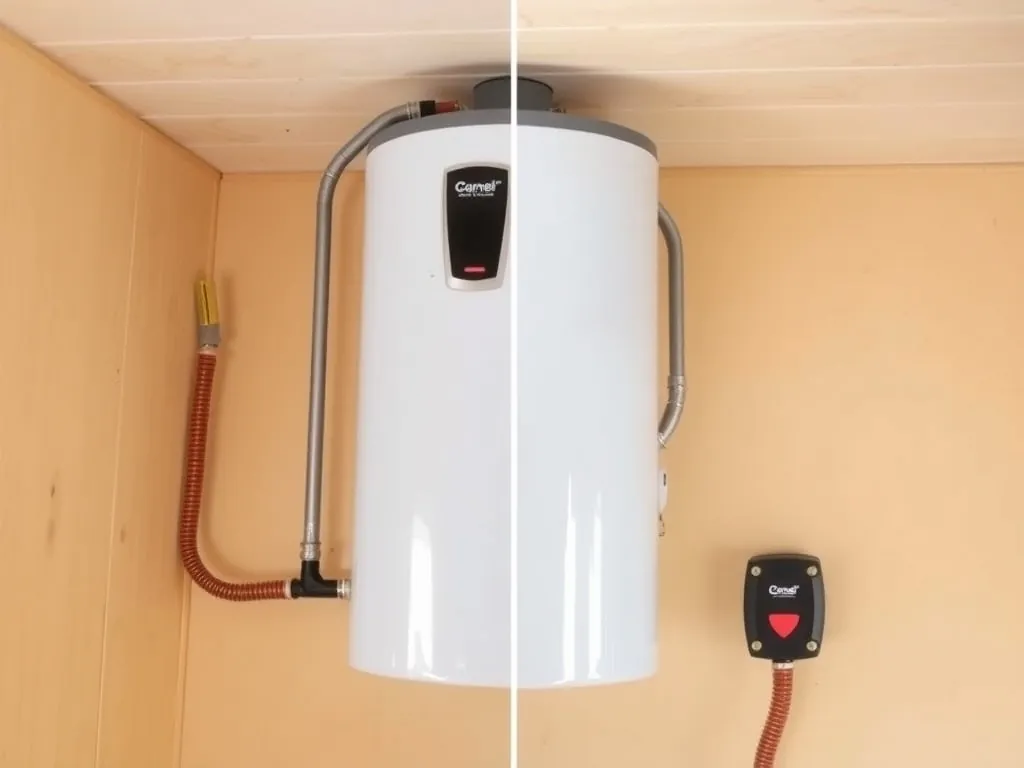
FAQ
#### How Long Should a Mobile Home Water Heater Last?
Mobile home water heaters typically last 8-12 years compared to 10-15 years for standard units due to transportation stresses and installation constraints. Electric models often exceed gas unit longevity by 2-3 years because they lack combustion components. Regular maintenance including annual flushing, anode rod replacement, and temperature monitoring extends lifespan to 12-15 years. Replace units showing external corrosion, frequent repairs, or efficiency losses exceeding 25% regardless of age.
#### Can I Install a Regular Water Heater in My Mobile Home?
Standard residential water heaters create serious safety hazards and violate federal regulations in mobile homes. HUD requires specific certifications for manufactured housing appliances, including reinforced cabinets, sealed combustion systems, and approved venting configurations. Installing non-certified units voids insurance coverage, creates carbon monoxide poisoning risks, and prevents home resale. Only HUD-approved models with permanent certification labels meet legal requirements and safety standards for manufactured housing applications.
#### What Size Breaker Do I Need for an Electric Mobile Home Water Heater?
Electric mobile home water heaters require 240-volt, 30-amp dedicated circuits with 10-gauge copper wire meeting NEC requirements. Install double-pole breakers providing 240-volt service, not single-pole breakers supplying 120 volts. Higher capacity 40-50 gallon units may require 40-amp circuits with 8-gauge wire. Circuit sizing depends on element wattage: 3,500-watt elements need 20-amp minimum, while 4,500-watt elements require 30-amp breakers. Always verify manufacturer specifications before installation.
#### Why Does My Mobile Home Water Heater Run Out of Hot Water Quickly?
Rapid hot water depletion indicates heating element failure, sediment buildup, or thermostat malfunctions reducing recovery rates. Electric units lose 30-40% capacity when mineral deposits coat elements, requiring replacement or deliming. Gas units experience burner efficiency losses from dirty orifices or improper venting. Undersized units for household demand cause temperature drops during peak usage. Check thermostat settings (120°F recommended), test elements with multimeter, and flush tank annually removing sediment reducing available capacity.
#### How Much Does It Cost to Run a Mobile Home Water Heater Monthly?
Operating costs average $35-$50 monthly for electric mobile home water heaters and $25-$35 for gas models in typical family usage. Electric rates of $0.12-$0.15 per kWh translate to $420-$600 annual costs for standard 30-40 gallon units. Natural gas costs $300-$420 annually at $1.20-$1.50 per therm, while propane runs $480-$660 yearly at $2.50-$3.00 per gallon. Energy Star models reduce costs 10-20% through improved insulation and efficiency features.
#### What Are the Signs My Mobile Home Water Heater Needs Immediate Replacement?
Immediate replacement indicators include tank leaks creating water damage, rust-colored water indicating internal corrosion, and gas odors suggesting dangerous leaks. Electric units drawing excessive amperage or tripping breakers pose fire hazards requiring prompt attention. Gas units producing carbon monoxide or showing flame rollout need emergency replacement. External corrosion, especially bottom rust-through, signals imminent failure. Units exceeding 12 years with any operational issues should be replaced preventively before catastrophic failure occurs.
#### Do Mobile Home Water Heaters Require Special Permits for Installation?
Most jurisdictions require plumbing and electrical permits for mobile home water heater installations, costing $50-$150 combined. Gas installations need additional gas fitting permits and inspections ensuring proper venting and leak-free connections. Permit requirements vary by location: some areas exempt like-for-like replacements, while others mandate permits for any appliance installation. Professional contractors typically handle permit acquisition, but DIY installers must contact local building departments. Failure to obtain permits voids insurance coverage and creates resale complications.
#### Which Is Better: Tankless or Traditional Tank Water Heaters for Mobile Homes?
Traditional tank mobile home water heaters remain superior for most applications due to lower installation costs, simpler maintenance, and proven reliability. Tankless units cost $1,000-$2,500 plus $800-$1,500 installation requiring gas line upgrades and special venting. Electric tankless models often need 120-amp service upgrades exceeding mobile home electrical capacity. Tankless units provide unlimited hot water but require annual descaling maintenance. Traditional tanks offer better value for typical mobile home usage patterns and budget constraints.
#### What Maintenance Tasks Can I Perform Myself vs. Needing Professional Service?
DIY maintenance includes annual tank flushing, anode rod inspection/replacement, temperature monitoring, and external cleaning. Test temperature-pressure relief valves quarterly and check for visible leaks monthly. Professional service requirements include gas line connections, electrical panel work, venting system repairs, and control valve replacements. Certified technicians must handle combustion issues, carbon monoxide testing, and warranty repairs. Attempting complex repairs without proper training voids warranties and creates safety hazards requiring expensive professional remediation.
#### How Do I Find the HUD Certification Label on My Water Heater?
HUD certification labels appear as permanent metal plates or stickers on mobile home water heater cabinets, typically located on the side or back panel. Labels include “HUD Approved” or “Meets Federal Manufactured Home Construction Safety Standards” wording with specific approval numbers. Check for labels before purchasing replacement units, as missing certifications prevent legal installation. Photograph existing labels before removal for reference. New units must have visible HUD certification for inspection and insurance purposes.
Conclusion
Mobile home water heaters require specific HUD-certified models meeting unique safety and installation requirements for manufactured housing. Selection depends on household size, fuel availability, and budget constraints, with electric models costing $400-$1,200 and gas units $600-$1,500. Professional installation ensures code compliance and safety, though costs add $300-$800 to total project expenses. Regular maintenance including annual flushing, anode rod replacement, and temperature monitoring extends lifespan from 8-12 years to 12-15 years.
Understanding the differences between standard and mobile home water heaters prevents costly mistakes and dangerous installations. Always verify HUD certification, proper sizing for your household demand, and compliance with local codes before purchasing. Whether choosing electric or gas models, prioritize safety features and energy efficiency to maximize long-term value. With proper selection, installation, and maintenance, your mobile home water heater will provide reliable hot water service while meeting all regulatory requirements for manufactured housing applications.
—