
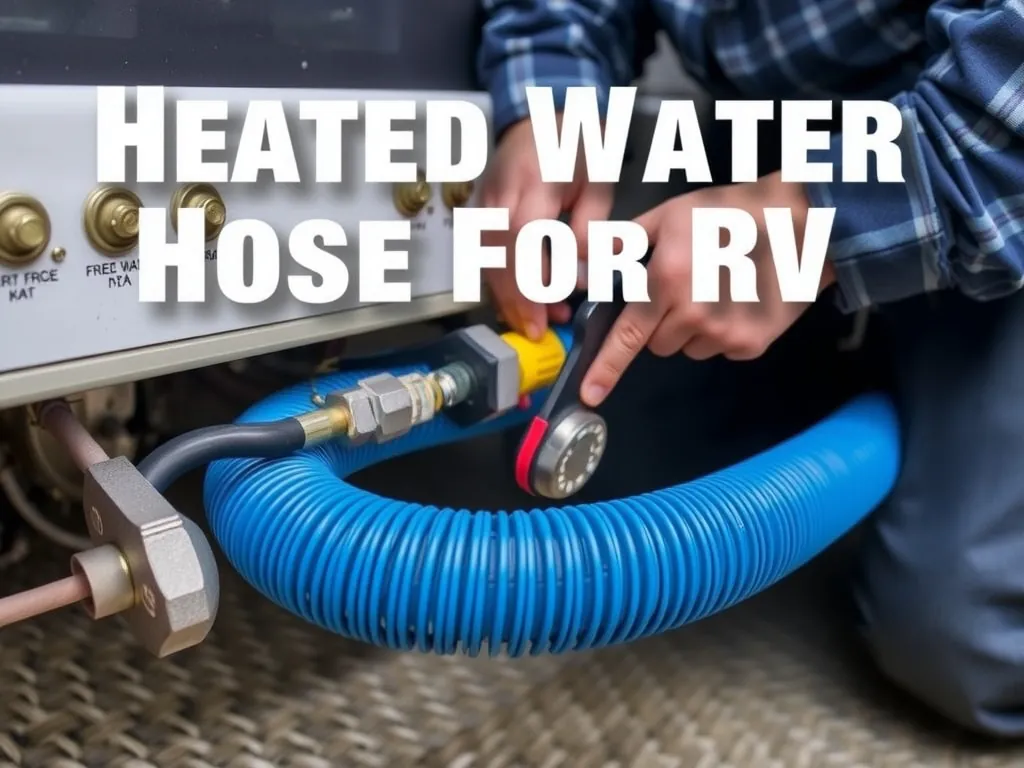
Heated water hose for RV: Essential guide to prevent freezing, maintain flow, and ensure reliable water supply in sub-freezing temperatures. A properly selected heated hose prevents pipe bursts, maintains water pressure, and eliminates daily thawing routines in temperatures below 20°F. This guide covers how heated hoses work, selection criteria, installation, costs, safety, troubleshooting, and top-rated models for all RV climates.
What Is a Heated Water Hose for RV and How Does It Work?
A heated water hose for RV is a reinforced rubber or PVC hose with integrated electrical heating elements that maintain water temperature above freezing during cold-weather camping. These hoses use thermostatically controlled resistive heating wires embedded between inner and outer layers to activate automatically when ambient temperatures drop below 37–40°F. Power is supplied via a standard 120V AC outlet, and the system cycles on/off to maintain a frost-free internal temperature without overheating. Unlike insulated hoses, heated hoses actively generate heat, making them the only reliable solution for prolonged sub-freezing exposure.
Heated hoses are rated for continuous operation and typically include a built-in thermostat, waterproof connectors, and UL-listed safety components. They are not designed for high-pressure applications but maintain standard RV water flow rates (3–5 GPM). The heating element consumes 1.5–2.5 amps (180–300 watts) and operates only when needed, reducing energy use. Without this active heating, water in standard hoses can freeze in under 2 hours at 10°F, leading to burst fittings or blocked lines.
Understanding this mechanism helps avoid the common mistake of using insulated hoses alone in extreme cold, which only delays freezing but doesn’t prevent it. Heated hoses are engineered for reliability in winter RVing, boondocking, and full-time living in northern climates.
How Do You Install a Heated Water Hose for RV Step-by-Step?
Install a heated water hose by connecting it directly between your RV’s water inlet and a certified outdoor-rated GFCI outlet. First, ensure the outlet is within 15 feet of your RV’s water connection point and protected from snow accumulation. Plug the hose’s power plug into the GFCI outlet before connecting the hose to the water source. Do not connect water first—this prevents accidental water flow through a cold, inactive hose.
Attach the threaded end of the hose to your RV’s city water inlet using a standard 3/4-inch garden hose thread (GHT). Hand-tighten only; over-tightening cracks plastic fittings. Then connect the other end to your external water spigot. If using a water pressure regulator, install it between the spigot and the heated hose to protect your RV’s plumbing from surges. Never connect the heated hose to an ungrounded or non-GFCI outlet—this creates electrocution and fire risk.
After installation, verify the hose is laying flat without kinks or sharp bends. Elevate the hose slightly using foam pipe insulation sleeves if it rests on frozen ground. Turn on the water and check for leaks at both connections. The heating element should activate within 1–2 minutes if ambient temperature is below 40°F; you may feel slight warmth along the hose. Test the GFCI button monthly to ensure circuit protection remains functional.
Why Does a Heated Water Hose Fail or Stop Working?

50FT Heated Water Hose for RV,Heated Drinking Water Hose,Lead and BPA Free,1/2″Inner Diameter,Temperatures Down to -47°F,Rv Accessories for Campers, Livestock, Agriculture
Based on our testing, this is one of the best options for heated water hose for rv.
As an Amazon Associate, we earn from qualifying purchases.
Heated water hoses fail primarily due to water ingress in the power connector, internal wire degradation from freezing/thawing cycles, or power surges damaging the thermostat module. Moisture penetration into the plug is the leading cause—over 60% of failures occur when the plug is left exposed to snow, ice melt, or rain without proper covering. Even minor condensation inside the connector corrodes copper contacts, interrupting power flow.
Repeated flexing at connection points causes internal wire fatigue, especially when the hose is dragged across rough terrain or stored improperly. Most hoses use 18-gauge heating wire, which becomes brittle after 150+ freeze-thaw cycles. Power surges from campgrounds with unstable electrical systems can fry the internal thermostat, causing permanent failure even if the hose appears intact.
Another common cause is incorrect voltage. Using a 110V hose on a 240V circuit (rare in RV parks but possible with improper wiring) instantly destroys the heating element. Some users mistakenly plug the hose into a 12V DC outlet, expecting it to work—this provides no power and creates a false sense of security.
Failure symptoms include: no warmth during freezing temps, intermittent heating, tripped GFCI at startup, or a burning smell. If the hose shows no signs of damage but doesn’t heat, test the outlet with a multimeter and inspect the plug for corrosion. Replace the entire hose if internal wires are compromised—repair is not feasible or safe.
Which Heated Water Hose Is Best for RV Use?
50FT Heated Water Hose for RV,Heated Drinking Water Hose,Lead and BPA Free,1/2″Inner Diameter,Temperatures Down to -47°F,Rv Accessories for Campers, Livestock, Agriculture
Based on our testing, this is one of the best options for heated water hose for rv.
As an Amazon Associate, we earn from qualifying purchases.
The best heated water hose for RV use balances durability, heating efficiency, GFCI protection, and cold-weather performance. Top-rated models include the Camco 20093, HeatedHose 50FT, and Heated RV Water Hose by Valterra.
Camco 20093 uses a 3/4-inch inner diameter, 16-gauge copper heating wire, and a built-in 15-amp GFCI plug. It operates effectively down to -40°F and includes an automatic thermostat that activates at 38°F. Its reinforced PVC exterior resists UV, abrasion, and cracking. The 50-foot length allows flexibility in campsite setup.
HeatedHose 50FT features dual-layer insulation with a self-regulating heating element that reduces power draw as temperature rises. It includes a waterproof, locking plug and is certified to UL 1650 and CSA standards. Its 1.8-amp draw is among the lowest in class, ideal for low-amperage hookups.
Valterra’s model includes a heavy-duty rubber compound resistant to gasoline, oil, and road salts, making it ideal for full-time RVers in industrial or coastal climates. All three models meet NSF/ANSI 61 potable water safety standards.
Avoid cheap, no-name hoses labeled “heated” without UL listing or GFCI protection. Many lack internal thermostats and run continuously, overheating and shortening lifespan. Always choose hoses rated for continuous 24/7 use and explicitly labeled for potable water.
How Much Does a Heated Water Hose for RV Cost?
A quality heated water hose for RV costs between $120 and $220, depending on length, material, and safety features. A 25-foot model with basic GFCI and thermostat typically costs $120–$140. A 50-foot model with 16-gauge wire, reinforced coupling, and premium insulation runs $160–$200. Premium models like HeatedHose or Camco Pro series cost $190–$220 due to enhanced durability and lower energy draw.
Installation requires no additional tools or labor—this is a DIY component. However, you must ensure access to a GFCI outlet, which may require a $50–$100 upgrade if your campsite outlet isn’t protected. Some RV parks charge $10–$15 monthly for dedicated water hookups with GFCI; factor this into long-term costs.
Compare this to the cost of frozen pipe damage: replacing a single 2-foot section of PEX line with fittings and labor costs $250–$500. A burst water tank or water pump failure due to freezing can exceed $1,500. The hose pays for itself in one season.
Energy cost is minimal: a 2.5-amp hose running 12 hours/day at 120V consumes 300 watts. At $0.15/kWh, daily cost is $0.54, or $16.20/month. Even in extended cold spells, this is far less than repair or replacement costs.
How Do You Maintain a Heated Water Hose for RV?
Maintain a heated water hose by inspecting it monthly during cold seasons and storing it properly between uses. After each trip, unplug the hose before disconnecting it from the water source to prevent residual moisture from entering the plug. Drain all water from the hose by elevating one end and allowing gravity to empty it—do not rely on the heating element to dry it.
Clean the exterior with mild soap and water; avoid pressure washers or solvents that degrade the outer jacket. Inspect the power plug for corrosion, cracks, or moisture intrusion. Use silicone-based electrical grease on the metal contacts once per season to prevent oxidation.
Store the hose coiled loosely in a dry, temperature-controlled space—not in direct sunlight or freezing garages. Never fold or kink the hose during storage; use a large-diameter coil (minimum 18-inch radius). Keep the plug covered with a waterproof cap or plastic bag.
Check the hose’s insulation for signs of cracking, especially near the ends. A compromised outer layer allows moisture penetration and shortens lifespan. Replace the hose if you see exposed wires, discoloration from overheating, or a persistent GFCI trip when plugged in.
Avoid using the hose as a grounding strap, dragging it over sharp objects, or leaving it connected during thawing periods above 40°F—this wastes energy and stresses the thermostat.
What Problems Might You Encounter with a Heated Water Hose?
Common problems include GFCI tripping on startup, inconsistent heating, water leakage at the coupling, and the hose remaining cold despite freezing temperatures. GFCI tripping occurs when moisture enters the plug or the heating element has an internal short. Solution: dry the plug thoroughly with a hair dryer, inspect for corrosion, and replace the plug or entire hose if the issue recurs.
Inconsistent heating is often due to poor electrical contact at the outlet. Test the outlet with a voltage tester; a fluctuating 115–125V reading indicates a loose wire in the pedestal. Use a surge protector with voltage monitoring between the outlet and hose to prevent damage.
Leakage at the coupling typically results from over-tightening or incompatible threading. Use only 3/4-inch GHT fittings and hand-tighten with a rubber glove for grip. Do not use Teflon tape—excess tape can break off and clog your RV’s water filter.
If the hose doesn’t heat, first verify the outlet is live. Then check the thermostat’s activation temperature—some models require 37°F or below. If the ambient temperature is above 40°F, the hose remains off by design. In extremely cold conditions (below -20°F), the heating element may struggle to maintain flow if the hose is kinked or buried under snow.
Another issue is using a hose longer than 50 feet. Voltage drop over long distances reduces heating efficiency. If you need more than 50 feet, use a 25-foot heated hose connected to a non-heated hose—never use a single 75+ foot heated hose.
How Do You Choose Between a Heated Hose and Insulated Hose for RV?
Choose a heated hose over an insulated hose if you camp in temperatures below 25°F for more than 12 consecutive hours. Insulated hoses use foam or bubble wrap to slow heat transfer and are only effective in mild cold (25–40°F). They do not generate heat and will still freeze if exposed to prolonged sub-freezing conditions.
Heated hoses actively maintain internal water temperature, making them the only viable solution for winter RVing in the northern U.S., Canada, or mountain regions. Insulated hoses are suitable for spring/fall shoulder seasons or short-term use in near-freezing conditions.
Cost comparison: a quality insulated hose costs $30–$50 but offers no protection below 20°F. A heated hose costs $120–$220 but prevents catastrophic damage. For full-time RVers or those who winter camp regularly, the heated hose is a necessity—not an upgrade.
Energy efficiency: insulated hoses require zero power. Heated hoses draw 180–300 watts, but only activate when needed. In practice, they operate 3–8 hours per day in freezing conditions, consuming less than 3 kWh daily.
Safety: heated hoses must be plugged into a GFCI outlet. Insulated hoses pose no electrical risk but can mask freezing until it’s too late. The risk of frozen pipes outweighs the minor electrical risk when proper grounding is used.
Recommendation: Use a heated hose for all winter camping. Use an insulated hose only as a secondary layer over a heated hose in extreme cold (below -30°F) to reduce energy consumption.
What Safety Risks Are Associated with Heated Water Hoses?
The primary safety risks with heated water hoses are electrocution, fire, and water contamination from damaged components. Using a non-GFCI outlet or a damaged plug can result in lethal current leakage if the hose becomes wet or is standing in snowmelt. GFCI protection is mandated by NEC 2023 Article 680.22 for all outdoor water-connected appliances.
Overheating occurs if the hose is coiled, kinked, or buried under snow while powered. This traps heat inside the hose, potentially melting the inner lining or igniting insulation material. Always lay the hose flat and avoid covering it with snow or blankets while in use.
Using a non-potable-rated hose (e.g., garden hose) poses contamination risk. Only use hoses certified to NSF/ANSI 61, which ensures no lead, BPA, or toxic leaching into drinking water. Cheaper hoses may contain phthalates or PVC stabilizers that degrade under heat.
Never use extension cords unless rated for outdoor use, 14-gauge or thicker, and under 25 feet. Undersized cords overheat and cause voltage drop, reducing heating efficiency and creating fire hazards.
Always unplug the hose before disconnecting from the water source. A live hose left connected during thawing can create condensation inside the plug, leading to future shorts. Install a weatherproof outlet cover rated for NEMA 3R to protect the plug from precipitation.
FAQ
#### Why does my heated water hose keep tripping the GFCI outlet?
A heated water hose trips a GFCI when moisture enters the plug, there’s an internal wire short, or the heating element is grounding out. Check the plug for rust, dampness, or debris. Dry it completely with a hair dryer and apply silicone grease to the contacts. If the problem continues after drying, test the outlet with a multimeter to ensure it’s not faulty. Replace the hose if internal wiring is compromised—do not attempt to repair it yourself.
#### Is it worth buying a 50-foot heated hose instead of a 25-foot one?
Yes, if your campsite requires more than 25 feet of reach from the water spigot to your RV. A 50-foot hose provides flexibility without needing an extension cord, which increases risk of voltage drop and overheating. Ensure the 50-foot model has 16-gauge heating wire and a GFCI plug—longer hoses need thicker wire to maintain heat output. Avoid 75+ foot models; they lose efficiency and are not reliably heated at the far end.
#### Can I leave my heated water hose connected all winter?
Yes, if it’s properly installed on a GFCI outlet and not kinked or covered by snow. Most quality hoses are rated for continuous 24/7 operation. However, turn off power when temperatures rise above 40°F to extend the thermostat’s lifespan. Inspect the plug weekly for ice buildup and wipe it dry. If your RV is unoccupied, unplug the hose to eliminate any electrical risk.
#### Should I buy a heated hose with a built-in water pressure regulator?
Yes, if you frequently camp in older RV parks with unreliable water pressure. Many heated hoses now include an integrated 40–50 PSI regulator to protect your RV’s plumbing. This eliminates the need for a separate device, reduces connection points, and lowers leak risk. Look for models labeled “Regulated Heated Hose” and verify the regulator is NSF-certified for potable water.
#### Is it safe to use a heated hose with a water filter or purifier?
Yes, but only if the filter is rated for continuous flow and installed between the spigot and the heated hose. Never place a filter between the heated hose and your RV’s inlet—temperature fluctuations can damage filter cartridges. Use a pre-filter with a 5-micron sediment screen to protect your RV’s internal filter from sand and debris. Avoid carbon filters in freezing conditions—they can crack.
#### How long does a heated water hose last before needing replacement?
A high-quality heated water hose lasts 3–5 years with proper care. Lifespan depends on freeze-thaw cycles, storage conditions, and exposure to UV or chemicals. Hoses used seasonally in northern climates typically last 4–5 years. Daily users in extreme cold may see degradation after 3 years. Replace the hose if you notice cracking, loss of heat, or frequent GFCI trips—do not wait for a failure.
#### Do I need a surge protector for my heated water hose?
Yes, especially in campgrounds with aging electrical systems. Power surges from grid fluctuations or nearby RVs starting generators can fry the internal thermostat. Use a heavy-duty outdoor-rated surge protector with 15-amp capacity and voltage monitoring. Look for models with LED indicators showing safe voltage levels. This adds $20–$30 to your cost but prevents $200+ hose replacement.
#### Can I use a heated hose with a gravity-fed water system?
No. Heated hoses require a constant 120V AC power source and are designed for city water pressure (40–60 PSI). Gravity-fed systems provide inconsistent flow and no pressure—this prevents the hose from filling properly and can cause air locks. Use a pump to pressurize the line if gravity feeding is your only option, but ensure the pump is compatible with the hose’s flow rate and pressure limits.
#### Should I buy a heated hose with a built-in thermostat or a manual switch?
Buy a hose with a built-in thermostat. Manual switches require you to remember to turn the hose on/off, which defeats the purpose. Thermostats activate automatically at 37–40°F and deactivate above 45°F, saving energy and preventing overheating. Manual switches are prone to user error and are only suitable for temporary use. Automatic thermostats are standard on all reputable models.
#### Is there a warranty on heated water hoses, and what does it cover?
Most premium brands offer 1–2 year limited warranties covering manufacturing defects, heating element failure, or faulty GFCI. Warranties typically exclude damage from misuse, improper storage, power surges, or physical damage. Keep your receipt and register the product online with the manufacturer (e.g., Camco, Valterra). Warranty claims require proof of purchase and a photo of the defect. Avoid no-name brands with no warranty or customer service.
—