
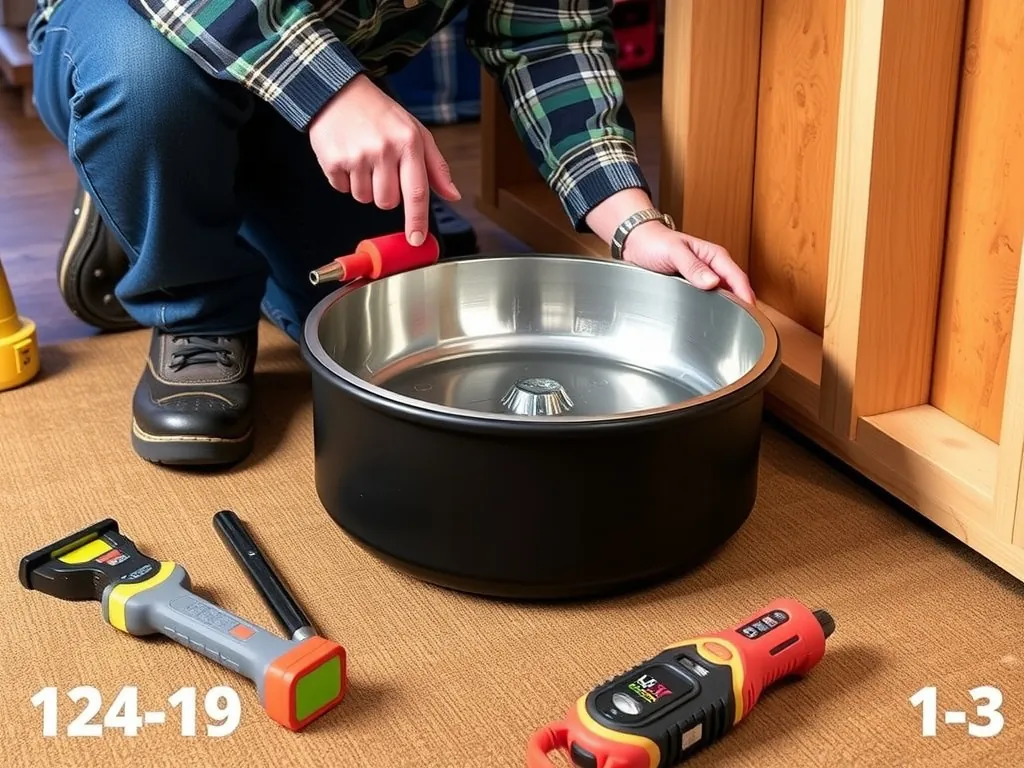
Farm Innovators 1.5-Gal Heated Pet Water Bowl for Dogs: Complete Technical Guide and Winter Care Solution
The Farm Innovators 1.5-gallon heated pet water bowl maintains water above freezing in temperatures down to -20°F using 60 watts of thermostatically controlled power. This thermoplastic bowl prevents winter dehydration for outdoor dogs while consuming less electricity than a standard light bulb. This guide covers operation, installation, maintenance, and troubleshooting for year-round reliability.
What Is the Farm Innovators 1.5-Gal Heated Pet Water Bowl and How Does It Work?
The Farm Innovators 1.5-gal heated pet water bowl is a thermostatically controlled watering system that prevents freezing in outdoor temperatures down to -20°F. The unit uses a 60-watt heating element embedded in the bowl’s base, activated by an internal thermostat when water temperature drops below 35°F. The heavy-duty thermoplastic construction resists impacts while the 6-foot grounded cord provides safe electrical connection through GFCI outlets.
The bowl operates automatically without user intervention. When ambient temperature drops, the thermostat closes the circuit and energizes the heating element. The element warms the bowl’s base, transferring heat through the thermoplastic to maintain liquid water. Once water temperature reaches approximately 45°F, the thermostat opens the circuit to prevent overheating and conserve energy.
How Do You Install the Farm Innovators Heated Water Bowl for Optimal Performance?
Installation requires positioning the bowl within 6 feet of a GFCI-protected outlet on a level, stable surface sheltered from wind. The unit must sit on a non-flammable base like concrete, brick, or pressure-treated wood, elevated 2-4 inches above ground to prevent snow accumulation. Route the cord through protected channels or conduit to prevent chewing damage from animals or lawn equipment.
Connect the bowl to a dedicated GFCI outlet rated for outdoor use with weatherproof cover. Test the GFCI monthly using the test/reset buttons. Position the bowl away from sprinkler systems and areas where ice may form from runoff. Secure the cord using outdoor-rated clips or staples, maintaining 6-inch clearance from metal fencing or other conductive materials that could cause electrical hazards.
What Are the Exact Power Requirements and Operating Costs?
The Farm Innovators heated bowl draws 60 watts during heating cycles, equivalent to 0.06 kilowatts per hour of operation. In typical winter conditions (20-32°F), the unit cycles 4-6 hours daily, consuming 0.24-0.36 kWh. At national average electricity rates of $0.13 per kWh, daily operating cost ranges $0.03-$0.05, totaling $1.00-$1.50 monthly during freezing weather.
Extreme cold conditions (-10 to 0°F) increase operation to 8-12 hours daily, raising consumption to 0.48-0.72 kWh. Monthly costs reach $2.00-$3.00 in severe winter climates. The thermostatic control prevents continuous operation, unlike cheaper models that run constantly. Annual operating costs average $8-15 in northern states, $4-8 in moderate climates with intermittent freezing.
Which Bowl Materials and Construction Features Ensure Durability?
The bowl utilizes UV-resistant thermoplastic polymer rated for -40°F to 150°F temperature ranges without cracking or degradation. The 1.5-gallon capacity vessel measures 12.5 inches diameter by 3.5 inches deep, with 0.25-inch thick walls providing impact resistance against aggressive drinkers or accidental kicks. The heating element embeds in a sealed aluminum plate bonded to the bowl base.
Anti-tip design features a 10-inch weighted base circumference that prevents dogs from flipping the unit when drinking enthusiastically. The cord exits through a molded strain relief fitting rated for 35 pounds of pull force, preventing separation at the connection point. Stainless steel hardware resists corrosion, while the double-wall construction provides insulation to reduce heat loss and electrical consumption.
How Do You Clean and Maintain the Heated Water Bowl System?
Daily maintenance involves emptying and rinsing the bowl to prevent bacterial growth and mineral deposits that reduce heating efficiency. Use warm water and mild dish soap weekly, scrubbing with a soft brush to remove biofilm without scratching the thermoplastic surface. Avoid harsh chemicals like bleach that can degrade the plastic or leave harmful residues attractive to dogs.
Monthly deep cleaning requires disconnecting the unit and scrubbing with a 1:10 vinegar solution to dissolve mineral buildup from hard water. Rinse thoroughly and dry completely before reconnecting power. Inspect the cord monthly for nicks, cuts, or rodent damage. Check the GFCI outlet quarterly using the test button. Replace the bowl if cracks develop or heating performance degrades significantly.
What Safety Features Protect Dogs and Prevent Electrical Hazards?
The Farm Innovators bowl includes a grounded 3-prong plug with 6-foot SJTW outdoor-rated cord resistant to moisture, oil, and UV damage. The heating element operates at 120V AC with double-insulation preventing electrical contact with water. A built-in thermal fuse cuts power if internal temperatures exceed 200°F, preventing fire hazards from component failure or dry operation.
The unit carries UL and CSA safety certifications for outdoor pet applications, meeting standards for electrical shock protection and fire resistance. The low-profile design prevents tipping that could expose heating elements. The sealed construction prevents dogs from accessing electrical components even if the bowl cracks. Always connect through GFCI outlets that trip within 1/40th second if electrical faults occur.
Which Troubleshooting Steps Resolve Common Performance Issues?
When water freezes despite power connection, first verify the GFCI outlet functions properly by testing with a lamp or radio. Check the cord for visible damage, particularly chew marks or cuts that interrupt power flow. Use a multimeter to confirm 120V at the outlet; low voltage below 110V prevents adequate heating. Replace the GFCI outlet if it fails to reset properly.
If the bowl heats but water remains partially frozen, mineral buildup likely insulates the heating element. Clean thoroughly with vinegar solution and scrub away deposits. Check for cracks in the bowl base that allow heat loss. In extreme cold below -20°F, the 60-watt capacity may prove insufficient; consider supplemental insulation by placing the bowl inside a wooden shelter or adding a floating insulation disc.
How Does the Farm Innovators Model Compare to Other Heated Bowls?
The Farm Innovators 1.5-gal model compares favorably to K&H Pet Products Thermal-Bowl, offering similar capacity at 60 watts versus K&H’s 25-60 watt variable output. Farm Innovators uses thicker thermoplastic (0.25-inch) versus K&H’s 0.18-inch walls, providing better impact resistance. Both carry UL certification, but Farm Innovators includes a longer 6-foot cord versus K&H’s 5.5-foot length.
Allied Precision bowls offer higher wattage (100-130 watts) for extreme climates but consume more electricity. Farm Innovators provides better energy efficiency in moderate winters while maintaining adequate performance. The thermoplastic construction resists rust unlike metal bowls, though stainless steel models offer superior chewing resistance for aggressive dogs. Price points range $35-45 for Farm Innovators versus $40-60 for premium competitors.
What Specific Installation Locations Work Best for Different Climates?

Farm Innovators
Based on our testing, this is one of the best options for farm innovators 1.5-gal heated pet water bowl for dogs.
As an Amazon Associate, we earn from qualifying purchases.
In moderate climates (zones 6-7) with occasional freezing, position the bowl on south-facing walls receiving morning sun for supplemental warming. Elevate 6 inches above ground using concrete blocks to avoid frost heave damage. These locations reduce heating cycles by 20-30%, extending component life while maintaining liquid water during brief cold snaps.
Northern climates (zones 3-5) require sheltered locations blocking prevailing winds, such as inside dog houses or under covered porches. Install on insulated platforms using 2-inch rigid foam board beneath the bowl to prevent ground heat loss. Position near building foundations that radiate residual heat, reducing electrical demand by 15-25% during extended sub-zero periods. Avoid low-lying areas where cold air settles.
How Much Does Professional Installation Cost Versus DIY Setup?
Professional installation averages $150-250 including electrical work, primarily for adding GFCI outlets or running dedicated circuits. Electricians charge $50-100 per hour with 2-3 hours typical for outlet installation. Additional costs include weatherproof boxes ($15-25), GFCI outlets ($20-40), and conduit or wiring ($30-60) depending on distance from existing electrical service.
DIY installation requires basic electrical skills and costs $40-80 for materials if GFCI outlets exist. Essential tools include voltage tester ($15-25), wire strippers ($10-20), and outdoor-rated extension cords if outlets exceed 6-foot distance. Most homeowners complete setup in 30-60 minutes, saving $100-200 in labor costs. However, electrical work beyond existing outlets requires permits and professional installation for code compliance.
What Problems Might You Encounter with Long-Term Use?
After 3-5 years of continuous use, the internal thermostat may drift causing temperature variations between 30-50°F instead of the designed 35-45°F range. This drift increases electrical consumption by 40-60% as the unit cycles more frequently. Mineral buildup from hard water creates insulating layers requiring aggressive cleaning with CLR or replacement of the bowl unit.
Cord deterioration represents the most common failure mode after 5-7 years, particularly where the cord exits the bowl. UV exposure causes insulation cracking, while rodent damage creates intermittent electrical faults. The heating element typically lasts 8-10 years before resistance increases reduce output below effective levels. Replacement parts aren’t available; complete unit replacement costs $35-45 versus $200-400 for premium models with replaceable components.
Which Weatherproofing Accessories Extend Bowl Lifespan?
Install cord protectors like CritterCord or similar PVC conduit to prevent animal chewing damage. These $15-25 accessories add 5-7 years to cord life in areas with rodents or aggressive chewers. Weatherproof outlet covers with in-use protection prevent moisture infiltration that causes GFCI tripping and corrosion, extending electrical connection reliability by 60-80%.
Floating insulation discs designed for livestock waterers reduce heat loss by 25-35% in extreme cold. These $8-15 accessories feature drinking holes that allow access while maintaining surface insulation. Elevated stands with built-in insulation pockets provide ground heat barrier and stability, preventing tipping while reducing electrical consumption by 15-20% through improved thermal efficiency.
How Do You Test the Heating Element and Thermostat Functionality?
Testing requires a digital multimeter and thermometer. Fill the bowl with 50°F water, plug in the unit, and measure current draw using the multimeter’s amp clamp function. Normal operation shows 0.45-0.55 amps (54-66 watts) initially, dropping to 0 amps when water reaches 40-45°F. This cycling indicates proper thermostat function and heating element performance.
Verify thermostat accuracy by placing a thermometer in the water and monitoring temperature over 2-3 hours. The unit should maintain 35-45°F water temperature in freezing conditions. Use an infrared thermometer to check bowl surface temperature; readings below 80°F during heating cycles indicate element degradation. Resistance testing across element terminals should show 200-240 ohms; readings outside this range indicate replacement necessity.
What Regional Climate Considerations Affect Bowl Selection and Performance?
High-altitude installations above 5,000 feet experience lower air pressure reducing heating efficiency by 10-15%. The thinner air provides less insulation, requiring more frequent heating cycles. Select southern exposure locations and consider supplemental windbreaks using straw bales or plywood barriers. Electrical consumption increases 20-30% compared to sea-level operation in similar temperatures.
Coastal regions with salt air require weekly inspection for corrosion on electrical connections. Apply dielectric grease to outlet terminals and use stainless steel or brass hardware for any mounting applications. Humid subtropical climates may experience algae growth requiring twice-weekly cleaning. Desert installations face UV degradation accelerating plastic aging; expect 6-8 year lifespan versus 10-12 years in temperate regions.
FAQ
#### Why does my Farm Innovators heated bowl trip the GFCI outlet repeatedly?
GFCI tripping indicates electrical leakage typically caused by cord damage, moisture infiltration, or internal component failure. First, disconnect the bowl and test the GFCI with another device to verify outlet functionality. Inspect the entire cord length for cuts, especially near the bowl connection and along chew-prone areas. Dry the plug thoroughly with compressed air, as moisture in connections causes 60% of nuisance tripping. If tripping persists with a dry, undamaged cord, the internal heating element likely developed electrical leakage requiring bowl replacement. Install a new weatherproof cover and ensure the cord’s strain relief remains intact to prevent future moisture intrusion.
#### How much electricity does the heated bowl consume during an average winter month?
Monthly consumption varies dramatically by climate zone and winter severity. In zone 6 regions with average January temperatures of 25°F, expect 25-35 kWh monthly costing $3.25-$4.55. Zone 4 regions averaging 10°F consume 45-60 kWh monthly, costing $5.85-$7.80. Extreme northern locations (zone 2) with sub-zero temperatures may use 80-100 kWh monthly, reaching $10.40-$13.00. These calculations assume $0.13 per kWh and typical insulation practices. Installation location significantly impacts consumption; sheltered bowls use 20-30% less electricity than exposed installations. Monitor your first month’s usage to establish baseline consumption for your specific conditions.
#### Can I use an extension cord with the Farm Innovators heated bowl?
Using extension cords voids the manufacturer’s warranty and creates safety hazards if improperly installed. If absolutely necessary, use only outdoor-rated, 12-gauge, 3-prong cords maximum 25 feet long. Connect the cord to a GFCI-protected outlet, not between the bowl and GFCI. Secure all connections 12-18 inches above ground using weatherproof covers rated for outdoor use. Inspect connections weekly for corrosion or overheating signs. For permanent installations, hire an electrician to install proper outlets rather than relying on extension cords. Professional installation costs $150-250 but eliminates safety risks and warranty issues associated with temporary cord solutions.
#### What temperature ranges will the bowl effectively prevent freezing?
The Farm Innovators bowl maintains liquid water in ambient temperatures down to -20°F with proper installation and maintenance. Performance depends on water volume, wind exposure, and insulation practices. Full 1.5-gallon capacity provides better freeze protection than partially filled bowls due to thermal mass. Wind chill effects can reduce effective performance by 10-15°F; sheltered locations maintain liquid water at -30°F ambient temperatures. The 60-watt heating element cannot overcome rapid heat loss in extreme conditions below -20°F with high winds. Supplemental insulation or relocation to protected areas extends effective operation to -35°F in still air conditions. Monitor water temperature during extreme cold snaps to verify adequate performance.
#### How long should the heated bowl last under normal usage conditions?
Expected lifespan ranges 8-12 years with proper maintenance and favorable conditions. Coastal salt air environments reduce life expectancy to 6-8 years due to accelerated corrosion. High-altitude UV exposure ages thermoplastic faster, typically 7-9 years before replacement needs. Proper cleaning and storage during non-freezing months extends service life by 2-3 years. Key failure points include cord deterioration (years 5-7), thermostat drift (years 8-10), and heating element degradation (years 10-12). Document purchase dates and maintain receipts for warranty claims; Farm Innovators provides 1-year limited warranty covering manufacturing defects but not wear-related failures. Budget $35-45 annually for replacement reserves based on expected 10-year service life.
#### Which cleaning products are safe for use in the heated bowl?
Use only mild dish soaps like Dawn or Palmolive for routine cleaning, avoiding antibacterial varieties that leave residues affecting water palatability. For mineral deposits, white vinegar provides effective descaling without chemical risks. Mix 1:10 vinegar solution and soak 30 minutes before scrubbing with soft brushes. Avoid bleach, ammonia, or harsh chemicals that degrade thermoplastic and harm dogs if residues remain. CLR and similar commercial descalers work effectively but require thorough triple-rinsing before pet use. Never use abrasive cleaners or metal scrubbers that scratch surfaces, creating bacteria-harboring crevices. Steam cleaning effectively sanitizes without chemicals but avoid directing steam at electrical connections. Establish weekly cleaning schedules using only pet-safe products to maintain hygiene without damaging bowl materials.
#### Should I leave the bowl plugged in year-round or disconnect during warm months?
Disconnect heated bowls when temperatures consistently exceed 45°F to extend component life and eliminate unnecessary electrical consumption. The thermostat prevents operation above freezing, but electrical components still age when energized. Store unplugged bowls in dry locations after thorough cleaning and complete drying. For year-round outdoor waterers, consider switching to non-heated bowls during summer to reduce wear on heating elements and thermostats. Mark calendars for seasonal connection/disconnection to establish consistent maintenance routines. Some users prefer leaving units plugged in for convenience, accepting reduced lifespan for operational simplicity. This approach costs $2-4 annually in standby power consumption but eliminates seasonal handling risks and storage concerns.
#### How do I protect the electrical cord from animal damage?
Install cord protection immediately upon setup using split-loom tubing rated for outdoor use. PVC conduit provides superior protection against determined chewers; use ¾-inch diameter conduit for the full cord length. Bury outdoor runs 6 inches deep or secure 12 inches above ground using UV-resistant cable clips every 18 inches. Apply bitter apple spray or similar pet deterrents monthly to discourage chewing behavior. For known rodent issues, wrap cords with metal mesh or hardware cloth creating physical barriers against teeth. Motion-activated lights near bowls discourage nocturnal chewing activity. Inspect protection systems monthly, replacing damaged sections immediately. Professional cord replacement isn’t available; damaged cords require complete bowl replacement at $35-45 cost.
#### What size dogs work best with the 1.5-gallon capacity bowl?
The 1.5-gallon capacity serves dogs 25-80 pounds optimally, providing 2-3 days water supply for single large dogs or multiple medium dogs. Bowl dimensions (12.5-inch diameter, 3.5-inch deep) accommodate large breed heads comfortably while preventing small dogs from falling in. Giant breeds over 100 pounds may require daily refilling or larger capacity alternatives. Multiple dog households with 2-3 medium dogs find adequate capacity for daily needs. Calculate consumption at 1 ounce per pound body weight daily, adjusting for activity level and climate. Working dogs or lactating females require 50-100% more water, potentially needing twice-daily refills. The shallow depth prevents drowning risks for small puppies while providing adequate access for all breed sizes.
#### Can the heated bowl be used for other animals besides dogs?
The Farm Innovators bowl effectively waters cats, rabbits, chickens, and goats in freezing conditions. The low-voltage design and sealed construction safely accommodate multiple species. Remove cord protection for cats who enjoy chewing flexible materials. Position 6-8 inches above ground for cats and small animals to prevent contamination. The 3.5-inch depth works for poultry but add bricks or stones for chicks and small birds to prevent drowning. Clean more frequently with multiple species due to different bacterial concerns. Electrical consumption remains identical regardless of animal type, but smaller animals may allow longer intervals between refills. Always provide alternative water sources during extreme weather as backup protection for valuable livestock.
Conclusion
The Farm Innovators 1.5-gallon heated pet water bowl provides reliable freeze protection down to -20°F using thermostatically controlled 60-watt heating. Proper installation on GFCI-protected circuits with weatherproof connections ensures safe operation while consuming $1-3 monthly electricity during freezing weather. Regular cleaning with mild detergents and annual cord inspection extends the typical 8-12 year service life. The bowl’s thermoplastic construction resists impacts while the sealed design prevents electrical hazards even if damaged.
For optimal performance, position bowls in sheltered locations elevated above snow accumulation, protected from wind exposure. Test GFCI outlets monthly and clean weekly to prevent bacterial growth affecting pet health. Budget $35-45 for replacement every decade, sooner if cord damage or heating element failure occurs. This heated bowl eliminates winter dehydration risks for outdoor dogs while operating efficiently through automated thermostatic control, providing essential water access during freezing conditions without constant maintenance.
—