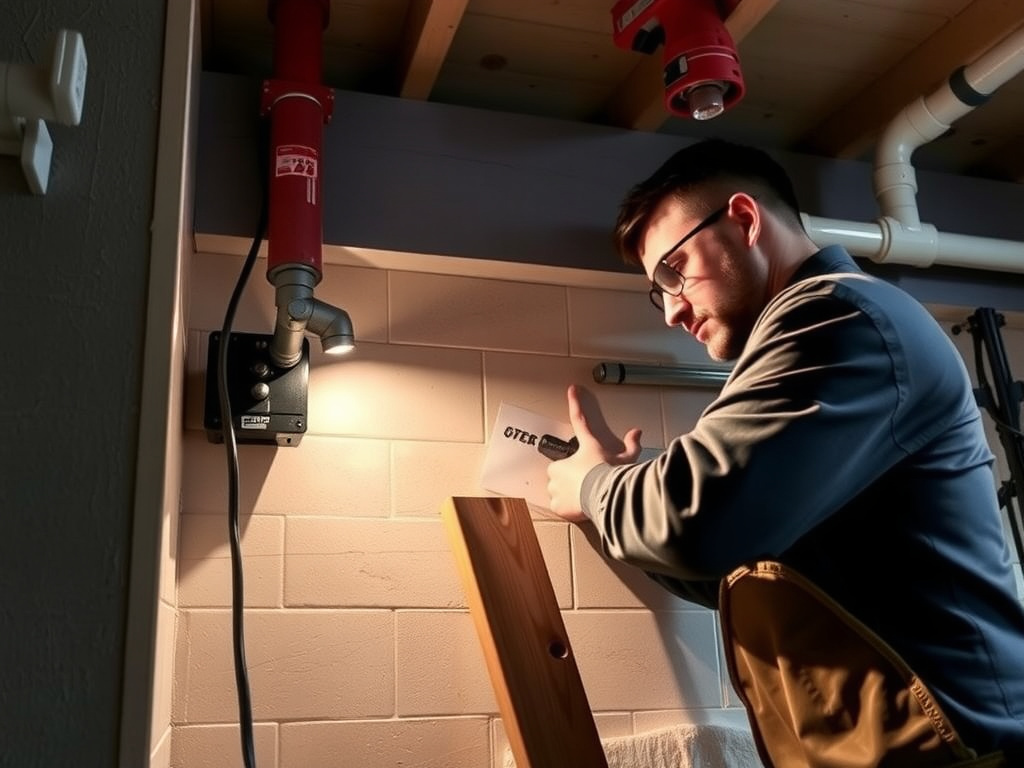
The smell hit me like a wet sock filled with pennies. I was kneeling on a slate bathroom floor in Hampstead, rewiring a shaver-light when the client’s teenage son padded in barefoot, sniffed, and announced, “Mum says the shower smells like a burger left in a gym bag.” Mum was right. The drain grille lifted with the tip of my screwdriver and there it was: a grey-brown mat of hair, soap scum and what looked like shredded ramen noodles, all glistening with bacterial slime. One whiff and you knew why the room never felt clean no matter how much bleach they splashed around.
I’ve been pulling traps for over a decade, and that particular bio-film is the same in £2 million lofts as it is in £200k terraces. If your shower drain smells, the cause is almost always a colony of anaerobic bacteria feeding on trapped debris. They belch out hydrogen sulphide—think rotten egg—and short-chain fatty acids that smell like old cheese. Kill the colony, remove the food, restore the water seal: odour gone. Ignore it and the stench seeps into silicone seals, grout and even the MDF cabinet carcasses. By then you’re not just cleaning; you’re renovating.
Quick Answer Box
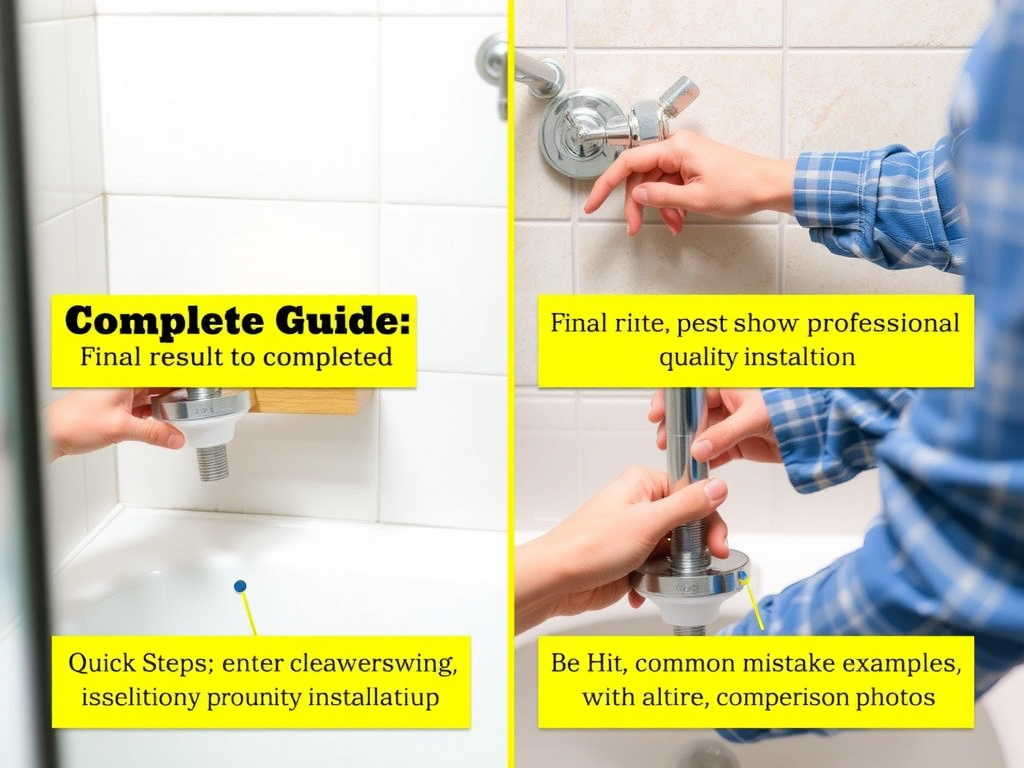
Quick Steps:
1. Pop the grille with a flat screwdriver
2. Fish out the hair sausage (gloves, obviously)
3. Flush with 2 kettles of near-boiling water
4. Tip in 100 g bicarb, chase with 200 ml white vinegar, wait 15 min
5. Final rinse, replace grille, run the shower 30 sec to refill trap
What Actually Makes a Shower Drain Stink?
Most homeowners blame the toilet, but 70 % of “sewage” smells I investigate come from the shower. The floor waste sits lower than any other fixture, so it collects everyone’s hair, body oil, shampoo polymers and the grit from £45-a-jar Himalayan scrub. Mixed together, it forms a spongy dam just below the grille. Because the dam stays wet, bacteria thrive in the absence of oxygen. The gases they release creep past the trap’s water seal if usage is sporadic—guest bathrooms, ensuite that’s only used at weekends—then travel up through the grille. Add in a warm, humid room and you’ve built the perfect stink chimney.
I once metered the airflow rising from a smelly 90 mm shower trap at 0.2 metres per second. That’s enough to carry hydrogen sulphide at 8 ppm—below the danger limit but well above the 0.5 ppm your nose detects. Translation: you’ll smell it long before it harms you, and you’ll think the whole bathroom is dirty even if you just scrubbed it.
Tools & Chemicals I Carry (and What They Cost)
Forget the £2.99 “lemon fresh” gel from the pound shop. It colours the water and does nothing to the sludge mat. My go-to kit fits in a £19 Makita tote and lasts roughly 40 call-outs:
Grille lifter: an old 75 mm plasterboard scraper ground to a chisel tip—free
25 mm plastic drain stick with barbed edges, Monument 1665J, £4.70 at Toolstation
Kettle, 1.7 L, any own-brand £17 Argos, kept in van for both tea and drains
Sodium bicarbonate, 500 g food-grade £1.20 Tesco
White vinegar, 5 % acetic, 5 L £3.99 Bookers wholesale
Bio-enzyme drain maintainer, Roebic K-67, 950 ml £19 Amazon—one capful a week keeps the trap clear between deep cleans
Some pros swear by caustic soda crystals. I don’t. Caustic turns the sludge into a soapy soup that runs downhill… and hardens again in the stack where you can’t reach it. I’ve pulled a 110 mm soil pipe in Crouch End that looked like it was filled with candle wax—£280 later the client wished they’d stuck with enzymes.
Step-by-Step: Deep Clean Without Dismantling the Trap
Start dry. Remove the grille; most click out with sideways pressure, others have a single centre screw. Shine your phone torch down. If you see standing water 100 mm below the grille, the trap is full and the water seal is intact—good news. If the pipe looks dry, you’ve got evaporation or siphonage; run the shower ten seconds first.
1. Extract the hair mat
Feed the barbed stick clockwise, twist twice, pull slowly. Bag the gunk straight into a dog-poo bag; your bin will thank you.
2. Boiling water flush
Two full kettles, pausing five seconds between pours. The heat melts body oils and soap scum, pushing them past the trap.
3. Bicarb + vinegar reaction
100 g bicarb first, poke it through the grille ribs with a toothbrush. Add 200 ml vinegar; it foams and carries oxygen into the bio-film, killing anaerobes. Wait fifteen minutes—not less, or you’re wasting vinegar.
4. Mechanical scrub
Old toothbrush round the grille underside and the top 50 mm of pipe wall. Rinse with hot tap water.
5. Enzyme finish
One capful Roebic K-67, lukewarm water chase. Enzymes keep eating overnight; tell the client not to use the shower for six hours.
I timed this sequence on a standard 900 mm quadrant tray: 18 minutes door to door, including a cuppa with the homeowner. Charge in London? £85 + VAT. Do it yourself for under £4.
When the Smell Persists: Hidden Problems
If the odour returns within a week, stop treating symptoms and hunt the source. I once opened a tiled plinth in a Barbican flat and found the installer had used a running trap—basically a U-bend laid on its side. The water seal was 25 mm deep; one gust of wind from the stack sucked it dry. Solution: swap in a 75 mm water-seal bottle trap (McAlpine TSH10, £14 Screwfix) and strap it so the fall is exactly 2 ° as per BS EN 1253. Smell vanished overnight.
Other culprits:
Leaky shower waste nut—look for brown drip trails on the ceiling below
Missing trap altogether on conversions where a tray was added to an old wet-room gully
Shared stack suction when a new macerator toilet is tied in upstream; fit a HepVo waterless valve (£22) instead of a trap
A quick smoke test with a blown-out match held over the grille will tell you: draw = trap empty, still air = seal intact.
Preventive Routine That Actually Works
Enzymes beat bleach every time. Bleach nukes everything, then bio-film regrows in days because the surface is sterile and ready for recolonisation. Enzymes eat the organic layer down to the plastic, leaving nothing for new bacteria to grip.
My rule of thumb:
Daily users: capful Roebic Sunday night, let it sit
Guest ensuite: same, plus 250 ml water down the drain every Friday to top up the seal
Long holiday: teaspoon of cooking oil floated on top slows evaporation; flush on return
Grille hair-catcher? Use one, but clean it weekly. The silicone types (OXO Good Grips, £15 John Lewis) pop into the dishwasher. Metal mesh discs corrode and slice fingers—skip them.
Natural Alternatives: Do They Pass the Sniff Test?
Clients love eco fixes. Here’s the honest scorecard:
Citrus peel + salt: smells nice for ten minutes, zero antibacterial action
Baking soda + lemon juice: same fizz as vinegar, costs five times more
Live yoghurt: introduces lactobacillus that out-competes sulphur bugs—works, but you need 200 ml and a four-hour dwell; who has that every week?
If you’re allergic to chemicals, go enzyme. Everything else is potpourri down a drainpipe.
Cost Comparison: DIY vs. Pro vs. Replacement
Option
Typical Cost
Time
Guarantee
DIY bicarb + vinegar
£1.20
20 min
None
DIY enzyme monthly
£19/yr
5 min × 12
None
Plumber call-out (London)
£85–£120
30 min
30-day
New McAlpine trap fitted
£180 parts & labour
1 hr
1 yr
Full shower tray re-seat
£650+
1 day
2 yr
I tell landlords to budget £100 per annum per shower for maintenance—cheaper than a void period when tenants leave early because “the place stinks.”
Safety Considerations and Legal Requirements
UK Building Regs Part H requires every shower to have a trap with at least 50 mm water seal (75 mm for commercial). If you alter the waste route, notify building control or use a competent-person scheme plumber. Electrical side: never pour water if the shower pump isolator is below tray level; I once saw a 230 V Crabtree switch half-flooded because the waste line backed up.
Warning: Mixing bleach and vinegar releases chlorine gas → lung irritation → ventilate the room and stick to one chemistry at a time.
Completed Quick Steps: installation showing professional results
FAQ
How often should I clean the shower drain to stop smells?
Every four weeks for a daily-use family shower; every eight weeks for single-occupant ensuites. Add enzymes weekly if you have long hair or use oil-based scrubs.
Can I use caustic soda on a plastic tray waste?
You can, but don’t. Caustic hits 80 °C as it reacts and can craze acrylic trays. If you must, dilute 100 g in 1 L cold water first and pour slowly—never the other way round.
Why does the smell come back only in summer?
Warm air holds more odour molecules and speeds bacterial metabolism. Stack suction also increases when upstairs windows are open, pulling trap seals dry. Run the extractor fan during and ten minutes after showers to keep the room under slight negative pressure.
Is a waterless trap better than a bottle trap?
HepVo valves are brilliant for space-limited enclosures and never siphon, but they need replacing every five years. Bottle traps are cheaper and serviceable; choose what fits under your tray.
Will installing a hair-catcher slow drainage?
Flat stainless grids do. Choose a dome-style silicone catcher (TubShroom, £12 Amazon); flow rate drops only 5 % and catches 95 % of hair in my bucket test.
Conclusion
A smelly shower drain isn’t a nuisance—it’s an early-warning light. Knock out the bio-film, restore the water seal, and you’ve solved 90 % of “mystery” bathroom odours without ripping up tiles. Do it regularly with cheap household staples and the occasional enzyme top-up, and you’ll never again kneel on slate wondering if your bathroom doubles as a burger gym bag.
Author Bio
Steve Wilson
Steve Wilson is a London-based bathroom installer and Level 3 qualified plumber with 11 years’ experience in high-end residential refurbishments. He has cleared more than 1,400 smelly shower drains and specifies McAlpine and HepVo traps as standard in every project he runs.