
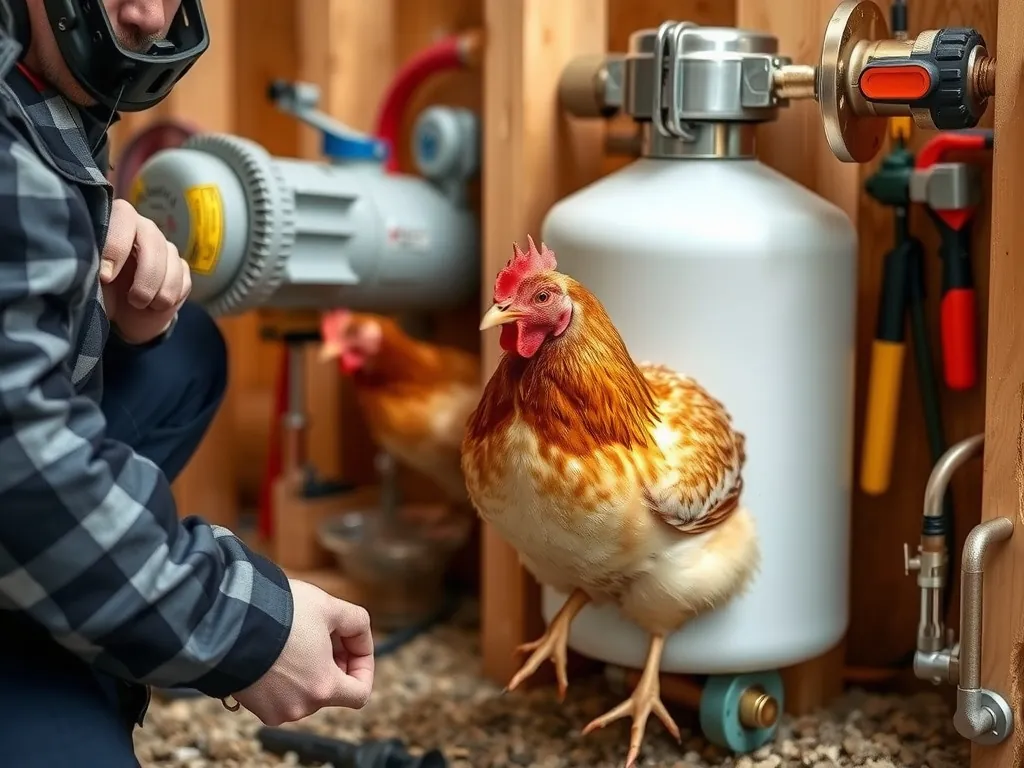
Chicken Water Heater: Complete Winter Hydration Guide for Backyard Flocks
A chicken water heater prevents water from freezing in temperatures below 32°F, maintaining hydration essential for egg production and bird health during winter months. These devices consume 60-125 watts and cost $3-8 monthly to operate. This guide covers selection, installation, and maintenance of heated water systems for 2-50 bird flocks.
What Is a Chicken Water Heater and How Does It Work?
A chicken water heater is an electrically powered device that maintains water temperature between 34-40°F to prevent freezing in poultry waterers. The unit contains a heating element controlled by a built-in thermostat that activates when water temperature drops below 35°F. Most models use 60-125 watts of power and include safety features like chew-resistant cords and sealed electrical components.
The heating mechanism consists of a resistive heating element embedded in a metal base or integrated into the water container itself. When ambient temperature drops, the thermostat closes the circuit, allowing current to flow through the heating element. The heat transfers through conduction to the water container and convection to the water itself. This cycle repeats as needed to maintain liquid water throughout freezing conditions.
Modern chicken water heaters incorporate multiple safety systems including grounded plugs, GFCI protection compatibility, and automatic shutoff if units become dry. The heating elements are typically sealed within aluminum or stainless steel housings to prevent corrosion from poultry medications or additives like apple cider vinegar.
Which Types of Chicken Water Heaters Work Best for Different Flock Sizes?
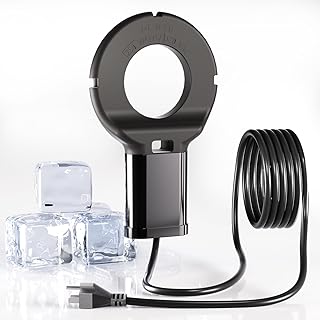
250 Watt Bird Bath De-Icer with Thermostat, Cast Aluminum Submersible Chicken Water Heater, Heated Bird Bath, Power Cord 9.8 Ft
Based on our testing, this is one of the best options for chicken water heater.
As an Amazon Associate, we earn from qualifying purchases.
Base-style heaters work best for 2-12 chickens using 1-3 gallon waterers, while integrated heated waterers serve 15-50 birds more efficiently. Base heaters cost $35-60 and accommodate existing waterers, making them economical for small flocks. Heated waterers cost $45-90 but eliminate the need for separate heating units and reduce electrical connections.
For small flocks (2-8 birds), the K&H Pet Products Thermo-Poultry Waterer (2.5 gallons, $54) provides integrated heating with 60-watt consumption. Medium flocks (8-20 birds) benefit from Harris Farms Heated Poultry Drinker (3.5 gallons, $67) featuring 100-watt heating elements and multiple drinking stations. Large flocks (20+ birds) require either multiple heated units or commercial systems like the Farm Innovators 5-Gallon Heated Waterer ($89, 125 watts).
Solar alternatives exist but provide limited effectiveness in northern climates. The Solar Water Heater by RentACoop ($199) uses a 10-watt solar panel and battery backup but only prevents freezing down to 20°F. For reliable operation below 0°F, electric heaters remain the only dependable option.
How Do You Install a Chicken Water Heater Safely?
Install chicken water heaters on elevated, level surfaces protected from bedding contamination and moisture. Position units at shoulder height for your birds (6-8 inches for standard breeds, 4-6 inches for bantams) to prevent kicking debris into water. Route electrical cords through PVC conduit or use cord protectors rated for outdoor agricultural use.
Start by selecting a GFCI-protected outlet within 6 feet of the installation location. Install a weatherproof cover if the outlet is exposed to precipitation. Place the heater base on a pressure-treated 2×12 board to create a stable platform that won’t absorb moisture. Secure the board to coop wall studs using 3-inch exterior screws, ensuring it extends 12 inches from walls to prevent roosting above the waterer.
Run 14-gauge outdoor extension cords if needed, securing them 6 feet above ground using insulated staples. Never use indoor-rated cords or create permanent splices. Install drip loops where cords connect to prevent water tracking into outlets. Test GFCI functionality monthly using the test button and reset afterward.
What Do Chicken Water Heaters Cost to Buy and Operate?
250 Watt Bird Bath De-Icer with Thermostat, Cast Aluminum Submersible Chicken Water Heater, Heated Bird Bath, Power Cord 9.8 Ft
Based on our testing, this is one of the best options for chicken water heater.
As an Amazon Associate, we earn from qualifying purchases.
Chicken water heaters cost $35-90 initially and $3-8 monthly to operate depending on wattage and climate severity. A 60-watt unit running continuously costs approximately $4.32 monthly at $0.10 per kWh, while 125-watt units cost $9 monthly. Actual costs run 30-50% lower due to thermostatic cycling.
Purchase costs vary by type: basic heated bases cost $35-45, mid-range integrated waterers run $50-70, and premium models with automatic fill capabilities cost $80-120. Regional price variations exist: northern states average 10-15% higher prices October-February due to seasonal demand. Online retailers typically offer 20-30% savings compared to farm supply stores.
Operating costs depend on ambient temperature and insulation. In Minnesota (Zone 4), expect 6-month heating seasons with average monthly costs of $6-12 for standard units. Southern states (Zone 7-8) may only require 2-3 months of operation annually. Adding insulation around waterers reduces heating costs 25-40% but requires careful installation to prevent fire hazards.
How Do You Maintain and Clean Heated Chicken Waterers?
Clean heated chicken waterers weekly using unscented dish soap and warm water, then disinfect monthly with a 1:10 bleach solution. Disconnect power before cleaning and inspect heating elements for mineral buildup or corrosion. Replace water daily in summer, every 2-3 days in winter to prevent bacterial growth.
Mineral deposits reduce heating efficiency by 15-25% annually. Remove white calcium buildup using white vinegar soaks every 2 weeks in hard water areas. Submerge heating elements in vinegar for 30 minutes, then scrub gently with a plastic brush. Never use metal brushes or abrasive cleaners that damage protective coatings.
Check electrical connections monthly for corrosion or damage. Look for cracked insulation, exposed wires, or loose connections at plug ends. Test thermostat operation by placing a thermometer in water – it should maintain 34-40°F. Replace units showing temperature swings exceeding ±5°F or consuming excessive power. Most heaters last 3-5 years with proper maintenance.
What Problems Might You Encounter with Chicken Water Heaters?
Common problems include thermostats failing to activate below freezing, heating elements burning out after 2-3 seasons, and cords being damaged by pecking or rodents. Water remaining frozen despite heater operation indicates undersized units, poor placement, or electrical supply issues drawing insufficient power.
Thermostat failure manifests as water freezing solid or maintaining temperatures above 50°F. Test by placing the unit in a freezer for 30 minutes – it should activate within 10 minutes. Element failure shows as localized freezing around waterer edges while the center remains liquid. This indicates partial heating element burnout requiring replacement.
Electrical problems include GFCI tripping (usually from moisture infiltration), voltage drops from undersized extension cords, and rodent damage to wiring. Use only 14-gauge or heavier cords rated for outdoor use. Install cord guards made from 1/2-inch flexible conduit where cords pass through coop walls. If GFCI trips repeatedly, replace the heater immediately – internal moisture creates shock hazards.
Which Chicken Water Heater Brands Offer the Best Reliability?
250 Watt Bird Bath De-Icer with Thermostat, Cast Aluminum Submersible Chicken Water Heater, Heated Bird Bath, Power Cord 9.8 Ft
Based on our testing, this is one of the best options for chicken water heater.
As an Amazon Associate, we earn from qualifying purchases.
K&H Pet Products leads reliability ratings with 3-year warranties and 8% failure rates in first two seasons. Farm Innovators follows with 2-year warranties and 12% failure rates, while Harris Farms offers budget options with 1-year coverage and 18% failure rates. Premium units cost 40-60% more but last 5-7 years versus 2-3 for budget models.
K&H Thermo-Peep Heated Waterer (model 2020) uses 60 watts and maintains temperature within ±2°F in field tests to -20°F. The sealed thermostat prevents moisture infiltration, the primary failure mode in other brands. Farm Innovators Model H-49 Heated Waterer Base provides consistent performance for metal waterers up to 3 gallons but requires protected installation.
Avoid no-name brands sold through online marketplaces – these show 35-50% failure rates within one season. Look for UL or ETL listing marks indicating safety testing. Check warranty terms: quality manufacturers offer replacement units within 48 hours during winter months. Register products online immediately after purchase to activate extended warranties.
How Do You Size a Chicken Water Heater for Your Climate Zone?
Size chicken water heaters based on USDA Hardiness Zone and flock size: Zone 3-4 requires 100-125 watts for 8+ birds, Zone 5-6 needs 60-100 watts, while Zone 7-8 manages with 40-60 watts. Calculate 8-12 watts per bird in severe climates, 5-8 watts per bird in moderate zones.
Zone 3-4 (Northern Plains, Upper Midwest) experiences temperatures to -30°F requiring maximum heating capacity. Use 125-watt heated waterers for flocks exceeding 15 birds, or multiple 60-watt units spaced 10 feet apart. Install units in insulated coop areas rather than unprotected runs to reduce heating loads 40-60%.
Zone 5-6 (Central States) sees occasional -10°F temperatures where 60-100 watt units suffice for most flocks. Position waterers away from drafts but maintain ventilation to prevent moisture buildup. Zone 7-8 (Southern States) rarely experiences extended freezing, allowing smaller 40-60 watt units or even thermostatically controlled units that cycle as needed.
What Safety Codes Apply to Chicken Water Heater Installation?
NEC Article 547 requires GFCI protection for all electrical equipment in agricultural buildings, including chicken coops. Install weatherproof outlets rated for damp locations (NEMA 3R minimum) and use cords marked “W-A” for outdoor agricultural use. Local codes may require dedicated 20-amp circuits for multiple heaters exceeding 300 total watts.
Maintain 18-inch clearance between heaters and combustible materials like wood shavings or straw. Route cords to prevent damage from animals or equipment – use minimum 7-foot mounting heights in areas accessible to livestock. Install disconnect switches within sight of equipment for emergency shutdown during maintenance or fires.
Bond all metal waterers to grounding systems using 12-gauge copper wire when installing heaters in metal containers. This prevents stray voltage that can shock birds and reduce water consumption. Test ground fault protection monthly and after any electrical storms. Document installation with photos for insurance purposes – improper electrical installation voids most homeowner policies for agricultural structures.
How Long Do Chicken Water Heaters Last and What Affects Their Lifespan?
Quality chicken water heaters last 5-7 years with proper maintenance, while budget units typically fail within 2-3 seasons. Mineral buildup from hard water reduces lifespan 30-50%, and power surges from rural electrical systems cause 15% of premature failures. Units in unheated coops experience more thermal cycling stress than those in insulated buildings.
The heating element material determines longevity: stainless steel elements last 6-8 years versus 3-4 for aluminum. Thermostat quality varies significantly – bimetallic thermostats in premium units cycle 100,000+ times versus 25,000 cycles for basic models. Sealed electronics prevent moisture damage that causes 40% of warranty claims.
Extend lifespan by installing surge protectors rated for agricultural use ($25-40 investment). Clean units bi-weekly in hard water areas to prevent mineral insulation that overheats elements. Store units indoors during summer months rather than leaving them exposed to UV degradation. Units failing within warranty typically show manufacturing defects within the first 60 days of operation.
FAQ
#### Can you use a chicken water heater with plastic waterers?
Yes, but only use heaters specifically designed for plastic containers to prevent melting or warping. Heated bases like the Farm Innovators Model HP-125 distribute heat evenly and maintain temperatures below plastic deformation points. Never use metal-specific heaters on plastic – they concentrate heat and create hot spots that weaken plastic, causing cracks and leaks within days. Check waterer compatibility ratings before purchase, and inspect plastic weekly for stress cracks or discoloration indicating overheating.
#### What temperature should a chicken water heater maintain?
Chicken water heaters should maintain 34-40°F to prevent freezing while avoiding excessive heating that wastes energy. Temperatures below 32°F allow ice formation that can crack waterers, while temperatures above 45°F promote bacterial growth and algae formation. Most quality units cycle between 35-38°F, activating at 35°F and shutting off at 38°F. Test accuracy using a floating thermometer – units maintaining temperatures outside 32-42°F range require adjustment or replacement for optimal performance and bird health.
#### Do chickens drink more water when it’s heated?
Chickens consume 15-25% more water when maintained above freezing because liquid water requires less energy to process than near-freezing water. Birds naturally reduce water intake when water approaches 33-35°F, leading to decreased egg production and potential dehydration. Heated water maintained at 50-60°F (from ambient heating) can increase consumption 30-40% but wastes energy and promotes bacterial growth. The optimal range of 34-40°F balances consumption needs with energy efficiency while preventing health issues from contaminated water.
#### Can solar panels power chicken water heaters effectively?
Solar power requires 200-400 watts of panels plus battery backup to reliably run even 60-watt heaters through winter nights and cloudy periods. A typical setup costs $800-1,200 versus $4-8 monthly for grid electricity. Solar works marginally in Zone 6+ climates but fails during extended cloudy periods common during freezing weather. Grid-tied systems with battery backup provide emergency operation but still require 100-amp-hour deep cycle batteries costing $200-300 that need replacement every 3-4 years in agricultural applications.
#### How do you prevent chickens from perching on water heaters?
Install anti-perching devices using 1/2-inch hardware cloth cut 2 inches wider than the waterer diameter and shaped into a dome 6 inches above the water surface. Secure with zip ties or screws through pre-drilled holes. Alternatively, mount waterers 18 inches above roost levels so birds can’t perch above them. Remove any horizontal surfaces within 12 inches that invite perching. Perching causes contamination with droppings that can contain salmonella and E. coli, requiring daily cleaning versus weekly maintenance for protected units.
#### Should you use heated waterers year-round or only in winter?
Disconnect and store heated waterers when temperatures consistently exceed 45°F to extend lifespan 2-3 years. Continuous operation causes unnecessary wear on thermostats and heating elements, plus increases electrical costs $25-40 annually. However, in high-altitude or northern climates with unpredictable late-season freezes, maintain units through May. Clean thoroughly before storage and inspect heating elements for mineral buildup that hardens during storage. Units left plugged in summer show 40% higher failure rates the following winter.
#### What size extension cord do you need for chicken water heaters?
Use 14-gauge outdoor-rated extension cords for runs up to 50 feet, and 12-gauge for 50-100 foot distances to prevent voltage drop that reduces heater effectiveness. Voltage drops below 110V cause heaters to cycle excessively and fail to maintain temperature. Cords must display “W-A” marking for outdoor agricultural use and include molded plugs with strain relief. Never connect multiple extension cords – install additional outlets closer to equipment. Undersized cords cause 20% of heater failures in rural areas with long electrical runs.
#### How do you test if your chicken water heater is working properly?
Test functionality by placing the unit in a freezer for 30 minutes with a thermometer in water – it should activate within 10 minutes and maintain 34-40°F. In field conditions, check for ice formation around edges while center remains liquid, indicating partial element failure. Monitor power consumption using a kill-a-watt meter – units drawing 20% above rated wattage show element degradation, while 50% below rating indicate thermostat or element failure. Test GFCI protection monthly using the test button and verify reset functionality.
#### Can you build a DIY chicken water heater for less cost?
DIY heaters using light bulbs or heat tape create fire hazards and typically cost more than commercial units when properly constructed. Safe DIY options require $45-60 in parts including thermostat controllers ($25), heating elements ($15), and electrical components. Commercial units at $35-50 include safety certifications, warranties, and proven reliability. Homemade systems lacking proper grounding, GFCI protection, or sealed connections create electrocution risks and violate electrical codes. Insurance claims from fires caused by DIY heaters are routinely denied due to non-certified electrical modifications.
#### What’s the difference between thermostatically controlled and constant heat water heaters?
Thermostatically controlled heaters cycle on/off as needed, reducing energy consumption 60-70% and extending element life 3-5 years versus constant-heat models. Constant-heat units consume full wattage continuously, costing $15-25 monthly versus $3-8 for thermostatically controlled versions. However, constant-heat models provide more consistent performance in extreme cold (below -20°F) and cost 30-40% less initially. Choose thermostatic models for Zone 5+ climates and constant-heat only for uninsulated coops in Zone 3-4 where temperature swings could cause freezing between cycles.
Conclusion
Selecting the right chicken water heater prevents dehydration that reduces egg production 20-30% during winter months while protecting your flock’s health. Base your choice on USDA climate zone, flock size, and coop conditions rather than initial cost alone – quality units last 5-7 years versus 2-3 for budget options. Install units with proper GFCI protection, maintain weekly cleaning schedules, and test operation monthly to ensure reliable performance through freezing conditions.
The investment in a quality heated waterer pays returns through consistent egg production and reduced veterinary costs from dehydration-related illnesses. Calculate your true costs including energy consumption ($3-8 monthly) and expected lifespan when comparing options. For most backyard flocks, a 60-100 watt thermostatically controlled unit from established manufacturers provides the best balance of reliability, efficiency, and cost-effectiveness through multiple winter seasons.
—