
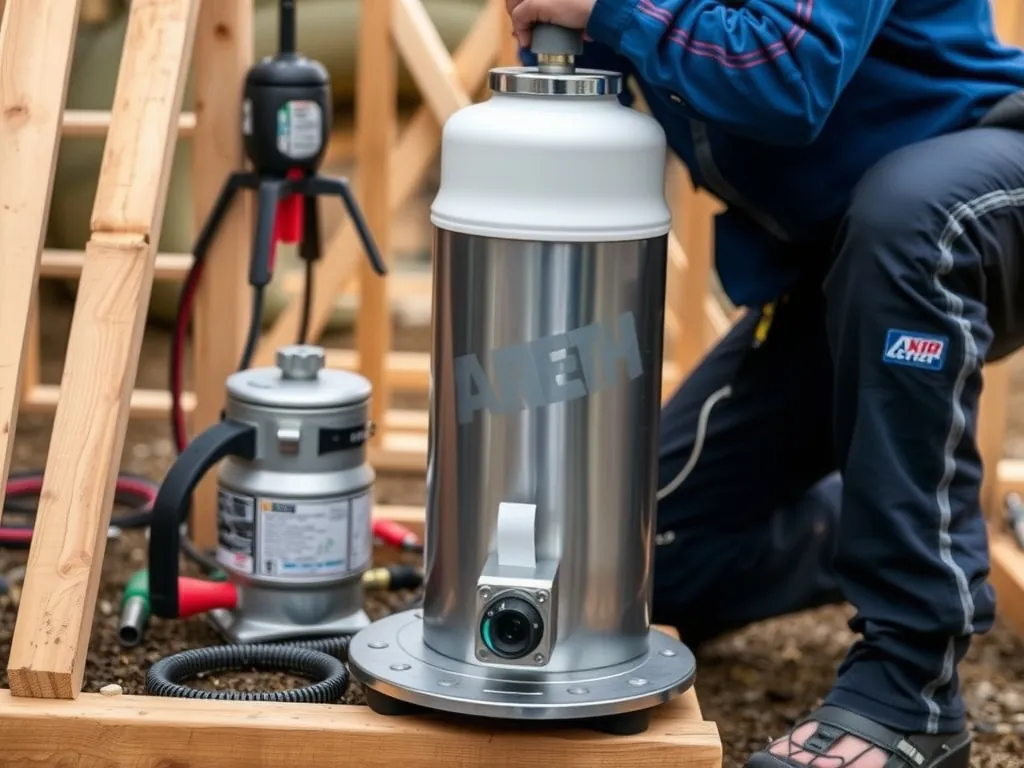
Camping Hot Water Heater: Complete Guide to Portable Systems
A camping hot water heater delivers on-demand heated water in off-grid or temporary outdoor settings using propane, battery power, or solar energy. These compact units heat water to 100–110°F within 30 seconds and support showers, dishwashing, and cleaning during extended camping trips. Most portable models provide 1–3 gallons per minute at 3,000–6,000 BTU output with automatic ignition and temperature control. This guide covers types, installation, safety, troubleshooting, and selection criteria for reliable field performance.
What Is a Camping Hot Water Heater and How Does It Work?
A camping hot water heater is a portable, self-contained unit that heats water on demand using propane, electricity, or solar energy for outdoor use. It operates by passing cold water through a heat exchanger warmed by a propane burner or electric heating element, delivering hot water instantly at user-set temperatures. Units activate via flow sensors when a tap or shower is opened, eliminating the need for storage tanks and minimizing fuel use. Most models regulate output between 95°F and 110°F and shut off automatically when flow stops.
These systems use instant heating technology similar to residential tankless water heaters but are scaled down for mobility and low power consumption. Propane-powered models dominate the market due to high thermal efficiency and independence from grid power. The average camping heater consumes 0.1–0.3 pounds of propane per hour at 3,000–6,000 BTU output. Electric variants rely on 12V DC batteries or solar-charged lithium systems, delivering lower flow rates (0.5–1.5 GPM) but quieter operation. Key components include a burner assembly, heat exchanger, piezoelectric or battery-powered ignition, pressure regulator, and anti-freeze drain system.
Propane models require a compatible 1-lb or 20-lb cylinder with an ASME-certified POL or QCC-1 connection. Internal flow sensors trigger ignition when water movement is detected above 0.25 GPM, preventing dry firing. Temperature is managed via a thermostatic control valve or fixed-output design. Units must be installed vertically with proper ventilation to avoid carbon monoxide buildup. Many include freeze protection down to 20°F through manual drain valves or automatic purge systems. UL 1048 and ANSI Z21.10.3 standards govern safety and performance.
Efficiency depends on inlet water temperature, flow rate, and ambient conditions. At 50°F inlet and 1.0 GPM, a 6,000 BTU unit raises water by ~30°F. Higher elevations reduce combustion efficiency by 2–5% per 1,000 feet above sea level. Wind exposure can cool heat exchangers, requiring windshields. Proper placement near point-of-use reduces heat loss in hoses. Units typically weigh 5–12 lbs and measure 8”x6”x4”, making them suitable for backpacking trailers, rooftop tents, and overland rigs.
How Do You Install a Camping Hot Water Heater Step-by-Step?
Install a camping hot water heater by securing the unit vertically, connecting water lines, attaching a propane source, wiring power (if electric), and testing for leaks and function. Mount the heater on a stable, non-flammable surface using included brackets, ensuring 6 inches of clearance around burner vents. Use stainless steel or reinforced rubber hose rated for 60 psi and temperatures up to 180°F for both inlet and outlet lines. Connect a 12V battery or solar charge controller if the model requires powered ignition or controls.
Begin by shutting off all water and fuel sources. Position the heater near your water pump and propane tank, minimizing hose runs to reduce pressure drop. Secure the unit with #8 stainless steel screws into wood or metal framing. Attach a 1/4” or 3/8” potable water hose to the cold inlet using a hose barb fitting and clamp. Connect the hot outlet to your showerhead or faucet with a similar hose. Install an inline filter before the inlet to prevent sediment from clogging the heat exchanger. For propane, use a CSA-certified regulator (11” WC) and flexible appliance hose with a bubble-tight shutoff valve.
Wire the battery connection per manufacturer specs—typically red to positive, black to negative—using 16-gauge stranded copper wire with waterproof connectors. Seal all wire penetrations with silicone rated for outdoor use. Open the propane cylinder valve slowly and check all connections with soapy water for bubbles indicating leaks. Pressurize the system and open the hot water outlet to purge air. Activate flow to test ignition: the unit should fire within 3 seconds and deliver warm water steadily. Adjust temperature via control knob or mixing valve.
Critical safety steps include installing a pressure relief valve (set at 50 psi) on the outlet line and ensuring all components are certified for outdoor use. Never operate indoors or in enclosed spaces due to CO risk. Use a wind shield made of aluminum sheet to stabilize flame in breezy conditions. In freezing environments, drain the system after each use or use propylene glycol antifreeze rated for potable water systems. Follow the manufacturer’s torque specs for fittings—typically 15–20 in-lbs—to avoid cracking ports.
Which Camping Hot Water Heater Is Best for Off-Grid Use?

Tankless Water Heater 6L, KOXKING 1.58 GPM Portable Propane Hot Water Heater with Handle & Overheating Protection, Outdoor Instant Hot Shower for Camping & RV – Black
Based on our testing, this is one of the best options for camping hot water heater.
As an Amazon Associate, we earn from qualifying purchases.
The best camping hot water heater for off-grid use combines propane reliability, freeze resistance, low fuel consumption, and rugged construction for remote environments. For most overlanding and dispersed camping scenarios, the Eccotemp FV Propane models, SHOWERMIX SM-12, or ONIT Propane Water Heater deliver optimal balance of performance, durability, and portability. Propane units outperform electric or solar options in cold weather and high-demand situations due to consistent heat output regardless of battery charge or sunlight.
Eccotemp FV-12 and FV-460P offer 6,000 BTU output, heating water from 50°F to 100°F at 1.2 GPM with a 1-lb propane cylinder lasting 1.5–2 hours. They feature piezoelectric ignition, built-in temperature control, and freeze-proof drain plugs. The SHOWERMIX SM-12 provides modulated heat output and digital display for precise temperature setting, consuming 0.25 lbs/hour at full fire. ONIT’s portable model includes a foldable design and integrated shower bag for ultra-light setups. All meet UL 1048 safety standards and operate down to 20°F with proper draining.
Electric models like the Zendure SuperTank G3 with built-in heating element are viable only with large lithium power stations (1,000Wh+) and low flow demands. They deliver 0.8 GPM at 12V, sufficient for handwashing but not continuous showers. Solar-heated showers (e.g., Advanced Elements Solar Shower) require 6+ hours of direct sun and provide 5–10 gallons at 90–100°F—ideal for base camps but unreliable in overcast conditions.
For four-season use, prioritize units with automatic ignition, thermal cut-off sensors, and CSA certification. Look for stainless steel heat exchangers over copper for corrosion resistance. Units with IPX5-rated electronics survive rain and splashes. In high-altitude areas (>5,000 ft), select models with adjustable air intake to maintain combustion efficiency. Cost ranges from $150 (basic) to $450 (premium), with ROI in convenience and hygiene during multi-week trips.
How Much Does a Camping Hot Water Heater Cost?
Camping hot water heaters cost $120–$500 for the unit, with total installed costs ranging from $200 to $700 depending on accessories and power integration. Entry-level propane models like the Camplux AK12 start at $120 and include basic piezoelectric ignition and 1.2 GPM flow. Mid-range units (Eccotemp FV-12, $270) add temperature control, battery backup, and freeze protection. Premium models (SHOWERMIX SM-12, $450) feature digital displays, modulating burners, and app connectivity.
Additional costs include a 12V battery ($80–$200), solar panel (100W, $100–$180), mounting hardware ($25), potable water hoses ($15–$30 each), propane regulator ($20), and leak detection kit ($15). Installation by a professional RV technician adds $100–$200 if wiring or plumbing modifications are needed. Propane costs $3–$4 per 1-lb cylinder, lasting 1.5–2 hours of continuous use at medium heat. Annual fuel expense for weekend campers is $60–$120.
Electric systems require larger investments: a 1,000Wh lithium power station (e.g., Jackery 1000) costs $1,200 and supports only 10–15 minutes of heated shower time per charge. Solar panels (200W) add $300–$500. However, these eliminate propane handling and are safer in confined spaces. Used units on Craigslist or Facebook Marketplace sell for 40–60% of retail but may lack warranty or safety certifications.
Regional variations affect pricing—propane is cheaper in rural Texas ($2.50/cylinder) than in coastal California ($4.50). Cold climates increase fuel use by 15–25% due to lower inlet water temperatures. ROI improves for families or groups needing frequent showers, reducing reliance on campsite facilities. For solo backpackers, a solar shower bag ($30) may suffice, but overlanders benefit from permanent installations.
What Problems Might You Encounter with a Camping Hot Water Heater?
Common camping hot water heater problems include ignition failure, low water temperature, flameout in wind, freezing damage, and gas leaks—all preventable with proper setup and maintenance. Ignition issues stem from depleted 9V batteries, clogged pilot orifices, or moisture in the spark electrode. Low heat output results from high flow rates, cold inlet water, or scale buildup in the heat exchanger. Wind can blow out flames unless a windshield is used.
Freezing is the leading cause of permanent damage. Water left in the heat exchanger expands when frozen, cracking copper or aluminum components. Always drain the unit after use via the bottom plug or pressurized air. Use propylene glycol antifreeze (non-toxic) in permanent installations exposed to sub-freezing temps. Gas leaks occur at hose connections or regulators—test monthly with soapy water. Never use in enclosed tents or garages due to carbon monoxide (CO) risk; install a UL-listed CO detector nearby.
Mineral buildup from hard water reduces heat transfer efficiency over time. Flush the system annually with a 1:1 white vinegar solution circulated for 30 minutes. Avoid using bleach or acidic cleaners that corrode seals. Overpressure from unregulated water pumps (>60 psi) damages internal valves. Install a pressure-reducing valve set to 40 psi. Electrical models fail when battery voltage drops below 10.5V—use a low-voltage cutoff switch.
Other issues include inconsistent temperature due to fluctuating propane pressure or failing thermostatic valves. Replace regulators every 3–5 years. In high altitudes, mix in more air using adjustable vents to maintain combustion. Units producing soot indicate incomplete burning—clean burner ports and check air intake. If the heater emits a rotten egg smell, hydrogen sulfide may be present; flush system and inspect anode rod if applicable.
How Do You Maintain a Camping Hot Water Heater?
Maintain a camping hot water heater by flushing the heat exchanger annually, inspecting gas lines monthly, cleaning burners quarterly, and draining the system after every use in freezing conditions. Perform a full inspection before each camping season, checking for corrosion, loose fittings, and battery health. Flush the unit with 1 quart of diluted white vinegar (50%) using a submersible pump in a closed loop for 30 minutes to dissolve mineral deposits.
Inspect propane hoses and regulators for cracks, abrasion, or swelling every 30 days. Replace hoses every 2 years or immediately after exposure to UV degradation. Clean burner ports with a brass brush and compressed air to remove spider nests or debris—common causes of flame failure. Test ignition 3–5 times per season to ensure spark intensity and fuel flow. Verify that the flame is blue with minimal yellow tips; yellow flames indicate poor air-to-fuel ratio.
Check mounting hardware for tightness and corrosion. Re-torque screws to 15 in-lbs annually. Examine water hoses for bulges or brittleness—replace every 18 months. For electric models, test battery connections for voltage drop under load (should not exceed 0.5V). Keep the air intake filter free of dust and snow. Store the heater indoors in a dry place when not in use for more than 30 days.
Follow the manufacturer’s service intervals: Eccotemp recommends servicing every 12 months, SHOWERMIX every 18 months. Keep a log of maintenance dates, propane usage, and repairs. Use only OEM replacement parts—aftermarket igniters or regulators may not meet safety standards. Register your unit for recall notifications. Proper maintenance extends lifespan from 3–5 years to 7+ years and prevents dangerous failures.
What Safety Codes Apply to Camping Hot Water Heaters?
Camping hot water heaters must comply with UL 1048 (Gas-Fired, Low-Pressure, Instantaneous Water Heaters), ANSI Z21.10.3 (Gas Water Heaters), and NFPA 54 (National Fuel Gas Code) for safe outdoor operation. UL 1048 requires automatic shut-off within 10 seconds of flame failure, overheat protection at 180°F, and pressure relief valves rated at 50 psi. Units must withstand vibration, impact, and weather exposure testing.
NFPA 54 mandates 12 inches of clearance from combustible materials, proper venting away from occupied areas, and use of certified gas connectors. Propane systems must include a bubble-tight shutoff valve and excess flow valve (EFV) to limit release during hose rupture. Installers must follow IRC Section G2413 for fuel line sizing and pressure testing. CO detectors are required within 10 feet of any fuel-burning appliance per UL 2034.
Electrical components must meet NEC Article 551 (Recreational Vehicles) and be rated for wet locations (IPX4 minimum). 12V systems require fuse protection within 18 inches of the battery. Use only flexible appliance connectors listed for propane service—never use natural gas hoses. Transport cylinders upright with caps secured per DOT 412 regulations. Never modify or bypass safety controls.
Failure to follow codes risks fire, explosion, or CO poisoning. In 2022, the CPSC reported 120 incidents involving portable heaters, 32% due to improper ventilation. Always operate heaters outdoors or in well-ventilated awnings. Never sleep near an active unit. Use a digital CO meter (e.g., Kidde Nighthawk) to monitor levels. Compliance ensures insurance coverage and liability protection during off-grid use.
CPSC Propane Safety Guidelines
NFPA 54 Fuel Gas Code
UL 1048 Certification Standard
Frequently Asked Questions
#### Can you use a camping hot water heater indoors?
No, camping hot water heaters must never be used indoors or in enclosed spaces due to carbon monoxide (CO) risk. These propane-burning units consume oxygen and emit CO at levels exceeding 200 ppm, which can cause unconsciousness or death within minutes in poorly ventilated areas. Only operate in open-air environments with cross-ventilation. Use a UL-listed CO detector within 10 feet of the unit when in awnings or semi-enclosed shelters. Electric or solar-heated water bags are safer alternatives for tent use.
#### How long does a 1-lb propane cylinder last with a camping water heater?
A 1-lb propane cylinder lasts 1.5 to 2 hours of continuous use at medium heat output (5,000 BTU). At full fire (6,000 BTU), runtime drops to 60–90 minutes. Actual duration depends on water temperature setting, flow rate, and inlet water temperature. For example, heating 1.2 GPM from 50°F to 100°F consumes 0.25 lbs/hour. For longer trips, use a 20-lb ASME tank with a low-pressure regulator or carry spare 1-lb cylinders stored upright in a ventilated compartment.
#### Are camping hot water heaters safe in freezing temperatures?
Camping hot water heaters can operate in freezing temperatures if drained after each use or filled with non-toxic propylene glycol antifreeze. Water left inside expands when frozen, cracking heat exchangers and valves. Models with manual drain plugs (e.g., Eccotemp) must be emptied post-use. Some premium units include automatic purge systems. Never use automotive antifreeze—it’s toxic. In sub-freezing conditions, insulate hoses or use heat tape rated for potable water systems.
#### Which is better: propane or electric camping water heaters?
Propane camping water heaters are better for performance and reliability; electric models suit low-demand or CO-sensitive scenarios. Propane units deliver 1.0–1.5 GPM at 6,000 BTU, sufficient for 10-minute showers. Electric heaters (12V) max out at 0.8 GPM and require 1,000Wh+ power stations for short use. Propane costs less per hour ($0.20 vs. $1.50 for battery drain) and works in cold weather. Electric systems are quieter and safer near tents but depend on solar recharge availability.
#### Do I need a professional to install a camping hot water heater?
You don’t need a professional if you have basic plumbing and electrical skills, but hire one for permanent RV or trailer installations involving structural mounts or 120V AC systems. DIY installation takes 2–4 hours using included hardware and instructions. Errors in gas line sealing or electrical grounding create fire or shock hazards. For hardwired battery connections or integration with solar charge controllers, consult an RV-certified technician. Always pressure-test gas lines and verify CO safety.
#### How often should you clean a camping hot water heater?
Clean a camping hot water heater annually or every 50 hours of operation, whichever comes first. Flush the heat exchanger with a 1:1 vinegar solution to remove mineral buildup. Clean burner ports quarterly to prevent spider infestations. Inspect gas hoses and regulators monthly for wear. In hard water areas (over 7 GPG), flush every 6 months. Neglecting cleaning reduces efficiency by 20–40% and risks overheating. Keep a maintenance log to track service intervals.
#### Can you shower with a camping hot water heater?
Yes, you can shower with a camping hot water heater using a gravity-fed bag, portable stand-up shower, or RV plumbing system. Units like the SHOWERMIX SM-12 deliver steady 100°F water at 1.2 GPM—enough for a 10-minute shower using 12 gallons. Pair with a 12V shower pump (e.g., Shurflo 2088-422) for consistent pressure. Use low-flow nozzles (1.5 GPM) to extend runtime. Position the unit within 6 feet of the shower to minimize heat loss. Always ground the system to prevent static discharge.
#### What size water pump do I need for a camping hot water heater?
You need a 12V water pump with 2.0–3.0 GPM flow rate and 40–60 psi output to supply a camping hot water heater. Models like the Shurflo 4008 or 2088-422 activate the heater’s flow sensor (typically set at 0.25–0.5 GPM) and maintain pressure for shower use. Use a pressure switch to prevent overpressurization. Install an inline filter before the pump to protect the heater. For multi-outlet systems, oversize the pump by 25% to account for friction loss in longer hose runs.
#### How do you winterize a camping hot water heater?
Winterize a camping hot water heater by turning off fuel and water, opening the drain plug, and blowing out residual water with compressed air. Close all valves and store the unit indoors at temperatures above freezing. For permanent installations, fill the system with non-toxic propylene glycol antifreeze using a transfer pump. Remove batteries and propane cylinders. Cover the unit to prevent dust ingress. Recheck seals and hoses before spring reactivation. Never allow water to remain in the heat exchanger.
#### What is the lifespan of a camping hot water heater?
The lifespan of a camping hot water heater is 3–7 years, depending on usage, maintenance, and environmental exposure. Units used weekly without flushing fail in 2–3 years due to scale buildup. Well-maintained models with annual vinegar flushes, quarterly burner cleaning, and proper winterization last 5–7 years. Propane regulators and ignition modules typically fail first. Replace consumables every 3–5 years. Store indoors when not in use to extend life. OEM parts preserve warranty and safety compliance.
A camping hot water heater enhances hygiene, comfort, and self-sufficiency during outdoor adventures. Propane models offer the best balance of performance, portability, and reliability for most users. Proper installation, adherence to safety codes, and routine maintenance prevent failures and hazards. Choose a unit based on flow rate, fuel efficiency, freeze protection, and certification standards. For extended trips, integrate with solar charging and high-capacity water storage. Always prioritize ventilation and CO safety. With correct use, these systems provide years of dependable service in remote locations.
—