
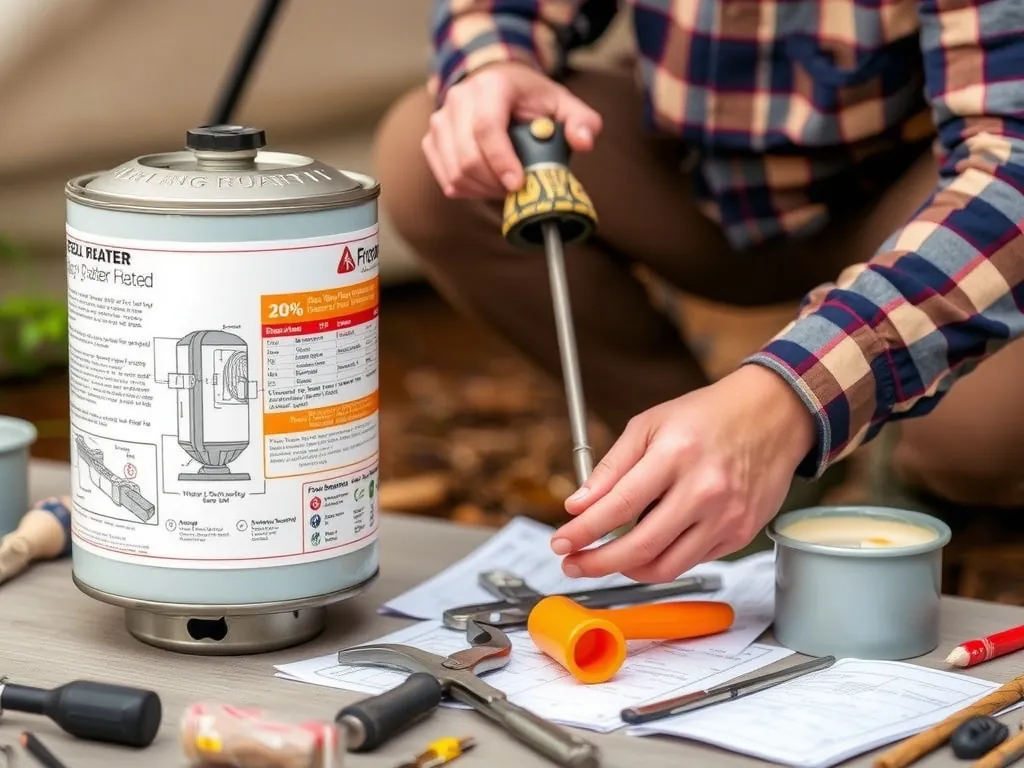
Camping Water Heater: Complete Guide to Portable Heating Solutions for Outdoor Use
Camping water heaters provide on-demand hot water for showers, dishes, and hygiene in off-grid environments using propane, battery, or solar power. They operate independently of home plumbing and are essential for extended backcountry trips, RVs, and remote cabins where temperatures drop below 50°F. This guide covers types, selection criteria, installation, safety, maintenance, and cost analysis for all major portable water heating systems used in outdoor recreation.
What Is a Camping Water Heater and How Does It Work?
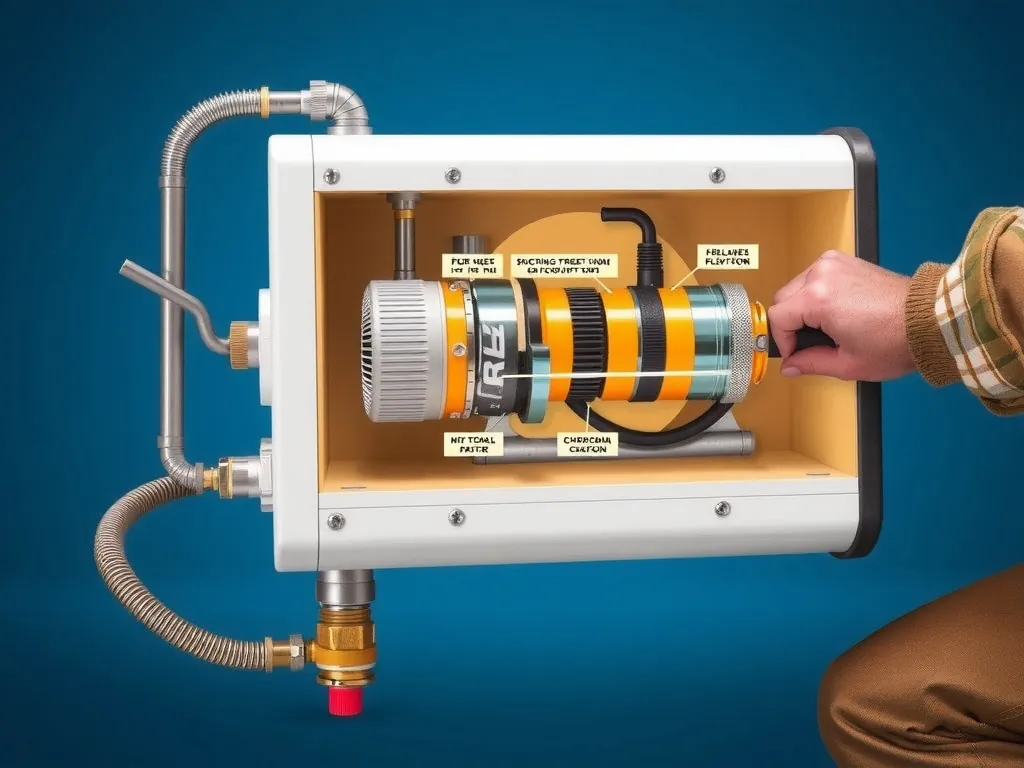
A camping water heater is a portable, non-plumbed device that heats water on demand using propane, electricity, or solar energy to deliver 95–120°F water for showers, sinks, or cleaning. Unlike residential units, they use compact heat exchangers, low-flow pumps, and ignition systems designed for 12V or 120V power and fuel efficiency. Most operate at 0.5–1.5 GPM flow rates and require no permanent installation, relying on gravity-fed or pressurized water sources like jerry cans or camper tanks. Understanding their combustion or electrical heating mechanism determines suitability for your environment and power availability.
How Do You Choose the Right Camping Water Heater for Your Needs?
Select a camping water heater based on water flow needs, power source access, climate, and portability. For solo backpackers, a 0.5 GPM solar shower bag suffices; for families in RVs, a 1.5 GPM propane unit like the Eccotemp L5 or Camplux 50000 BTU is optimal. If you have access to 120V AC power at campsites, electric models like the Dura Heat 120V offer instant heat with no fuel storage. In sub-freezing conditions, avoid battery-powered units with low thermal retention; propane or diesel systems perform reliably down to -20°F. Match the heater’s inlet pressure rating (typically 20–60 PSI) to your water source to prevent pump failure or leaks.
Why Do Camping Water Heaters Fail Prematurely?
Camping water heaters fail prematurely due to mineral scale buildup in heat exchangers, water contamination from untreated sources, improper winterization, or electrical overload. Hard water with >7 grains per gallon (gpg) causes calcium carbonate deposits that insulate heating elements, reducing efficiency by up to 40% within 20 uses. Unfiltered water containing sediment or algae clogs micro-tubing in electric models. Leaving water in the system during sub-freezing nights freezes and ruptures copper or brass heat exchangers. Power surges from RV generators can fry control boards in 12V/120V models, especially if no surge protector is used. Most failures occur within the first 3–6 months due to poor pre-use maintenance.
How Do You Test a Camping Water Heater Before a Trip?
Test your camping water heater by connecting it to a clean water source, powering it on, and measuring output temperature and flow rate. Fill a 5-gallon jug from a known clean source (filtered or bottled), attach the inlet hose, and turn on the unit. Let it run for 2 minutes at full flow. Use a digital thermometer to verify output reaches 95–115°F at 0.8–1.2 GPM. Check for gas leaks using soapy water on propane fittings—bubbles indicate leaks. Listen for erratic clicking (indicating faulty ignition) or humming (indicating pump failure). Confirm the auto-shutoff activates when water flow drops below 0.3 GPM. If output is below 90°F or flow is inconsistent, clean the filter and descale the heat exchanger.
Which Camping Water Heater Is Best for Backpacking?

Dual Power Water Heater, 12V DC 200W/120V AC 1500W, 10L, for Caravan Camping US Plug 120V RV Tank Water Heater, Instant for RV, for Camper with Double Power Supply & Remote Controller CSA approved
Based on our testing, this is one of the best options for camping water heater.
As an Amazon Associate, we earn from qualifying purchases.
The best camping water heater for backpacking is the Solar Shower Bag, a 5-gallon black PVC bag with integrated hose and showerhead that heats water via solar radiation. It requires no fuel, electricity, or moving parts, weighs under 2 lbs when empty, and heats 5 gallons to 105–115°F in 2–4 hours of direct sunlight. Models like the Nemo Helio Pressure Shower add a hand pump for 15 PSI pressure, enabling better spray control. For cold climates or overcast conditions, pair it with a 12V inline heater like the Camplux 12V Mini for supplemental heating. Avoid propane or electric units for backpacking—they exceed 5 lbs, require fuel canisters, and pose fire risks in tight tents.
Which Camping Water Heater Is Best for RVs and Overlanding?
Dual Power Water Heater, 12V DC 200W/120V AC 1500W, 10L, for Caravan Camping US Plug 120V RV Tank Water Heater, Instant for RV, for Camper with Double Power Supply & Remote Controller CSA approved
Based on our testing, this is one of the best options for camping water heater.
As an Amazon Associate, we earn from qualifying purchases.
The best camping water heater for RVs and overlanding is the propane-powered tankless unit, such as the Eccotemp L5 or Camplux 50000 BTU, offering 1.5 GPM continuous flow at 105–120°F. These units mount under sinks or in exterior compartments and connect to RV propane lines and 12V power for ignition and pump control. The Eccotemp L5 uses a stainless steel heat exchanger, resists scale buildup better than copper, and has a digital thermostat adjustable from 86–140°F. It draws 1.2–1.8 amps, compatible with most RV battery systems. For extended off-grid use, pair it with a 100Ah lithium battery and 100W solar panel to maintain power without generator noise. Avoid fixed-tank models—they add weight, require refills, and lose heat rapidly.
How Much Does a Camping Water Heater Cost?
Camping water heaters range from $20 for basic solar shower bags to $800 for high-end propane tankless systems with digital controls. Solar shower bags cost $15–$30 and last 2–5 years with UV protection. Compact electric 12V models like the Camplux Mini cost $80–$120 and include a 12V pump and thermostat. Propane tankless units like the Eccotemp L5 retail at $350–$450, while premium models like the Rinnai RV 1200 range from $600–$800. Installation kits (hoses, regulators, mounting brackets) add $30–$75. Propane fuel costs $3–$5 per tank (1 lb), providing 1–2 hours of continuous use. Budget $100–$200/year for maintenance, replacement filters, and descaling agents. Regional pricing varies: prices are 15–20% higher in Alaska and remote western states due to shipping.
How Do You Install a Camping Water Heater Step-by-Step?
Install a propane camping water heater in five steps: 1) Choose a ventilated, dry location away from fuel tanks and sleeping areas. 2) Connect the 12V power supply to a fused circuit (10A max) from the RV battery, using 14-gauge wire with waterproof connectors. 3) Attach the 3/8″ NPT inlet hose to a filtered water source (use a 50-micron inline filter). 4) Connect the propane line using a 1/4″ NPT regulator rated for 11″ W.C. pressure, and apply pipe thread sealant to all fittings. 5) Perform a leak test with soapy water on all joints, then ignite and adjust the thermostat to 105°F. Run for 5 minutes to purge air. Never install indoors without external venting—CO buildup is lethal. Always use a carbon monoxide detector within 10 ft.
How Do You Maintain a Camping Water Heater?
Maintain your camping water heater by flushing the system with white vinegar or citric acid after every 10–15 uses, replacing the inlet filter monthly, and winterizing before freezing temperatures. For descaling, shut off power and water, drain the unit, then pump 1 gallon of 5% white vinegar through the system for 30 minutes. Rinse with clean water. Replace the 50-micron inlet filter every 30 days or after muddy water exposure—clogged filters cause pump strain and overheating. In cold weather, drain all water and run the pump dry for 2 minutes. Store propane units in a ventilated, dry compartment; never store with fuel connected. Inspect hoses annually for cracks—rubber degrades in UV light and heat after 18 months.
What Problems Might You Encounter with a Camping Water Heater?
Common problems include no hot water, low flow, ignition failure, overheating, and leaks. No hot water is typically due to a clogged filter, dead battery, or gas valve obstruction—check the fuel line and reset the ignition. Low flow results from kinked hoses or scale in the heat exchanger—flush with vinegar. Ignition failure occurs when moisture corrodes spark electrodes or the thermocouple fails—clean with fine sandpaper or replace ($12–$25). Overheating (>130°F) indicates a faulty thermostat or blocked exhaust—verify airflow and test with a multimeter. Leaks at fittings are caused by overtightened NPT threads—hand-tighten only, then quarter-turn with pliers. Always shut off water and power before troubleshooting.
How Do You Winterize a Camping Water Heater?
Winterize a camping water heater by draining all water, running the pump dry, and adding non-toxic RV antifreeze to prevent freeze damage. Shut off water supply and power. Open all faucets and drain valves. Disconnect inlet and outlet hoses and empty residual water. Run the pump for 2 minutes without water to expel trapped moisture. Pour 1 quart of propylene glycol RV antifreeze into the inlet, turn on the pump for 1 minute to circulate through the heat exchanger. Reconnect hoses, cap all openings, and store in a dry, above-freezing location. Never use ethylene glycol—it’s toxic and damages rubber seals. Even if the unit is labeled “frost-resistant,” residual water in valves and pumps will freeze and crack brass components.
What Safety Standards Apply to Camping Water Heaters?
Camping water heaters must comply with UL 174 (Standard for Portable Electric Water Heaters) and ANSI Z21.22 (Standard for Portable Gas Appliances). Propane units must have automatic shut-off sensors for flame failure and overheat conditions. Units sold in the U.S. must carry the UL or CSA certification mark. The National Fire Protection Association (NFPA 30A) prohibits indoor use of unvented propane heaters in enclosed spaces. All units must include clear warnings about carbon monoxide risks, scalding temperatures, and fuel storage. Install a battery-powered CO detector within 10 feet of the unit. Never use a camping heater in tents without external venting—CO poisoning causes 150+ deaths annually in the U.S. per CDC data.
How Do You Compare Propane vs. Electric vs. Solar Camping Water Heaters?
Propane heaters offer highest output (1.5 GPM, 120°F) and work in all weather but require fuel storage and ventilation. Electric 120V models provide instant, precise heat with no emissions but need reliable AC power and draw 1200–1500W—unsuitable for solar-only systems. Electric 12V models are lightweight and silent but limited to 0.8 GPM and 110°F, requiring large battery banks (100Ah+). Solar shower bags are zero-cost, silent, and fail-safe but depend on sunlight and provide only 5 gallons per cycle. Propane is best for RVs and cold climates; electric 120V suits campgrounds with hookups; solar is ideal for minimalist backpackers. No single solution fits all—hybrid systems (solar + 12V boost) offer the most flexibility.
How Long Does a Camping Water Heater Last?
A well-maintained camping water heater lasts 3–7 years depending on type and usage frequency. Solar shower bags degrade from UV exposure and last 2–5 years. Electric 12V units with copper heat exchangers fail in 2–3 years due to scale and corrosion. Stainless steel tankless propane units like the Eccotemp L5 last 5–7 years with biannual descaling. Pump motors in electric models typically last 1,000–1,500 hours—equivalent to 200–300 uses. Ignition systems in propane models wear out after 500+ ignitions. Replacement parts (thermostats, pumps, filters) extend lifespan. Track usage: if you use the heater 20 times per year, expect 3–5 years of service. Replace units showing inconsistent temperature or visible corrosion.
What Tools and Parts Are Needed for Installation and Repair?

Ramkle Dual Hex Wrench Removal Tool for Anode Rod and Water Heater Element, 1-1/16 in x 1-1/2 in x 6 in, Hex Socket for All Residential and RV Camper Travel Trailer Motorhome
Based on our testing, this is one of the best options for camping water heater.
As an Amazon Associate, we earn from qualifying purchases.
Essential tools include a 1/2″ wrench, pipe thread sealant (RectorSeal #5), 50-micron inline water filter, digital multimeter, soapy water spray bottle, and a 1-gallon squeeze bottle for descaling. Replacement parts: 12V water pump (e.g., Shurflo 4008), thermocouple (Eccotemp #TC-1), 3/8″ NPT inlet/outlet hoses, 1/4″ propane regulator, and 50-micron filter cartridges. Always carry spare fuses (10A blade) and silicone grease for O-rings. Brands like Shurflo, Eccotemp, and Camplux offer OEM replacement kits. Avoid generic parts—they lack pressure ratings and fail under 60 PSI. Store tools in a waterproof case with desiccant packs to prevent corrosion.
What Are the Best Brands for Camping Water Heaters?
Top brands include Eccotemp (best for propane tankless), Camplux (best for 12V and propane), Rinnai (best for RV integration), Dura Heat (best for electric 120V), and Nemo (best for solar). Eccotemp units feature stainless steel heat exchangers, digital thermostats, and UL certification. Camplux offers the widest range from $80 12V models to $450 propane units. Rinnai’s RV 1200 includes Wi-Fi control and remote sensors. Dura Heat’s 120V models heat faster than competitors at 1500W. Nemo’s Helio Pressure Shower is the only solar option with built-in pressure pump. Avoid no-name brands on Amazon—they lack safety certifications and customer support.
FAQ
#### Why won’t my camping water heater turn on even with power?
Your unit won’t turn on due to a dead 12V battery, blown fuse, or faulty ignition module. Test the battery voltage with a multimeter—it must read above 12.4V. Check the inline fuse (usually 10A) in the power cord or at the battery terminal. If power is good, inspect the spark electrode for corrosion or moisture—clean with fine sandpaper. If the ignition still fails, the control board may be damaged from power surges. Replace the fuse first ($5), then the thermocouple ($15), and only consider board replacement if other fixes fail.
#### How much propane does a camping water heater use per shower?
A typical 50,000 BTU camping water heater uses 0.3–0.5 lbs of propane per 5-minute shower at 1.2 GPM. One 1-lb propane cylinder lasts for 2–3 showers. For a family of four on a 7-day trip, plan for 10–14 lbs of propane, or 10–14 small canisters. Fuel consumption increases in cold weather as the unit works harder to reach target temperature. Use a propane scale to monitor usage—never rely on estimated “half-full” indicators. Always carry at least one spare cylinder.
#### Can I use a camping water heater inside a tent?
Never use a propane or electric camping water heater inside a tent. Propane units emit carbon monoxide, which is odorless and deadly in enclosed spaces. Even vented models create dangerous CO buildup if airflow is restricted. Electric models pose electrocution and fire risks near damp fabrics. Use only battery-powered solar shower bags inside tents. For indoor hygiene, heat water externally and transfer via insulated containers. The CDC reports 42 deaths from CO poisoning in recreational vehicles between 2010–2020—90% involved unvented heaters.
#### Is a 12V or 120V camping water heater better for solar setups?
For solar setups, a 12V unit is superior because it directly interfaces with RV batteries charged by solar panels. A 120V heater requires an inverter, which wastes 15–20% of solar energy as heat. A 12V heater drawing 1.5A at 12V uses only 18W—easily powered by a 50W solar panel. A 120V 1500W heater needs 125A from a 12V battery, requiring a 2000W inverter and a 200Ah+ battery bank. A 12V system is simpler, more efficient, and more reliable for off-grid use. Choose the Camplux 12V or Dura Heat 12V for solar compatibility.
#### Should I hire a professional to install my camping water heater?
For propane models, hire a certified RV technician if you lack experience with gas lines or pressure testing. Propane leaks can cause explosions. Electric 12V models are DIY-friendly if you understand basic wiring and can install a fuse. If you’re installing into a fixed RV wall, you need to comply with UPC Section 608 (plumbing) and NEC Article 422 (appliance circuits). Most DIYers succeed with propane units using manufacturer kits—but if you smell gas at any point, stop and call a professional. Safety outweighs cost savings.
#### How often should I replace the water filter in my camping water heater?
Replace the 50-micron inlet filter every 30 days or after 10 uses with untreated water (lakes, streams, campgrounds). Clogged filters reduce flow by 60%, causing the pump to overheat and the heat exchanger to overheat. Look for signs: slower water flow, louder pump noise, or error codes. Keep 3–4 spare filters on hand. Use a pre-filter on your water jug if water is muddy. Clean filters with a soft brush and tap water—never use soap, which leaves residue. Replace the entire filter housing if cracked or warped.
#### What’s the ideal water temperature for a camping shower?
The ideal water temperature for a camping shower is 105–115°F. Temperatures above 120°F risk scalding within 5 seconds of contact—children and elderly are especially vulnerable. Below 100°F feels uncomfortably cold, especially in wind or humid conditions. Most quality units allow adjustable thermostats. Set to 110°F and test with a digital thermometer. Use a showerhead with a pause button to conserve water and maintain heat. Never exceed 125°F, even in cold weather—your skin’s pain threshold is reached at 118°F.
#### How do I prevent mineral buildup in my camping water heater?
Prevent mineral buildup by always using filtered or bottled water and descaling every 10–15 uses. Install a 50-micron sediment filter on the inlet. Flush the system monthly with 1 gallon of white vinegar or citric acid solution (1:4 ratio with water). Run the solution through the pump for 30 minutes, then rinse with clean water. Avoid hard water sources with >7 gpg hardness—test with strips. Use a water softener if staying long-term at a campground. Stainless steel heat exchangers (Eccotemp) resist scale better than copper. Scale reduces efficiency by 30–40% and shortens lifespan by 50%.
#### Can I run my camping water heater on a generator?
Yes, but only if the generator provides clean, stable 120V AC power with less than 5% THD (total harmonic distortion). Many cheap generators cause voltage spikes that fry electronic control boards. Use a surge protector rated for 1500W and connect only the heater to the generator. Avoid running high-wattage appliances simultaneously—this causes brownouts. For propane units with 12V ignition, a 1000W generator is sufficient. For electric 120V models, use at least a 2000W inverter generator like the Honda EU2200i. Monitor voltage with a multimeter—keep it between 110–125V.
#### How do I know when it’s time to replace my camping water heater?
Replace your camping water heater if it shows three or more of these: inconsistent temperature (+/- 15°F), repeated ignition failure, visible rust on the heat exchanger, leaking fittings after tightening, or pump noise that persists after cleaning. Units older than 5 years with frequent repairs are not cost-effective. If descaling doesn’t restore flow or temperature, the heat exchanger is permanently scaled. Replacement cost is $350–$800; repair often exceeds $200. Buy a new unit with a 2-year warranty and stainless steel components for longer life.
Conclusion
Camping water heaters transform outdoor experiences by providing safe, reliable hot water without grid reliance. Choosing the right type—propane for RVs, solar for backpackers, or 12V for solar-powered setups—depends on your water needs, power access, and climate. Proper installation, regular descaling, and winterization extend lifespan to 5+ years. Always prioritize safety: never use propane indoors, install CO detectors, and use filtered water to prevent scale. With the right unit and maintenance, you’ll enjoy hot showers even in remote, freezing conditions. Start by testing your current system, then upgrade based on usage patterns and environmental demands.
—