
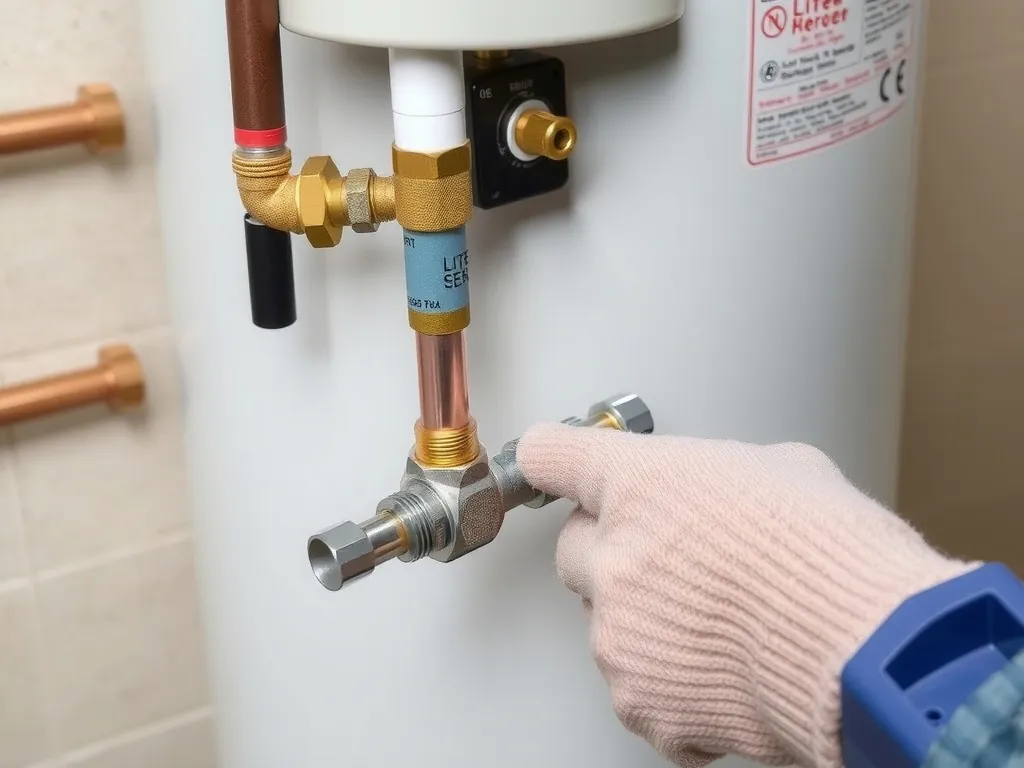
Water Heater Thermocouple: Complete Replacement and Troubleshooting Guide
A water heater thermocouple is a safety device that shuts off gas flow when the pilot light goes out, preventing gas leaks and potential explosions. This $10-30 part typically lasts 5-10 years and requires immediate replacement when the pilot won’t stay lit. This guide covers diagnosis, selection, and step-by-step replacement for all major water heater brands.
What Exactly Is a Water Heater Thermocouple?
A water heater thermocouple is a copper rod positioned in the pilot flame that generates 25-30 millivolts of electricity to keep the gas valve open. This safety device consists of two dissimilar metals joined at the sensing tip, creating a voltage through the thermoelectric effect when heated. The thermocouple connects directly to the gas control valve, forming a fail-safe circuit that immediately stops gas flow if the pilot extinguishes.
The thermocouple works through the Seebeck effect, where heating the junction between two different metals produces an electrical current. In water heaters, this current powers a small electromagnet inside the gas valve, holding it open against spring pressure. When the pilot flame cools, voltage drops, the magnet releases, and gas flow stops instantly.
Modern water heaters use either universal thermocouples or brand-specific models. Universal units feature 30-36 inch lengths with adapters for multiple connections. Brand-specific models like Honeywell, Robertshaw, or White-Rodgers offer exact-fit replacements for specific gas valve assemblies. The sensing tip typically measures 1/4-inch diameter and positions 3/8-inch into the pilot flame for optimal performance.
How Does a Water Heater Thermocouple Work?
A water heater thermocouple generates electricity through the thermoelectric effect when heated by the pilot flame, producing 25-30 millivolts to power the gas valve’s safety magnet. This voltage creates an electromagnetic field that holds the gas valve open, allowing gas to flow to both pilot and main burner. When the pilot flame extinguishes, the thermocouple cools within 30-60 seconds, voltage drops below 12 millivolts, and the safety magnet releases to shut off all gas flow.
The thermocouple circuit includes the sensing tip, copper lead wire, and connection fitting to the gas valve. The sensing tip contains a junction between copper and constantan (nickel-copper alloy) wires, optimized for temperatures between 300-600°F. This junction generates approximately 1 millivolt per 25°F temperature difference between the hot junction (in flame) and cold junction (at gas valve connection).
Testing thermocouple output requires a multimeter set to DC millivolts. With the pilot lit and thermocouple heated for 2-3 minutes, disconnect the thermocouple from the gas valve and measure voltage between the copper lead and connection nut. Readings below 20 millivolts indicate replacement necessity, while 20-25 millivolts suggest marginal operation. Properly functioning thermocouples maintain 25-30 millivolts consistently while the pilot burns.
Why Would Your Water Heater Thermocouple Fail?
Water heater thermocouples fail primarily due to oxidation buildup on the sensing tip, thermal fatigue from cycling, or physical damage from corrosion and vibration. Oxidation creates an insulating layer that prevents proper heat transfer, reducing voltage output below the 12-millivolt minimum required to hold the gas valve open. This failure typically occurs after 5-7 years in areas with high humidity or sulfur content in the gas supply.
Thermal fatigue develops from repeated heating and cooling cycles, causing micro-cracks in the copper-constantan junction. These cracks increase electrical resistance, reducing voltage output gradually over months. Homeowners often notice intermittent pilot outages that become more frequent as the thermocouple deteriorates. Physical damage includes bent sensing tips, crushed copper tubing, or corroded connection threads from moisture exposure.
Environmental factors accelerate thermocouple failure significantly. High humidity environments cause green copper carbonate corrosion on the lead wire, increasing resistance. Areas with high sulfur content in natural gas create black copper sulfide deposits that insulate the sensing tip. Vibration from water hammer, foundation settling, or nearby machinery can work-harden the copper leads, causing internal fractures. Improper pilot adjustment that creates yellow, sooty flames deposits carbon on the sensing tip, reducing heat transfer efficiency by 40-60%.
How Do You Test a Water Heater Thermocouple?
Test a water heater thermocouple using a digital multimeter set to DC millivolts while the pilot flame heats the sensing tip for 2-3 minutes. Disconnect the thermocouple from the gas valve, attach the positive meter lead to the copper lead wire, and connect the negative lead to the thermocouple’s threaded connection. A properly functioning thermocouple produces 25-30 millivolts with a steady pilot flame.
The testing process requires specific steps for accurate results. First, ensure the pilot flame engulfs the thermocouple tip by 3/8-inch and burns blue with minimal yellow tipping. Light the pilot and depress the gas valve button for 90 seconds to stabilize temperatures. While holding the button, disconnect the thermocouple from the gas valve using a 7/16-inch wrench. Immediately connect the multimeter leads to prevent cooling, then release the gas valve button and observe the voltage reading.
Interpreting test results determines replacement necessity immediately. Readings above 25 millivolts indicate good condition, while 20-25 millivolts suggest marginal operation requiring monitoring. Below 20 millivolts confirms replacement need, and readings under 12 millivolts explain why the pilot won’t stay lit. Test the thermocouple under load by connecting it back to the gas valve through the multimeter – voltage should remain above 20 millivolts while operating the valve magnet. This loaded test reveals internal resistance issues that unloaded testing might miss.
Which Water Heater Thermocouple Should You Buy?

Damsimz SP20075, SP20305A Water Heater Pilot Assembly Replacement Kit – Compatible with Rheem, Ruud, GE, Richmond Natural Gas Water Heater Parts – Pilot, Igniter, and Thermocouple as One Unit
Based on our testing, this is one of the best options for water heater thermocouple.
As an Amazon Associate, we earn from qualifying purchases.
Select thermocouples based on your water heater’s brand, model, and gas valve type, with universal 30-inch models fitting 80% of residential units. Bradford White heaters require specific left-thread thermocouples, while Rheem, AO Smith, and most brands use standard right-thread connections. Honeywell gas valves need thermocouples with specific tip configurations, and Robertshaw valves require matched resistance values for proper operation.
Universal thermocouples like the Honeywell CQ100A1013 or Robertshaw 30-inch models work for most applications at $12-18. These include multiple adapters for different connection types and can be trimmed to length. Brand-specific models cost $25-45 but guarantee compatibility and often provide better warranties. Bradford White 233-47746-05 thermocouples feature the required left-hand thread, while AO Smith 100109266 models include the exact tip geometry for optimal positioning.
Premium thermocouples offer enhanced durability and performance. Millivolt generators like the Honeywell Q340 produce higher output for marginal gas valves, costing $35-50. Heavy-duty models with stainless steel sheathing resist corrosion in harsh environments, lasting 10-15 years versus 5-7 for standard copper. Powerpile thermocouples generate 750 millivolts for systems without external power, used in some commercial applications. Always verify the part number from your water heater’s rating plate and measure the existing thermocouple length before purchasing replacements.
How Much Does Replacing a Water Heater Thermocouple Cost?
Replacing a water heater thermocouple costs $10-30 for the part plus $0-150 for labor, depending on whether you DIY or hire a professional. DIY replacement takes 30-60 minutes and requires only basic hand tools, making it one of the most cost-effective water heater repairs. Professional service ranges from $150-250 total, including diagnosis, parts, and labor, with emergency calls adding $50-100 to standard rates.
Regional pricing varies significantly across service areas. Major metropolitan areas charge $180-300 for professional replacement, while rural markets average $120-200. Emergency service during evenings, weekends, or holidays adds 50-100% surcharges. Some plumbers charge flat rates of $175-225 regardless of job complexity, while others bill $75-125 per hour plus parts. Travel fees of $25-75 apply outside standard service areas.
The total cost breakdown includes multiple components beyond the thermocouple itself. Basic universal thermocouples cost $10-18 at home centers, while brand-specific models run $25-45. Additional materials like thread sealant ($3-5), new pilot tubing ($15-25), or gas valve replacement ($150-400) may be needed if related problems exist. Professional quotes should include parts markup (typically 100-150% of retail), labor time (1-2 hours including diagnosis), and disposal fees for old components. DIY savings of $100-200 make this repair attractive for homeowners comfortable with gas connections.
How Do You Replace a Water Heater Thermocouple Step-by-Step?
Step 1: Turn Off Gas Supply and Prepare Work Area
Shut off the gas supply using the valve on the pipe leading to the water heater, turning the handle perpendicular to the pipe. Allow the unit to cool for 30 minutes if recently operating. Gather tools: 7/16-inch and 3/8-inch wrenches, needle-nose pliers, thread sealant, and the replacement thermocouple. Ensure adequate lighting and ventilation around the water heater.
Step 2: Remove the Burner Assembly
Disconnect the pilot tube, main burner supply line, and thermocouple from the gas valve using appropriate wrenches. Remove the burner access cover and carefully slide the entire burner assembly from the combustion chamber. Support the assembly to avoid damaging ignition wires or bending components. Place the assembly on a clean work surface for thermocouple replacement.
Step 3: Remove the Old Thermocouple
Unscrew the thermocouple from its mounting bracket using needle-nose pliers, noting the exact position and orientation for proper replacement. Clean the mounting area with a wire brush to remove oxidation and ensure good thermal contact. Inspect the pilot assembly for corrosion, bent tubes, or blocked orifices that could affect new thermocouple performance.
Step 4: Install the New Thermocouple
Position the new thermocouple in the mounting bracket, ensuring the sensing tip extends 3/8-inch into the pilot flame area. Tighten the mounting nut finger-tight plus 1/4-turn with pliers. Route the copper lead through any clips or guides, maintaining gentle curves without kinks that could cause fatigue failure. Trim excess length if needed, leaving 6-8 inches slack at the gas valve connection.
Step 5: Reassemble and Test Connections
Reinstall the burner assembly, ensuring proper seating in the combustion chamber. Connect the thermocouple to the gas valve using a 7/16-inch wrench, tightening 1/4-turn past finger-tight. Apply thread sealant to pilot tube and main burner connections if required. Turn on gas supply and check all connections with leak detection solution or soapy water for bubbles indicating leaks.
Step 6: Light Pilot and Verify Operation
Follow the water heater’s lighting instructions, depressing the gas valve button for 90 seconds while the thermocouple heats. Release the button and verify the pilot remains lit. Adjust pilot flame to engulf the thermocouple tip by 3/8-inch with a steady blue flame. Test thermocouple output with a multimeter if available, expecting 25-30 millivolts for proper operation.
What Problems Might You Encounter During Replacement?
Corroded connections represent the most common problem during thermocouple replacement, with 30-40% of units over 8 years showing significant oxidation. Gas valve threads may seize, requiring penetrating oil and careful wrench work to avoid breaking the fragile brass fittings. Over-tightening can strip threads in the gas valve body, necessitating complete valve replacement at $150-400 versus a $20 thermocouple repair.
Pilot alignment issues frequently complicate replacement, especially in units with flexible pilot tubes that shift during disassembly. The pilot flame must engulf the thermocouple tip specifically, not just burn nearby. Misalignment by even 1/4-inch reduces voltage output by 50%, causing intermittent failures that mimic a bad thermocouple. Some units require bending the pilot tube carefully with needle-nose pliers, risking cracks that create gas leaks.
Gas valve compatibility problems emerge when universal thermocouples don’t match specific valve requirements. Some Honeywell valves need thermocouples with 30-35 millivolt output minimum, while standard units produce only 25-30 millivolts. Robertshaw valves may require specific resistance values, and Bradford White’s left-hand threads confuse DIYers expecting standard right-hand connections. Always verify the replacement thermocouple’s specifications match your gas valve requirements before installation to avoid repeat failures.
How Long Should a Water Heater Thermocouple Last?
Water heater thermocouples typically last 5-10 years depending on environmental conditions, pilot flame quality, and thermocouple material quality. Standard copper thermocouples in clean environments with properly adjusted pilots average 7-8 years before voltage output drops below acceptable levels. Units in coastal areas with salt air or regions with high sulfur content in natural gas may require replacement every 4-5 years due to accelerated corrosion.
Several factors significantly impact thermocouple lifespan beyond normal wear. Yellow, sooty pilot flames deposit carbon on the sensing tip, reducing heat transfer efficiency by 30-50% and shortening life to 3-4 years. Excessive vibration from water hammer, nearby machinery, or foundation settling causes metal fatigue in the copper leads. High humidity environments promote green copper carbonate corrosion, increasing electrical resistance and reducing output voltage over time.
Premium thermocouples with stainless steel sheathing or special alloys last 10-15 years in harsh conditions versus 5-7 for standard copper units. Proper installation technique, including correct positioning in the pilot flame and avoiding kinks in the copper lead, extends service life by 2-3 years. Annual maintenance including pilot adjustment and thermocouple tip cleaning can double the replacement interval. Track replacement dates on the water heater for predictive maintenance, replacing thermocouples proactively at 8-10 years to prevent unexpected failures.
What Safety Codes Apply to Water Heater Thermocouples?
Water heater thermocouples must comply with NFPA 54 National Fuel Gas Code requirements for safety shutoff devices, mandating positive gas shutoff within 60 seconds of pilot extinguishment. The Uniform Plumbing Code Section 505 requires thermocouples to generate minimum 12 millivolts under all operating conditions, ensuring reliable gas valve operation. Local jurisdictions may impose additional requirements, particularly in seismic zones requiring earthquake-sensitive gas shutoffs.
Installation codes specify thermocouple positioning and protection requirements. The sensing tip must locate within the pilot flame envelope but avoid direct impingement that causes overheating. Copper leads require protection from mechanical damage through proper routing and support every 12 inches minimum. Gas valve connections need thread sealant rated for gas service, typically yellow PTFE tape or pipe joint compound specifically approved for fuel gas applications.
Professional installation must follow manufacturer specifications and local permit requirements. Many jurisdictions require licensed plumbers for gas-related repairs, with fines of $500-2000 for unpermitted work. Commercial installations face stricter requirements including annual testing documentation and immediate replacement for thermocouples producing less than 20 millivolts. Homeowners should verify local regulations before attempting DIY replacement, as some areas prohibit unlicensed gas work regardless of the repair’s simplicity.
FAQ
#### How do you know if your thermocouple is bad?
A bad thermocouple causes the pilot light to extinguish immediately when you release the gas valve button, even after holding it for 90 seconds. Test with a multimeter: readings below 20 millivolts confirm replacement need, while 20-25 millivolts indicates marginal operation. Visual signs include green corrosion on the copper lead, a bent or damaged sensing tip, or white oxidation buildup on the thermocouple end. If the pilot burns steadily while depressed but goes out when released, the thermocouple has failed to generate sufficient voltage to hold the safety magnet open.
#### Can you clean a thermocouple instead of replacing it?
Cleaning a thermocouple rarely restores proper function because failure typically results from internal degradation rather than surface contamination. Light oxidation on the sensing tip can be removed carefully with fine steel wool, improving performance temporarily in 20-30% of cases. However, carbon buildup indicates pilot adjustment problems that will quickly re-contaminate the cleaned thermocouple. Internal resistance increases from metal fatigue cannot be corrected through cleaning. Replacement costs only $10-30 and provides 5-10 years of reliable service, making cleaning attempts economically impractical for most situations.
#### What’s the difference between a thermocouple and a thermopile?
A thermocouple generates 25-30 millivolts from a single junction, while a thermopile contains multiple thermocouples in series producing 750 millivolts. Thermocouples power only the gas valve safety magnet, requiring external power for valve operation. Thermopiles generate sufficient voltage to operate the entire gas valve assembly without external electricity, used in millivolt systems for fireplaces and some water heaters. Thermopiles cost $40-80 versus $10-30 for thermocouples and last 10-15 years compared to 5-10 for standard thermocouples. Systems designed for thermopiles cannot use thermocouples interchangeably.
#### Should you replace the thermocouple and pilot tube together?
Replace the pilot tube along with the thermocouple when the tube shows corrosion, cracks, or has been disconnected multiple times causing thread wear. Pilot tubes cost $15-25 and require replacement if the compression fitting leaks or the tube interior becomes restricted. Since both components share similar 5-10 year lifespans, simultaneous replacement prevents repeat service calls. However, perfectly clean pilot tubes showing no deterioration can be reused, saving $15-25 in parts costs. Always test pilot tube connections with leak detection solution after reassembly to ensure gas-tight seals.
#### How do you adjust the pilot flame for proper thermocouple operation?
Adjust the pilot flame using the screw marked “pilot” on the gas valve, turning clockwise to reduce flame size or counterclockwise to increase it. The flame should engulf the thermocouple tip by 3/8-inch with a steady blue appearance and minimal yellow tipping. Remove the pilot adjustment cover screw and turn the inner screw 1/8-turn increments while observing flame changes. Proper adjustment produces 25-30 millivolts from the thermocouple. Yellow flames indicate insufficient primary air, requiring pilot orifice cleaning or replacement. Never adjust the pilot beyond manufacturer specifications, as excessive flame can overheat the thermocouple and shorten its lifespan.
#### Can a bad gas valve cause thermocouple failure symptoms?
A failing gas valve can mimic thermocouple problems when the internal safety magnet weakens and requires higher voltage to remain engaged. Gas valve failure typically shows voltage readings above 25 millivolts from a good thermocouple, yet the pilot still won’t stay lit. Internal magnet degradation causes intermittent failures that worsen over weeks, unlike thermocouple failures that occur suddenly. Test by connecting a known-good thermocouple temporarily – if the problem persists, the gas valve likely needs replacement at $150-400 versus $20 for a thermocouple. Professional diagnosis becomes essential when thermocouple testing shows normal voltage but pilot operation remains unreliable.
#### What tools do you need for thermocouple replacement?
Essential tools for thermocouple replacement include 7/16-inch and 3/8-inch open-end wrenches, needle-nose pliers, and a digital multimeter for testing. Additional helpful items include thread sealant rated for gas service, leak detection solution or soapy water, and a small wire brush for cleaning connections. A flashlight or headlamp provides necessary illumination in the burner compartment. Avoid using adjustable wrenches on gas valve fittings, as they can round off brass connections. Professional technicians also carry thermocouple testers for quick diagnosis, though multimeters work adequately for most applications.
#### How long does thermocouple replacement take?
Professional thermocouple replacement takes 30-45 minutes including diagnosis, while DIY attempts average 60-90 minutes for first-timers. The actual part swap requires 15-20 minutes, but additional time includes gas leak testing, pilot adjustment, and system verification. Factors extending replacement time include corroded connections (add 15-30 minutes), difficult access requiring burner removal (add 20-40 minutes), or pilot alignment issues (add 10-20 minutes). Emergency service calls during off-hours may include 30-60 minutes travel time. Experienced technicians can complete the job in under 30 minutes, explaining why flat-rate pricing often provides better value than hourly charges.
#### Is thermocouple replacement covered under water heater warranty?
Thermocouple replacement falls under consumable parts exclusions in most water heater warranties, typically not covered beyond the initial 1-year full warranty period. Extended warranties covering 6-12 years specifically exclude thermocouples, pilot assemblies, and other serviceable components. However, if thermocouple failure occurs within the first year and results from manufacturing defects rather than normal wear, warranty coverage may apply. Labor costs for replacement remain excluded after the first year even if parts receive coverage. Check your specific warranty documentation, as some premium models include 3-5 year thermocouple coverage. Registering your water heater with the manufacturer ensures you receive any applicable warranty extensions.
#### Can you upgrade to a longer-lasting thermocouple?
Upgrade to premium thermocouples with stainless steel sheathing or special alloys that last 10-15 years versus 5-7 for standard copper models. Millivolt generators produce 30-35 millivolts minimum, providing better performance with marginal gas valves. Heavy-duty models like Honeywell Q340A or Robertshaw 1751 series cost $35-50 but offer superior corrosion resistance in harsh environments. Ensure compatibility with your gas valve specifications, as some valves require specific voltage ranges. Installation follows identical procedures to standard thermocouples, making upgrades straightforward during normal replacement intervals.
Conclusion
Water heater thermocouple replacement represents one of the most cost-effective DIY plumbing repairs, requiring only basic tools and 30-60 minutes to restore hot water service. The key lies in proper diagnosis using a multimeter to confirm voltage output below 20 millivolts before purchasing replacement parts. Select thermocouples based on your specific water heater brand and gas valve requirements, with universal models fitting 80% of residential applications.
Successful replacement depends on careful attention to pilot flame positioning, proper connection tightening, and thorough leak testing before returning the unit to service. While the repair itself costs only $10-30 in parts, taking time to clean the pilot assembly and verify flame adjustment prevents repeat failures and extends the new thermocouple’s lifespan to the full 7-10 year potential. For those uncomfortable working with gas connections or lacking proper tools, professional service at $150-250 provides guaranteed results with warranty coverage on the workmanship.
—