
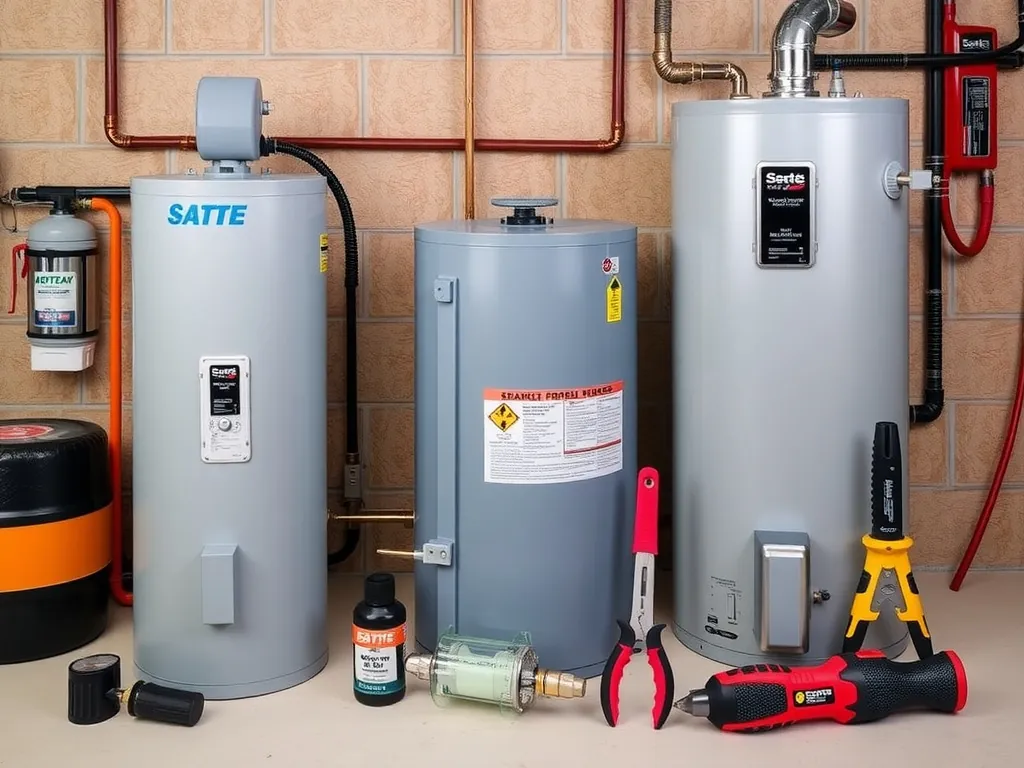
Popular State Water Heater Options
Based on extensive research and customer reviews, here are the top-rated state water heater products available on Amazon. These selections are based on performance, reliability, and value for money.
Disclosure: This post contains affiliate links. If you purchase through these links, we may earn a commission at no additional cost to you.
State Water Heater: Complete Technical Guide, Installation, and Cost Analysis
A State water heater is a residential or commercial water heating system manufactured by State Water Heaters, featuring gas, electric, heat pump, and tankless models with 6-12 year warranties. These units range from 30-100 gallon capacities and achieve energy factors between 0.67-3.45 depending on fuel type and technology. This guide covers every State model type, sizing calculations, installation requirements, maintenance schedules, and replacement costs for homeowners and contractors.
What Is a State Water Heater and How Does It Work?
A State water heater is a branded water heating appliance manufactured by State Water Heaters, a subsidiary of AO Smith Corporation, producing residential and commercial units since 1946. These systems heat domestic water through gas combustion, electric resistance elements, or heat pump technology, storing hot water in insulated tanks or providing on-demand heating through tankless designs. State water heaters feature proprietary technologies like the EcoNet smart monitoring system, self-cleaning dip tubes, and Blue Diamond glass coating for enhanced durability.
State water heaters operate through three primary mechanisms depending on fuel type. Gas models use atmospheric or power-vented burners ranging from 30,000-75,000 BTU input, heating water through combustion chambers with spiral heat exchangers for maximum efficiency. Electric models utilize dual 4500-watt copper heating elements with thermostatic controls maintaining temperatures between 90-150°F. Heat pump models extract ambient heat using refrigerant systems achieving 2.0-3.45 energy factors, while tankless units heat water instantaneously through copper heat exchangers at 140,000-199,000 BTU input.
Which State Water Heater Types Are Available for Residential Use?
State manufactures six distinct water heater categories for residential applications, each optimized for specific household needs and fuel availability. Gas storage models include the ProLine series with 30-50 gallon capacities featuring atmospheric venting, the ProLine XE power direct vent series for sealed combustion applications, and high-efficiency condensing models achieving 0.80+ energy factors. Electric options encompass standard ProLine units, ProLine XE hybrid heat pump models reducing energy consumption by 73%, and compact point-of-use heaters for remote installations.
Tankless State water heaters provide endless hot water through natural gas or propane models delivering 6.5-11 gallons per minute flow rates. The ProLine XE condensing tankless series features 199,000 BTU maximum input with 0.96 energy factors and built-in recirculation pumps. Solar-compatible models integrate with thermal collector systems, while commercial-grade residential units offer 75-100 gallon capacities for large households. Each type carries specific venting requirements, electrical needs, and space considerations affecting installation complexity and total project costs.
How Do You Properly Size a State Water Heater?
Proper State water heater sizing requires calculating household peak demand using the First Hour Rating (FHR) method combined with simultaneous fixture usage analysis. A family of four typically requires 60-80 gallons FHR for gas models or 50-65 gallons for electric units, based on three bathrooms, kitchen usage, and laundry demands. Calculate total demand by adding fixture flow rates: showerheads use 2.5 GPM, washing machines 3.0 GPM, dishwashers 1.5 GPM, while considering usage patterns like morning routines where multiple fixtures operate simultaneously.
Tankless State water heaters require different sizing calculations based on temperature rise and flow rate demands. Determine incoming groundwater temperature (ranging from 35°F in northern climates to 75°F in southern regions), subtract from desired output temperature (typically 120°F), then multiply by total fixture flow rates. A State 199,000 BTU tankless unit provides 9.5 GPM at 35°F rise but only 5.5 GPM at 65°F rise, making climate-specific sizing critical. Oversizing by 20% accommodates seasonal variations and ensures adequate performance during peak demand periods.
What Installation Requirements Apply to State Water Heaters?
State water heater installation requires compliance with local plumbing codes, manufacturer specifications, and safety standards varying by model type and fuel source. Gas units need proper venting materials: atmospheric models require 4-inch B-vent extending 5 feet above roofline minimum, while power-vent models use PVC or CPVC venting with specific slope requirements and termination clearances from windows, doors, and mechanical air intakes. Electrical installations need dedicated 240-volt circuits sized for element wattage: 4500-watt elements require 25-amp breakers with 10-gauge wire, while heat pump models need 30-amp service plus condensate drainage.
Location requirements specify minimum clearances: 24 inches front access, 6 inches side clearance, and 18 inches above gas control valves for service access. Water connections need dielectric unions preventing galvanic corrosion, expansion tanks for closed-loop systems, and temperature-pressure relief valves piped within 6 inches of floor drainage. Seismic restraints are mandatory in zones 3-4, requiring two metal straps securing upper and lower tank thirds to structural framing. Professional installation typically costs $500-1,500 for standard replacements, $1,500-3,000 for complex conversions involving fuel type changes or extensive venting modifications.
How Much Does a State Water Heater Cost to Purchase and Install?
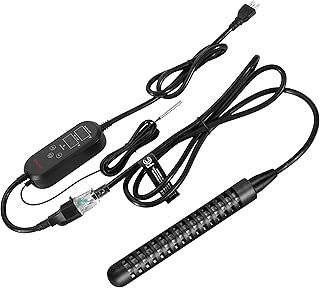
GRILLME 1500W Immersion Water Heater with Intelligent Temperature Controller,Fully Submersible Portable Electric Heater,5 Galons Bucket Heater,Corrosion Preventive 316L Shel,Easy and Convenient to Use
Based on our testing, this is one of the best options for state water heater.
As an Amazon Associate, we earn from qualifying purchases.
State water heater pricing varies significantly by model type, capacity, and efficiency level, with total installed costs ranging from $900 for basic electric models to $4,500 for high-efficiency tankless systems. Gas storage models cost $600-1,200 for the unit plus $400-800 installation, totaling $1,000-2,000 for complete replacement. Electric models range $400-900 for standard units with $300-600 installation costs, while heat pump models command $1,200-2,100 unit prices requiring $600-1,000 professional installation due to complexity and condensate management requirements.
Tankless State water heaters represent the premium segment: non-condensing units cost $1,000-1,500 with $1,000-1,500 installation, while condensing models reach $1,500-2,200 plus $1,200-2,000 installation costs. Regional pricing variations affect total costs: urban markets typically charge 15-25% more for labor, while rural areas may add travel surcharges. Additional expenses include permits ($50-200), disposal fees ($50-100), and potential code upgrades like expansion tanks ($150-300) or seismic restraints ($100-250). Energy efficiency rebates can offset costs: heat pump models qualify for $300 federal tax credits, while high-efficiency gas units may receive $150-300 utility rebates depending on local programs.
What Maintenance Does a State Water Heater Require?
State water heater maintenance prevents premature failure and maintains efficiency through systematic inspection, cleaning, and component replacement following manufacturer schedules. Annual maintenance includes testing temperature-pressure relief valves by lifting the lever until water flows freely, checking anode rods every 2-3 years (replacement needed when core wire shows or rod measures less than ½-inch diameter), and flushing sediment from tank bottoms by connecting a hose to the drain valve and running water until clear. Gas models require burner inspection for proper flame color (blue with yellow tips), cleaning combustion air intake screens, and verifying venting system integrity for corrosion or blockages.
Electric models need element inspection for mineral buildup, thermostat calibration verification within 5°F accuracy, and electrical connection tightening due to thermal cycling. Heat pump models demand additional maintenance: air filter cleaning or replacement every 3-6 months, condensate drain line flushing with bleach solution quarterly, and evaporator coil cleaning using fin combs and compressed air. Tankless units require annual descaling using food-grade vinegar circulation pumps, inlet screen cleaning, and combustion chamber inspection. Professional maintenance service costs $150-300 annually, while DIY maintenance saves 60-70% of service costs but requires proper tools and safety precautions.
Which State Water Heater Problems Require Professional Repair?
State water heater malfunctions requiring professional intervention include gas control valve failures producing pilot light outages, thermocouple replacement needing proper gas pressure testing, and tank leaks indicating internal corrosion requiring complete unit replacement. Electric models experiencing repeated high-limit switch tripping suggest element short-circuiting or thermostat failure, requiring multimeter testing and electrical diagnostics beyond typical homeowner capabilities. Heat pump models displaying error codes like E1 (temperature sensor failure), E3 (refrigerant leak), or E5 (compressor overload) need EPA-certified technicians for sealed system repairs.
Tankless State units showing error codes 11 (ignition failure), 12 (flame loss), or 90 (combustion abnormality) require professional diagnosis involving gas pressure measurement, combustion analysis, and potential heat exchanger replacement costing $800-1,200. Water quality issues causing premature failure need professional assessment: hard water exceeding 7 grains per gallon requires water softener installation, while acidic water below 6.5 pH demands neutralization systems to prevent ongoing damage. Annual repair costs average $200-400 for minor issues, but major component failures can exceed 50% of replacement cost, making new unit installation more economical for units over 8 years old.
How Do You Troubleshoot Common State Water Heater Issues?
State water heater troubleshooting follows systematic diagnostic procedures identifying root causes through symptom analysis and component testing. No hot water situations require checking power supply (240V for electric, gas supply for gas models), thermostat settings (120°F recommended), and high-limit reset buttons located behind upper access panels. Inadequate hot water often stems from sediment buildup reducing capacity, undersized units for household demand, or crossed plumbing connections mixing cold water with hot output. Temperature fluctuations indicate thermostat calibration issues, mineral-coated heating elements reducing efficiency, or failing gas control valves providing inconsistent burner operation.
Strange noises including popping, crackling, or rumbling indicate sediment accumulation requiring tank flushing, while hammering sounds suggest water pressure issues needing expansion tank installation. Pilot light problems on gas models trace to thermocouple failure ($20 part), gas supply interruption, or venting issues creating downdrafts. Electric models showing no power need circuit breaker reset, continuity testing of heating elements (12-15 ohms resistance), and voltage verification at element connections. Error codes on modern State units provide specific diagnostic information: consult manufacturer documentation for code meanings and recommended actions before attempting repairs.
When Should You Replace Your State Water Heater?
State water heater replacement becomes necessary when units reach 8-12 years of age for gas models or 10-15 years for electric units, depending on water quality and maintenance history. Visual indicators requiring immediate replacement include tank corrosion evidenced by rust-colored water, visible rust on tank exterior or connections, and water pooling beneath the unit indicating internal tank failure. Performance degradation signs include reduced hot water recovery time, inability to maintain consistent temperatures, and increased energy consumption exceeding 15% of baseline usage measured through utility bill tracking.
Economic factors influence replacement timing: when cumulative repair costs exceed 50% of new unit installation within a two-year period, replacement provides better value. Technology upgrades justify earlier replacement: switching from standard gas to condensing models saves $200-400 annually in energy costs, while heat pump installations reduce electric water heating costs by 60-70%. Local code changes may mandate replacement during renovations, particularly seismic restraint requirements in earthquake zones or thermal expansion tank provisions for closed plumbing systems. Professional assessment costs $75-150 but provides definitive recommendations based on unit condition, local water quality, and household efficiency goals.
What Energy Efficiency Features Do State Water Heaters Offer?
State water heaters incorporate multiple energy-saving technologies achieving efficiency ratings from 0.67 Energy Factor for basic gas models to 3.45 Uniform Energy Factor for premium heat pump units. Gas models feature advanced burner designs with spiral heat exchangers maximizing heat transfer, while power direct vent models eliminate standby losses through sealed combustion systems. State’s EcoNet smart technology enables remote temperature adjustment, vacation mode scheduling, and leak detection alerts preventing energy waste and water damage. High-efficiency condensing gas models utilize secondary heat exchangers extracting additional energy from combustion gases, achieving 0.90+ Energy Factors qualifying for utility rebates.
Electric State water heaters offer superior efficiency through dual-element designs with upper element priority during low-demand periods and lower element operation during high-usage scenarios. Heat pump models provide maximum efficiency by extracting ambient heat from surrounding air, operating at 300-400% efficiency compared to standard electric resistance heating. Tankless State units eliminate standby losses entirely, heating water only on demand with 0.96 Energy Factors and modulating gas valves adjusting output to match flow requirements. ENERGY STAR qualified models meet strict efficiency guidelines: gas storage units require 0.67+ EF, electric heat pump models need 2.0+ UEF, and tankless units must achieve 0.87+ EF ratings.
FAQ
#### How long do State water heaters typically last?
State water heaters last 8-12 years for gas models and 10-15 years for electric units with proper maintenance. Tankless State units typically operate 15-20 years due to replaceable components and no tank corrosion. Water quality significantly impacts lifespan: hard water reduces longevity by 2-3 years, while softened water extends life by 1-2 years. Regular anode rod replacement and annual flushing add 3-5 years to tank-style units. Professional installation with proper venting, electrical connections, and pressure management prevents premature failure. Units showing rust-colored water, reduced capacity, or requiring frequent repairs indicate replacement timing within 12-18 months.
#### What size State water heater do I need for a family of four?
A family of four typically needs a 50-gallon gas State water heater or 65-gallon electric model based on 60-80 gallon first-hour rating requirements. Calculate specific needs by counting fixtures: three bathrooms (15 gallons each), kitchen (10 gallons), and laundry (20 gallons) totaling 75 gallons for simultaneous morning usage. Consider usage patterns: teenagers increase demand by 15-20%, while efficient fixtures reduce requirements by 10-15%. Heat pump models sized at 50-65 gallons provide adequate capacity while maximizing efficiency. Professional sizing using State’s online calculator or contractor assessment ensures proper selection accounting for local groundwater temperature and household-specific usage patterns.
#### Can I install a State water heater myself?
DIY State water heater installation is possible for standard electric replacements if you possess plumbing and electrical skills, proper tools, and local permit authorization. Gas model installation requires professional licensing in most jurisdictions due to venting requirements, gas line connections, and combustion safety testing. Electric installations need 240V electrical work knowledge, proper grounding, and code-compliant connections. Complex installations involving fuel type changes, venting modifications, or code upgrades require professional expertise. DIY saves $400-800 in labor costs but risks voiding warranties, code violations, and safety hazards if improperly completed. Professional installation includes permits, disposal, and warranty protection worth the additional cost for most homeowners.
#### Why does my State water heater make popping noises?
Popping noises indicate sediment buildup on tank bottom creating steam bubbles beneath mineral deposits during heating cycles. This occurs when water becomes trapped under lime and calcium deposits, superheating until steam escapes with audible popping sounds. Severity indicates maintenance urgency: occasional popping requires annual flushing, while constant noise suggests 1-2 inches of sediment accumulation needing immediate attention. Sediment reduces efficiency by 10-15% and accelerates tank bottom corrosion. Flush the tank by connecting a hose to the drain valve, opening the pressure relief valve for air intake, and draining until water runs clear. Annual flushing prevents buildup, while water softener installation addresses hard water causes exceeding 7 grains per gallon.
#### What State water heater error codes mean professional repair is needed?
State water heater error codes requiring professional repair include gas control valve failures (codes 4-7), sealed system issues on heat pump models (E1, E3, E5), and tankless combustion problems (codes 11, 12, 90). Gas valve replacement costs $300-500 and requires gas pressure testing and leak detection equipment. Heat pump sealed system repairs need EPA certification for refrigerant handling, typically costing $600-1,200. Tankless error codes indicating ignition failure or flame loss require combustion analysis, gas pressure measurement, and potential heat exchanger replacement. Electrical codes showing element or thermostat failure need multimeter testing and proper electrical safety procedures. Professional diagnosis costs $75-150 but prevents safety hazards and ensures proper component replacement.
#### How much does State water heater maintenance cost annually?
Annual State water heater maintenance costs $150-300 for professional service including anode rod inspection, tank flushing, component testing, and safety verification. DIY maintenance reduces costs to $30-60 for replacement anodes ($25-45) and basic supplies. Professional service includes comprehensive inspection: gas burner cleaning, venting system check, electrical connection tightening, thermostat calibration, and pressure relief valve testing. Additional costs include anode rod replacement every 3-5 years ($150-250 professionally), expansion tank testing every 2 years, and heat pump filter replacement every 6 months ($15-25). Tankless units require annual descaling costing $200-300 professionally or $50-75 for DIY vinegar circulation systems. Annual maintenance extends unit life by 3-5 years and maintains efficiency within 5% of rated performance.
#### Which State water heater models qualify for energy rebates?
State ENERGY STAR qualified models qualify for federal tax credits and utility rebates nationwide. Heat pump water heaters receive $300 federal tax credits plus $300-800 utility rebates depending on region. High-efficiency gas storage models with 0.67+ Energy Factor qualify for $150-300 utility rebates. Condensing tankless units achieving 0.87+ EF receive $100-250 rebates from participating utilities. Solar-compatible models may qualify for additional renewable energy incentives. Rebate amounts vary by location: California offers up to $1,000 for heat pump conversions, while northern states provide higher incentives for efficiency upgrades. Check DSIRE database or local utility websites for current programs. Professional installation is typically required for rebate eligibility, with applications needing model numbers and efficiency ratings.
#### What warranty coverage do State water heaters include?
State water heaters include comprehensive warranties varying by model series and registration timing. Standard ProLine gas and electric models carry 6-year tank and parts warranty, extendable to 10 years with online registration within 60 days. ProLine XE premium models include 10-year tank warranty with 6-year parts coverage. Heat pump models feature 10-year tank and parts warranty, while tankless units provide 15-year heat exchanger and 5-year parts warranty. Commercial-grade residential models offer 12-year tank warranty with 6-year parts coverage. Warranty terms require professional installation, proper maintenance documentation, and original owner occupancy. Labor costs are excluded after the first year, making extended warranties ($150-300) valuable for expensive repairs. Transferable warranties add $200-400 to home resale value.
Conclusion
State water heaters provide reliable hot water solutions across all residential applications through comprehensive model selection, advanced efficiency technologies, and robust warranty coverage. Proper sizing based on household demand calculations ensures adequate capacity while maximizing energy efficiency and equipment longevity. Professional installation following local codes and manufacturer specifications prevents safety hazards and maintains warranty validity, though DIY replacement remains feasible for qualified homeowners with standard electric models.
Regular maintenance including annual flushing, anode rod inspection, and component testing extends unit life by 3-5 years while maintaining peak efficiency. Understanding replacement timing based on age, performance degradation, and repair costs helps homeowners make informed decisions about repair versus replacement. Energy-efficient State models offer significant utility savings and qualify for rebates making premium models cost-effective long-term investments. With proper selection, installation, and maintenance, State water heaters provide 10-15 years of reliable service delivering consistent hot water for household needs.
—