
The smell hit me before I saw the problem—sweet, sour, unmistakable. I was walking past my neighbour’s open porch when I spotted the builder’s mate carrying a brand-new shower tray back to the van. “Brand-new” except for the dark halo of mould blooming underneath. He’d just ripped out a six-month-old installation because the above-floor drain had been set proud of the tray, leaving a 2 mm lip that never fully dried. One pink-grout winter later, the silicone failed, water crept beneath, and the whole base turned into a mushroom farm. The customer paid twice for the same job; the builder paid with his reputation. That 2 mm gap is why I treat “above-floor” as a design decision, not a shopping label.
This guide focuses on above-floor shower drain installations for specific scenarios like concrete slabs and timber joists. For standard installation procedures, comprehensive waterproofing techniques, and complete troubleshooting advice, see our comprehensive shower drain installation guide.
I’ve spent twelve years crawling under trays, lifting screed, and logging 1,300+ wet-room surveys for insurers. Part-P certified, NVQ Level 3 in Plumbing & Heating, and the person most surveyors call when a “simple” leak turns into a £15 k claim. Last October I inspected a loft conversion where the carpenter swore the McAlpine SH90-70 would “sit fine” on 18 mm ply. It didn’t. The flange flexed, the rubber funnel compressed unevenly, and the first power-shower test dumped five litres into the downstairs bedroom. We fixed it with a Watts Industries ABS body and a custom birch ply sandwich—lesson logged.
What “Above-Floor” Actually Means
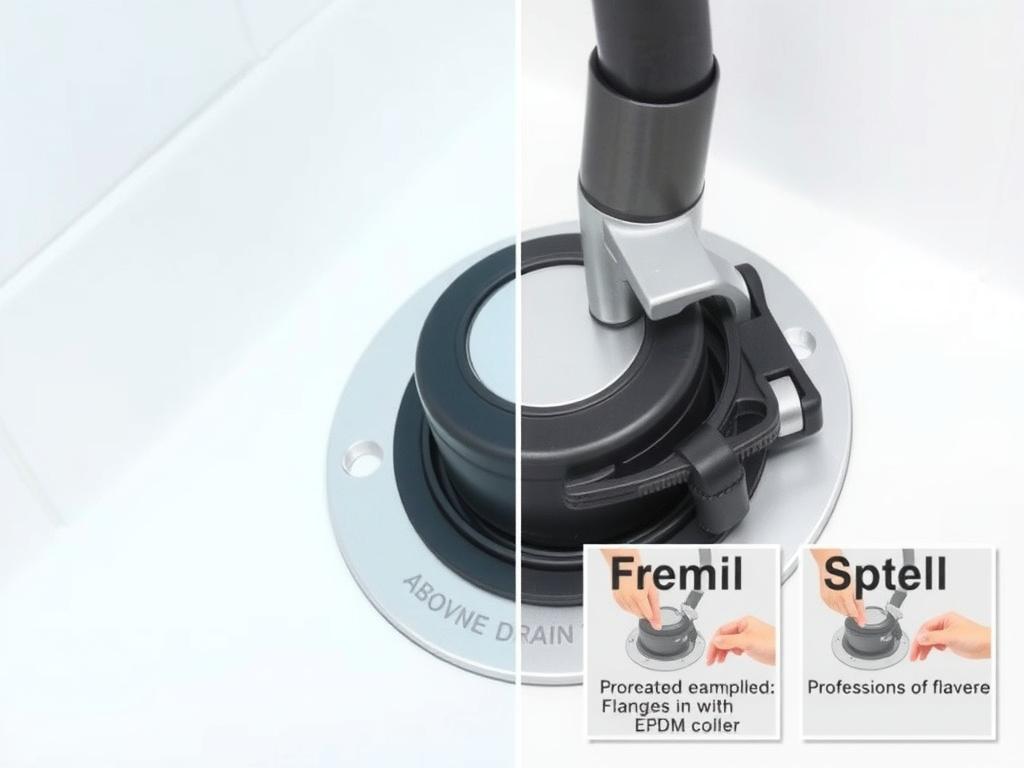
An above-floor shower drain sits on top of the structural floor, not recessed into it. Water exits through a horizontal spigot that runs along—never down through—the floorboards. You’ll see them in retrofits, basements with concrete slabs, or timber joist lofts where digging isn’t an option. The body height ranges from 75 mm (Wirquin Pro 90) to 140 mm (Unidrain Classic), so the tray or tile former has to accommodate that bulk below.
The big trade-off is fall. Because the pipe leaves sideways, you need a consistent 1:40 to 1:50 slope from every corner of the shower to the gully. Miss that and you get the classic puddle-by-the-toe-niche complaint. I once surveyed a boutique hotel where each of the four en-suites had identical 250 mm diameter standing water. The tiler had trusted the eyeball method; my laser level showed a 4 mm dip over 800 mm—nowhere near enough. For precise slope calculation and marking techniques, review our guide on proper shower pan slope preparation.
When to Choose Above-Floor Over Recessed
Timber joists deeper than 200 mm? You can usually recess. Concrete slab or shallow I-joists at 150 mm? Above-floor starts looking attractive. Cost swings it too: chopping a channel in a ground-floor concrete slab runs £300-450 in labour alone, plus £80 for a breaker hire. An above-floor trap you can fit with a £22 Rigid pipe cutter and half a day.
Sound transmission is the hidden gotcha. Waste water roaring through a horizontal runs right under the bedroom. I specify 50 mm Hep2O with full-bore swept bends and wrap it in 25 mm acoustic foam—adds £35 but saves the marriage. In flats, Building Regs E3 demands a maximum 55 dB airborne sound; a bare 40 mm solvent pipe will fail that test every time.
Anatomy of a Reliable Above-Floor Drain
Look for these parts in the box. For detailed explanations of how each component functions in the drainage system, see our guide on understanding shower drain systems and components:
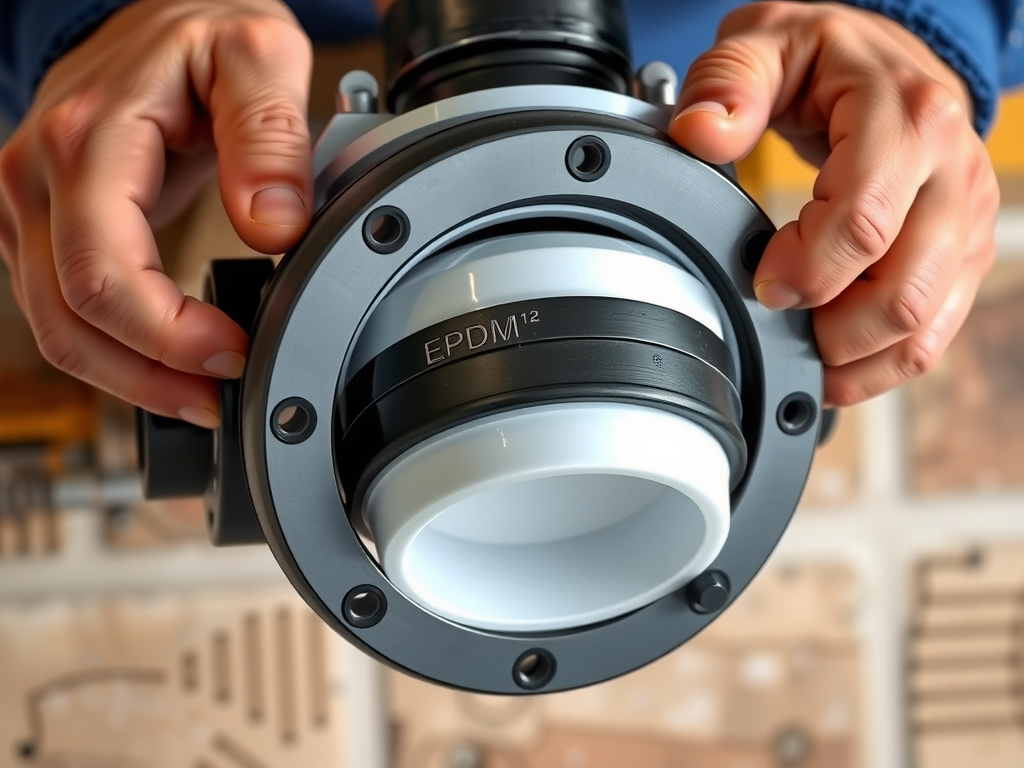
- Flange with EPDM collar – must be rated 1 bar (10 m head). Cheap ABS flanges crack when you torque the grille screws.
- Funnel or membrane clamp – bonds to tanking. Schluter Kerdi-Line uses a fleece-lined collar you mud into place; Wedi’Fundo seals with pre-formed rubber.
- Removable trap cassette – Water seal 50 mm minimum in UK, 19 mm allowed in some US states. I stick with 50 mm; it buys you time if the tenant never uses that shower.
- Side outlet with knock-out test cap – lets you air-test at 38 mm water gauge before tiling.
Price snapshot, Screwfix June 2025:
- McAlpine WM14-PB £38.99 (90 mm outlet, brass flange)
- Wirquin Pro 90 £46.66 (ABS body, 50 mm seal)
- Schluter Kerdi-Line-S 70 £119.00 (stainless channel, no trap—add £42 for the HepVo)
Installation Walk-Through: Timber Floor Version
1. Plan the run. Mark joist centres; side outlet must clear by 50 mm for notching rules (UK BS 5268).
2. Fit noggins. 18 mm ply off-cuts between joists give you something solid; screw every 150 mm.
3. Dry-fit everything. Tray, drain, pipe, grille. Check grille sits flush—use coins as feeler gauges.
4. Prime and solvent-weld. Use cleaner first; cheap builders skip it and get joint creep at 60 °C.
5. Air test. Inflate a 50 mm drain bladder above the trap; fill with water to 38 mm on a manometer. No drop in 5 min = pass.
6. Tanking. Brush-on Bal WP1 tanking slurry two coats, 1 mm thick each. Lap 50 mm up the walls and onto the flange collar.
7. Tile and grade. Use a 6 mm notched trowel, work to the drain in quadrants, keep 2 mm gap around the grille perimeter for silicone.
I once helped a DIY couple who filmed each step on a GoPro; they caught a forgotten knock-out cap before the adhesive set. Saved them £700 in re-tile costs—proof that paranoia pays.
Common Failure Points and How to Dodge Them
Flange flex: If the tray is foam-cored (Kudos, Impey), the flange needs full support. Cut a 110 mm plywood disc, chamfer the edges, bond it underneath with Stixall.
Grille corrosion: Chrome-plated brass looks shiny on day one; three years of sodium lauryl sulphate eats through. Specify 304 stainless at minimum—£12 extra.
Thermal movement: A 900 mm porcelain tray expands 0.6 mm per 10 °C. Leave a 3 mm movement joint at the wall junction, fill with Lecol MS Polymer not cement grout.
Hair blockage: Above-floor traps sit lower, so hair accumulates right at the waterline. Tell clients to lift the grille every six weeks; I hand out a free £2 plastic hook.
Cost & Time Break-Down (Real 2025 Prices)
Materials:
- Above-floor drain with stainless grille £45
- 3 m 50 mm Hep2O pipe plus inserts £18
- Acoustic wrap £12
- Tank kit (slurry, tape, corners) £35
- Tile trim & silicone £20
Subtotal £130
Labour (South-East rates):
- Plumber half-day £200
- Tiler one day £240
- Electrician if you move the underfloor heating thermostat £150
Subtotal £590
Total £720 versus £1,100+ if you have to break concrete and hire a skip. Time saved: roughly one day because you skip breaker work, curing screed, and drying time.
Safety Considerations and Legal Requirements
UK Building Regs Part H1 clause 1.7 demands a 50 mm water seal for domestic showers. Part E (sound) applies to flats; you must submit acoustic test data if asked. In the US, IRC P3201.6 allows 19 mm seal but requires a self-sealing vent or AAV within 1.5 m. Always fit an extractor fan on the same circuit as the light so the room dries properly—BS 7671 zones 1 & 2. For complete UK Building Regulations compliance details, including Part G requirements and proper trap specifications, consult our comprehensive installation guide.
Warning: Never notch the top edge of a joist deeper than 0.125 × joist depth (12.5 %). Cut more and you weaken the floor; worst-case the tray cracks, water hits the ceiling below, and insurance can refuse the claim. Drill holes centrally if you need a path—keep diameter ≤ 0.25 × depth.
FAQ
Can I retrofit an above-floor drain without removing the whole tray?
Only if the original tray has a standard 90 mm waste cut-out and you can reach the side outlet pipe. Cut the trap tail short, slide a flexible rubber adapter (Fernco Qwik-Tite 1½″) over the spigot, tighten, then re-seal the grille with fresh silicone. Budget two hours and £25 parts.
How noisy is the horizontal waste run?
With 50 mm pipe and 25 mm acoustic wrap you’ll measure 42 dB at the grille—quieter than the shower spray itself. Skip the wrap and you’ll hit 58 dB, enough to wake a light sleeper next door.
Do above-floor drains work with underfloor heating?
Yes, but keep the heating cable 150 mm clear of the plastic trap body. Overheating can warp ABS; I sheath that zone with a aluminium heat-spread plate as a deflector.
Will the higher grate spoil my minimalist look?
Grille heights start at 4 mm (Impey Slimline). Fit a linear channel drain against the wall and pitch the floor in a single plane—no visible dome, just a pencil-thin slot.
How long do stainless grilles last before they tea-stain?
Grade 304 will show light brown spotting after 18–24 months in hard-water areas. Wipe with 50:50 white vinegar and water every three months; grade 316 (£10 up-charge) buys you five years of zero maintenance. For quality drain products with durable stainless steel components, review our recommended shower drain products.
Can I connect to a 40 mm existing pipe?
You can, but you’ll halve the flow capacity. A 10 L/min power shower will back-flood. Best practice is to run a new 50 mm branch back to the stack; if that’s impossible, fit a 50→40 mm reducer right at the trap and keep the shower flow below 8 L/min.
Final Take
An above-floor shower drain isn’t a shortcut—it’s a calculated detour. Get the falls right, brace the flange, and give the waste pipe room to breathe and you’ll outrun the mushroom farm my neighbour endured. Skimp on acoustic wrap or notch too deep and you’ll trade one nightmare for another. Do it once, do it dry, and you can power-shower with impunity.