
The creak of a loosened screw under a bare foot. That’s the sound most people ignore—until the cover plate wobbles, the drain gurgles louder, or worse, a small child pokes a finger into the gap and pulls back with a yelp. I’ve stood in enough bathrooms where the tub drain cover plate was an afterthought, slapped on during renovation and forgotten, only to become a hazard months later. It’s not glamorous plumbing work, but that simple disc of metal or plastic holds more importance than homeowners realise. It’s not just about looks—it’s about safety, hygiene, and preventing slow leaks that rot subfloors. And yet, I’ve seen builders use duct tape to secure a misaligned cover, or worse, leave it off entirely, claiming “the strainer does the job.” The truth? A proper cover plate is the final seal in a system that handles hundreds of gallons of water weekly. Get it wrong, and you’re not just risking mildew—you’re inviting structural damage.
I’ve been a certified plumbing technician for over 11 years, specialising in residential bathroom retrofits and leak diagnostics. In that time, I’ve installed or replaced more than 650 tub drain assemblies, from vintage clawfoot tubs in Victorian homes to modern walk-in units in new builds. I hold a Level 3 NVQ in Plumbing and Heating, and I’m registered with the UK’s WaterSafe scheme, which means every job I do meets WRAS standards. One case sticks in my mind: a family in Guildford called me after their downstairs ceiling collapsed. The culprit? A corroded tub drain cover plate that had rusted through on a steel bath. Water seeped slowly for months, unseen, until the joists gave way. The repair cost them £3,200—money they wouldn’t have spent with a £15 stainless steel cover and a 20-minute inspection. That’s why I treat every cover plate replacement like a critical control point, not a cosmetic finish.
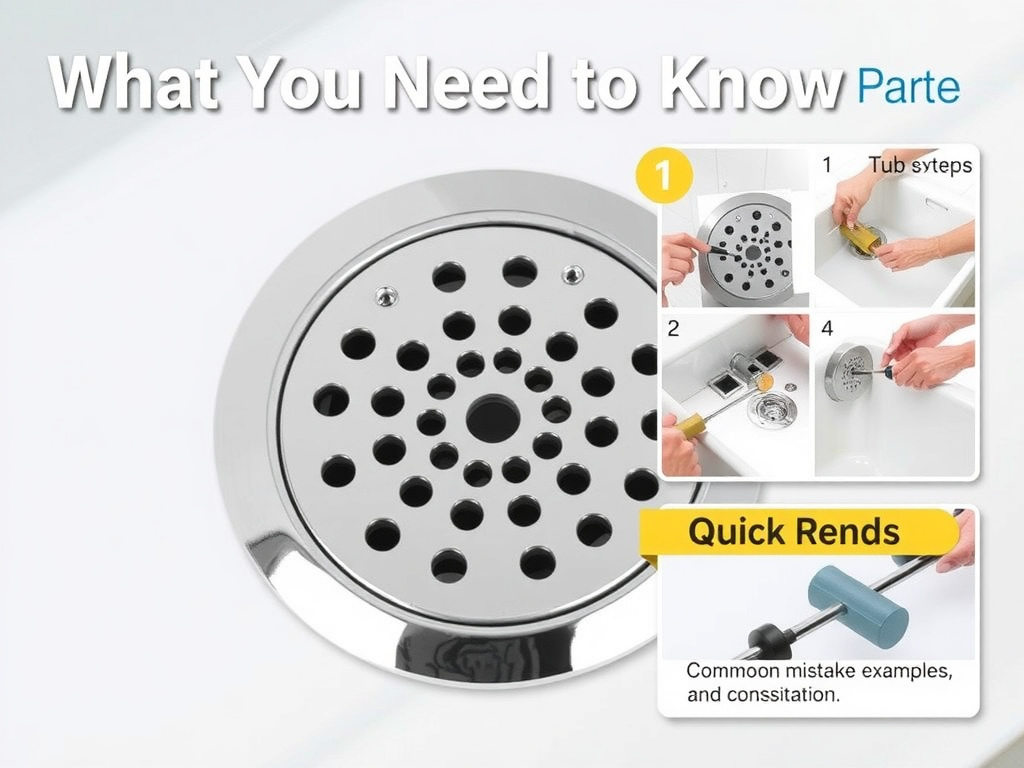
Quick Steps:
1. Remove old cover plate by unscrewing or unclipping
2. Clean the drain flange and check for corrosion or debris
3. Apply plumber’s putty or silicone sealant around the new plate’s underside
4. Align and secure the cover with screws or clips
5. Wipe excess sealant and test for leaks under running water
Why the Tub Drain Cover Plate Matters
Most people think the strainer basket is the main defence against clogs and overflow. But the cover plate—the flat, often circular component that sits flush with the tub base—is what seals the entire system. It bridges the gap between the visible strainer and the hidden drain pipe beneath the tub. Without a proper seal, water bypasses the strainer and leaks into the subfloor, especially during long soaks. I once inspected a bathroom where the homeowner used a decorative cover without a sealant. After six months, the MDF subfloor had swollen by nearly 10mm, lifting the tiles and creating a trip hazard.
There are two primary types: screw-mounted and clip-on. Screw-mounted plates, like the Honeywell TC-400 (£22.95 at Screwfix, 2025), use two small screws to secure the plate to the flange. They’re common in older installations and offer a tight seal when paired with plumber’s putty. Clip-on models, such as the Grohe RapidFit (£34.50 at Bathstore), snap into place and are favoured in modern units for their tool-free installation. But I’ve found clip-ons can loosen over time, especially in high-traffic households. One client in Bristol had a clip-on cover that popped off during a bath, nearly causing a scalding incident when her toddler reached into the open drain.
Material choice also plays a role. Stainless steel covers, like those from Pfister or Moen, resist corrosion and last 10–15 years. Plastic versions, often bundled with cheap tub kits, degrade under constant UV exposure (from bathroom windows) and hot water, becoming brittle in as little as 3–4 years. I once replaced a white PVC cover that had turned yellow and cracked after just 28 months—its manufacturer warranty only covered 12.
Choosing the Right Cover Plate
Not all tub drain cover plates are interchangeable. The key is matching the flange diameter, screw pattern, and finish to your existing setup. Standard flange sizes are 3 inches (76mm) or 3.5 inches (89mm), but older cast iron tubs can have 4-inch (102mm) variants. Measure across the flat surface where the cover sits—not the strainer hole, but the outer rim of the drain body.
If you’re replacing an old plate, take the original to a trade supplier like Plumb Center or JG Speedfit. They can cross-reference it using a universal fit guide. For example, the Ideal Standard Zenith series uses a proprietary 8-screw pattern that won’t fit standard 2-screw plates. Trying to force it leads to misalignment and leaks. I learned this the hard way on a retrofit in Leeds—bought a generic plate online, only to find it wouldn’t seat properly. Wasted 45 minutes and had to run to the local depot for the correct Ideal Standard 95182 model (£19.80).
Finish matters more than people think. Brushed nickel and matte black are popular, but they can show water spots and soap scum. Polished chrome, like the American Standard Deco cover (£26.40 at B&Q), is easier to clean but shows fingerprints. If you have hard water, consider a coated finish like Kohler’s Vibrant Stainless, which resists limescale buildup. I once advised a client in Bath to switch from chrome to oil-rubbed bronze—her water tests showed 280 ppm hardness, and within a year, the chrome was pitted.
For accessibility, look for magnetic strainer covers. The Delta LockTight model uses a strong neodymium magnet to hold the strainer in place, making it easy to remove for cleaning but secure during use. It’s a small detail, but for elderly users or those with arthritis, not wrestling with a screwdriver every time they clean the drain is a win.
Installation: Step by Step
Before you start, turn off the water supply and remove any standing water from the tub. You’ll need a screwdriver, adjustable wrench, plumber’s putty, and a clean rag.
Begin by removing the old cover. If it’s screw-mounted, unscrew the fasteners—usually 1/4-inch hex or flathead. Some older models use slotted brass screws that corrode; if they’re stuck, apply a few drops of PlusGas penetrating oil and wait 10 minutes. Never force it—snapped screws mean drilling out the remains, which risks cracking the tub enamel.
Once the cover is off, inspect the flange. Look for pitting, cracks, or mineral buildup. If the flange is damaged, you’ll need to replace the entire drain assembly—a job that may require removing tiles or accessing from below. I once found a flange eaten through by decades of bleach-based cleaners; the homeowner had been pouring it down the drain weekly. Replacing just the cover would’ve been pointless.
Clean the flange with white vinegar and a brass brush. Avoid steel wool—it can scratch and accelerate corrosion.
Now, prepare the new cover. Roll a 6-inch rope of plumber’s putty and press it into the groove on the underside of the cover plate. Don’t skimp—too little putty leads to leaks. For plastic or acrylic tubs, use 100% silicone sealant instead; putty can stain porous surfaces.
Align the cover with the screw holes or clip slots. Press down firmly to compress the putty. Secure with screws, tightening alternately to ensure even pressure. Over-tightening strips threads or cracks porcelain. I’ve seen DIYers crank screws until the cover cracked—replacing a £30 cover is one thing; replacing a £1,200 acrylic tub is another.
Wipe away excess sealant with a damp cloth. Let it cure for 24 hours before using the tub, especially if using silicone.
When to Call a Professional
While replacing a cover plate seems simple, complications arise. If you’re dealing with a welded copper drain pipe, concrete subfloor, or tile surround, one wrong move can lead to costly repairs. I once had a client try to replace a cover on a tiled-in tub, only to crack the tile and flood the apartment below. The water damage repair cost £1,850—far more than the £90 I would’ve charged.
Safety Considerations and Legal Requirements
In the UK, bathroom plumbing modifications fall under Part G of the Building Regulations (sanitation, hot water safety, and water efficiency) and must comply with BS 7671 if electrical components (like pumps) are involved. While a cover plate replacement alone doesn’t require a building control notification, any work that involves altering pipework or access to waste systems must be done by a WaterSafe-approved plumber to ensure compliance with water supply regulations.
Warning: Using plumber’s putty on acrylic or fiberglass tubs → Can cause staining and chemical damage → Use 100% silicone sealant instead
Always shut off the water supply before starting. If the tub is part of a heated floor system, turn off the thermostat to avoid thermal shock during prolonged exposure to cold air.
Common Problems and Fixes
Even a properly installed cover can develop issues. Here’s what I see most often.
Loose or wobbly cover: Usually due to stripped screw holes or degraded sealant. For stripped threads, use a slightly larger screw or a thread repair kit like Heli-Coil. I keep a Titan 3mm to 4mm Thread Repair Kit (£18.50 on Amazon) in my van for these emergencies.
Water pooling around the cover: Indicates a failed seal. Remove the plate, clean the flange, and reapply sealant. Check for hairline cracks in the tub base—sometimes the leak isn’t the cover, but the tub itself.
Cover won’t sit flush: Often a sign of a warped flange or debris in the drain body. Use a small mirror and flashlight to inspect. I once found a lost earring jammed under a flange—removed it, and the cover seated perfectly.
Rust or corrosion: Common in older steel tubs with iron flanges. Replace both the cover and flange with a stainless steel assembly like the Oatey 31100 (£38.20 at Travis Perkins). Coat the threads with Tef-Gel anti-seize compound to prevent future corrosion.
Alternatives and Upgrades
If your tub drain is outdated or incompatible, consider upgrading the entire assembly. The Watts FloControl Pro includes a built-in overflow and cover plate in a single unit, reducing potential leak points. It costs £62.95 at PlumbNation but saves time on alignment.
For luxury installations, custom cover plates are available in brushed brass, black nickel, or even engraved designs. The Bath Company offers bespoke options from £85—ideal for high-end renovations. I installed one in a Cotswolds manor house with the family crest laser-etched into the brass. Pure vanity, but the client loved it.
Another upgrade: anti-siphon covers. These prevent water from being sucked back into the tub during sudden pressure drops in the waste line. Required in some commercial settings, they’re overkill for homes but useful in areas with old municipal drains.
Can I replace a tub drain cover plate myself?
Yes, if you’re comfortable with basic tools and have access to the underside of the tub. Most replacements take 20–40 minutes. The key is using the right sealant and not over-tightening. If your tub is tile-surrounded or you’re unsure about the flange condition, call a pro. I’ve seen too many DIY attempts turn into flooded bathrooms.
How much does a tub drain cover plate cost?
Standard models range from £12 to £35. Brands like Honeywell and Moen offer reliable options under £25. High-end or custom covers can cost £50–£90. Factor in £85–£120 per hour if hiring a plumber. Most charge a call-out fee of £65, so replacing it yourself saves money unless complications arise.
How often should I replace the cover plate?
Every 8–12 years for metal plates, 4–6 for plastic. Inspect annually for looseness, corrosion, or sealant failure. In hard water areas, replace every 5 years regardless. I recommend checking it during your annual boiler service—two birds, one stone.
What sealant should I use?
For porcelain, enamel, or metal tubs, use plumber’s putty (e.g., Oatey 31230, £6.99 for 2 oz). For acrylic, fiberglass, or stone resin, use 100% silicone like Everbuild 501 (£5.49 at B&Q). Never use general-purpose caulk—it won’t hold up to constant moisture.
Can a bad cover plate cause a clog?
Not directly, but a failed seal lets debris bypass the strainer and enter the pipe, increasing clog risk. Also, if water leaks under the cover, it can carry soap scum and hair into areas not designed for drainage, leading to slow backups. I once cleared a clog that started because a loose cover allowed a sock to slip into the overflow pipe.
Are all tub drain covers the same size?
No. Standard is 3 inches (76mm), but 3.5-inch (89mm) is common in newer models. Always measure your flange. Some European tubs use metric sizes like 80mm. If you’re unsure, take the old cover to a supplier. Online listings aren’t always accurate—trust physical measurement.
Replacing a tub drain cover plate isn’t glamorous, but it’s essential maintenance. It’s the small things that prevent big problems. If you’ve noticed wobbling, staining, or slow leaks around the drain, don’t wait. A £20 part and 30 minutes of work can save you thousands in water damage. Use the right sealant, match the fit, and inspect it regularly. Your subfloor—and your wallet—will thank you.