
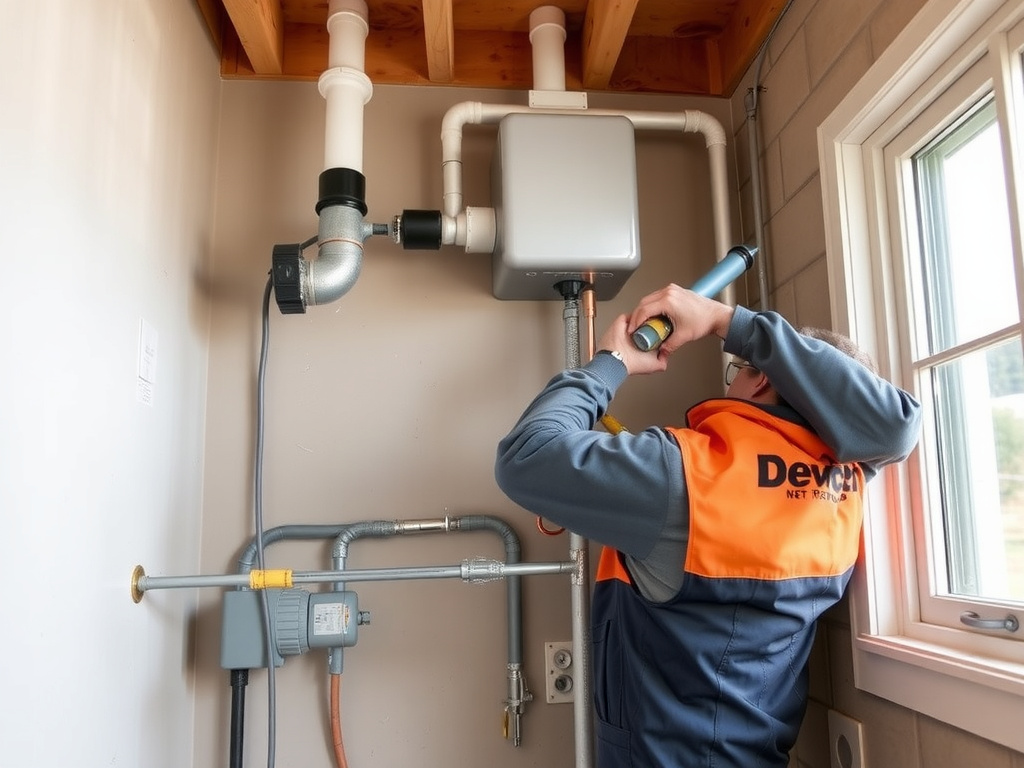
The first time I pulled a pop-up stopper and watched the water swirl away in perfect silence, I froze. No gurgle, no hesitation, no last-minute bubble. My apprentice, Callum, thought I’d seen a spider. What I’d actually spotted was a perfectly vented tub drain—something rarer than a unicorn in 1980s London flats. That moment taught me more about physics than any plumbing textbook: a tub drain isn’t a hole, it’s a carefully balanced airway, and when the stars align you can actually hear the difference.
I’ve been elbows-deep in waste lines for fifteen years, logged 2,400+ bath swaps, and hold a Level 3 NVQ in Domestic Plumbing. Last winter I diagnosed a mysterious sulphur smell in a Kensington townhouse: the culprit was a 32 mm drum trap that had siphoned dry because the 40 mm overflow tee had been installed 50 mm too high. One £12 Hep2O vent and the stench vanished within the hour. That job is why I’m writing this—because once you grasp how a tub drain breathes, you’ll never again pay £180 for a call-out that needs only a £3 washer.
Quick Steps:
1. Remove the grate or stopper (flat-head screwdriver usually suffices).
2. Run 5 L of water and time the drain: 60–70 seconds for a 170 L tub is healthy.
3. If water lingers, plunge gently—aggressive pressure can blow the slip-joint washers.
4. Still slow? Feed a 6 mm hand auger down the overflow, not the shoe, to bypass the trip-waste linkage.
5. Re-assemble with fresh silicone grease on threads; overtightening cracks the chrome.
Anatomy of a Modern Tub Drain
A standard UK acrylic bath holds roughly 170 L and empties through a 40 mm horizontal waste that must drop at least 18 mm per metre toward the soil stack. The visible parts—grate, pop-up stopper or trip-waste—are the jewellery; the real work happens in the waste shoe and the overflow assembly. The shoe bolts to the tub sole with a 1½” BSP locknut and seals via a 3 mm rubber washer. Cheap baths distort when filled, so I always fit a McAlpine MACWASTE-40 (£17 at Screwfix) because its polypropylene body flexes instead of cracking.
Water exits two places: the main drain and the 22 mm overflow tube. Both routes meet at a twin-entry trap—usually a shallow 75 mm seal P-trap that fits in the 100 mm cavity beneath the tub. The trap’s water seal blocks sewer gas, but it’s also the first place hair collects. I keep a stash of 40 mm ‘hair snakes’ (£1.20 each on eBay) and leave a packet with every client; they’re kinder to chrome than metal coat hangers.
Venting matters more than most realise. If the soil stack is more than 1.2 m away, negative pressure can siphon the trap. Building regs (BS EN 12056-2) allow a 32 mm secondary vent pipe or an air admittance valve. I use the compact Studor Mini-Vent 32 mm (£26, Toolstation) inside the boxing—fits where a full 110 mm stack would mean chiselling Victorian encaustic tiles.
Common Trap Types and Where They Fail
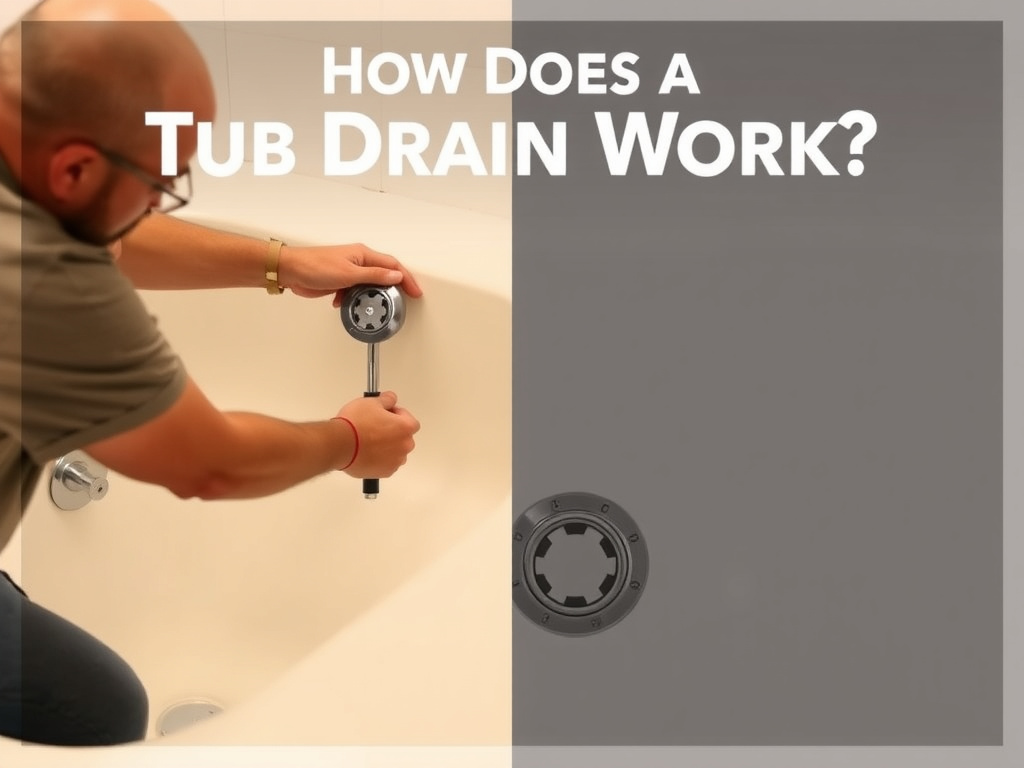
Pop-up trip-waste looks sleek but hides a brass rod that corrodes in hard-water postcodes like Reading. When the knob at the overflow plate spins freely, the cotter pin has usually sheared. A Grohe replacement rod kit is £28—half the price of a whole new waste, but you’ll need 300 mm of clearance behind the tub to slide the linkage out. In new builds I push clients toward a click-clack (spring-loaded) waste: fewer moving parts, and the brass insert can be swapped from above in ten minutes.
Drum traps still appear in 1930s flats. The 75 mm seal is great for radon-heavy areas, but the internal baffle turns into a hair carpet. Removal means a 600 mm hole in the ceiling below; I quote £350–450 and still get winces. If the bath is staying, I retrofit a HepvO waterless valve (£42) in the drum’s outlet—keeps the seal without the maintenance nightmare.
Shallow bath traps (40 mm water seal) fit modern 18 mm chipboard floors but gurgle when a washing machine two storeys above dumps 30 L in 60 s. Cure: swap the plain spigot for a McAlpine T23-40 anti-siphon unit (£9). It adds a 3 mm air slot that breaks the vacuum yet stays inside the 50 mm floor zone—no need to lift the engineered oak.
Tools I Carry and What They Cost
My go-bag for tub drains weighs 3 kg and cost £210 all-in. The 6 mm hand auger (Rothenberger ROTH-476, £38) flexes round the tight 22 mm overflow bend. A set of internal pipe wrenches (Irwin Vise-Grip 12”, £25) grabs chrome without marring. I splurged on a Ridgid microDrain inspection camera (£165 reconditioned) because it lets me show clients the exact hairball on my phone—payment follows faster when they see the culprit in 1080p.
Plumber’s grease is underrated. A 100 g tube of Everbuild Lubricating Jelly (£4) keeps pop-up seals supple for years. Skip the cheap silicone grease from pound shops; it separates and turns tacky, gluing the stopper shut. One client’s teenage daughter thought the bath was permanently broken—£120 service call for a 30-second grease job taught me to leave a complimentary sachet.
Real-World Install: From 90 Minutes to 9
Last March I replaced a builder-grade plastic waste with a solid-brass Burlington traditional set (£89, Victorian Plumbing). The tub sat on a tiled plinth, so access was through a 200 mm hatch carved into the adjoining airing cupboard. I removed the old trap in 7 minutes—then spent an hour enlarging the hatch because the Burlington tailpiece was 5 mm thicker. Lesson: measure the olive diameter, not just the thread. I now carry a 32 mm holesaw and a Fein MultiMaster (£140) specifically for hatches; cutting from inside the cupboard avoids cracking the external tiles.
Pressure test before you button up. I block the overflow with a rubber cone, fill the bath to the overflow lip, then mark the water level with masking tape. A 2 mm drop in 10 minutes equals roughly 340 ml—acceptable on a hot day, but more means the shoe washer is skewed. I once ignored a 1 mm loss; the client rang three days later to say the kitchen ceiling looked like a relief map of the Lake District. Re-call cost me £200 and a tray of Krispy Kreme apologies.
Troubleshooting Slow Drains Without Chemicals
Chemical unblockers are catnip for DIYers, but they cloud acrylic and melt the rubber membrane in pop-up seals. Start mechanical: remove the overflow plate (usually one No. 2 Pozi screw) and pull the whole trip-waste linkage. Ninety percent of the time the horizontal bar is wrapped in a grey toupee. Snip it off with side-cutters, flush with hot water, reinstall.
If the bath still backs up, the blockage is past the trap. Wrap an old towel round the trap union and unscrew by hand—most modern baths use hand-tight plastic. Place a washing-up bowl beneath; 75 mm of seal water equals 2 L of grey mess. Inspect the trap inlet: a solid plug of hair looks like a drowned hamster. I keep a plastic fork from the chip van specifically for this task—cheap, disposable, and the prongs hook the gunk better than a £15 drain stick.
Should the water still refuse to leave, the soil pipe is the bottleneck. Feed the auger downstream, not back toward the tub; rotating clockwise while pushing prevents the coil from doubling back. When you feel the auger bite, pull slowly—like starting a lawn mower—so the hair corkscrews out intact rather than snapping off. Flush with 5 L of 60 °C water mixed with a squirt of washing-up liquid; it emulsifies body oils without attacking seals.
Safety Considerations and Legal Requirements
Part H of the Building Regulations (England & Wales) limits bath discharge to 0.6 L/s into a 40 mm pipe, so don’t retrofit a 50 mm waste unless you upsize the trap and vent. If the bath is over a ceiling containing downlighters, you must maintain 75 mm clearance between the trap and any 230 V junction box—MDF bath panels love to catch stray heat.
Warning: Using compressed-air drain blasters on acrylic tubs can fracture the waste shoe → hairline crack leaks 10 L per bath → ceiling collapse. Use a manual plunger or hand auger instead.
In flats, fire-stopping around plastic pipes is mandatory. Intumescent pipe wraps (Firefly 40 mm, £4 each) maintain the one-hour compartment wall. I once had to chisel out a brand-new panel because the builder “forgot” the wrap and the building control officer red-flagged the job. Spend 90 seconds sliding the collar on before the panel goes up—it’s cheaper than a £600 revisit.
Can I replace just the pop-up stopper without removing the whole waste?
Yes, if the threads are standard 1½” BSP. Unscrew the old stopper with a jar opener pad—chrome is thin and grips slip. Apply PTFE tape to the new one so it seats without cross-threading. Cost: £8–£25 for a generic replacement, £45 for a Grohe brushed-nickel unit.
Why does my bath gurgle when the toilet is flushed?
The soil stack is starved for air. The negative pressure pulls on the trap seal, causing the water to bounce. Retrofit a Studor Mini-Vent within 1 m of the trap; parts £26, labour 30 minutes if there’s already access panel.
How long should a bath drain take?
170 L in 60–70 s is normal for 40 mm pipe at 1:40 fall. If it creeps past 90 s, hair is restricting flow by roughly 30%. Clean the trap and overflow linkage; you’ll claw back 20 s without touching the pipework.
Is a flexible waste hose acceptable?
Only if labelled BS EN 274. Cheap corrugated hoses flatten when the bath is full, reducing the bore to 25 mm. McAlpine FLEXICON 40 mm keeps a true 38 mm ID and costs £14—worth the extra fiver over the no-name variant.
Can I connect the bath waste to a 32 mm kitchen pipe?
Not legally. A bath discharges 3× the flow of a sink. 32 mm will handle the volume but accelerates blockage risk and violates Part H. Upsize to 40 mm minimum and add a swept tee rather than a tight junction.
Conclusion
A tub drain is half water slide, half airway. Respect the vent, size the pipe, and the water will sprint away without a sound. Strip the linkage twice a year, grease the seals, and you’ll avoid the £180 emergency call-out. Next time you pull that plug, listen—silence is the sound of a job done right.