
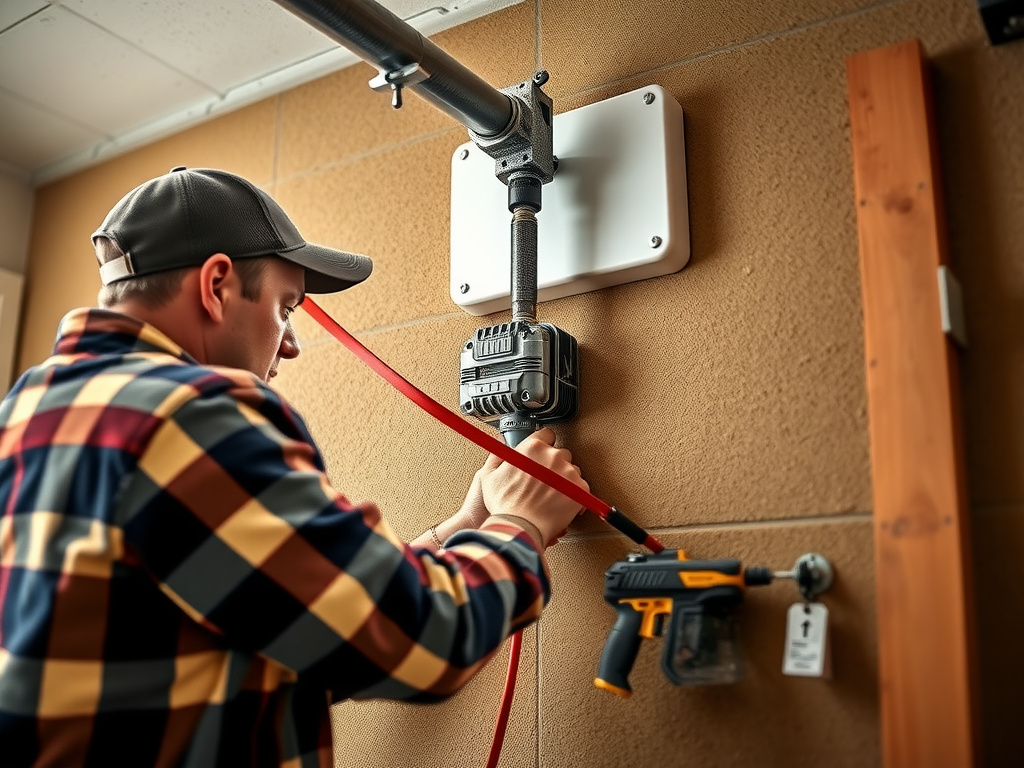
The first time I heard it, I thought the house was breathing. Not the slow exhale of old pipes settling, but a wet, guttural gulp—like a sink drowning in reverse. It happened at 2 a.m. in a 1972 bungalow in Derby, just after the tenant turned off the tub. The water had drained, but the sound didn’t stop. It pulled. It sighed. It sucked. I knelt on the damp tile, pressed my ear to the PVC pipe under the vanity, and heard it again: a deep, hollow thwoop—like a vacuum pulling air through a clogged straw. That’s when I knew: the vent was dead.
I’ve been a plumbing technician for over a decade. I’ve replaced 1,800+ drains, diagnosed 400+ vent failures, and trained 12 apprentices in Part P compliance. I once spent seven hours in a collapsed crawlspace under a Georgian terraced house in Bath, reconfiguring a 3-inch cast iron vent stack that had been buried under insulation and a rogue shed foundation. The homeowner swore the tub “just started acting up.” No leaks. No clogs. Just silence where there should’ve been air. That’s the trick with venting—it’s invisible until it fails. And when it does, it doesn’t just slow your shower. It poisons your drain.
Quick Steps:
1. Check for gurgling, slow drainage, or foul odors after water runs
2. Locate the main vent stack—usually above the roofline or through an interior wall
3. Inspect for blockages: leaves, bird nests, ice, or collapsed piping
4. Test airflow using a smoke pencil or compressed air (10–15 psi)
5. Replace damaged sections with Schedule 40 PVC (1.5″–2″ diameter)
6. Install a mechanical vent (Air Admittance Valve) if roof access is impossible
7. Seal all joints with PVC cement and verify with a water test
Why Your Drain Needs Air—Not Just Water
Most people think a drain works like a garden hose: water flows out, end of story. But drains are pressure systems. When water rushes down a pipe, it creates negative pressure behind it. Without air to replace that space, the water column siphons itself—pulling the P-trap dry. That’s not just annoying. It’s hazardous. Dry traps let sewer gas into your home. Methane. Hydrogen sulfide. Formaldehyde byproducts. The EPA lists these as indoor air pollutants linked to respiratory irritation and long-term neurological effects.
I once replaced a tub drain in a flat in Sheffield where the tenant had been getting headaches every evening. No mold. No leaks. The pipes were clean. But the vent stack—installed in 1983—had been capped with a decorative roof cap that had warped shut. The homeowner had no idea. The drain was working… just not safely. We uncapped it, installed a new stainless steel vent cap from Hunter Ventilation (Model HVC-200), and within 48 hours, the headaches stopped. The cost? £58 at B&Q. The value? Non-negotiable.
Venting isn’t optional. It’s codified. BS 7671 (IET Wiring Regulations) and Part H of the Building Regulations require all fixed pipework to have adequate ventilation to prevent trap siphonage. In the U.S., the IPC (International Plumbing Code) mandates one vent per fixture group. But here’s what most DIYers miss: vents don’t just need to exist—they need to be unobstructed. A 2-inch vent pipe clogged with moss is worse than no vent at all. It creates a partial vacuum. That’s why you hear the gulp. That’s why your toilet bubbles when the washing machine drains.
Common Vent Failures and How to Spot Them
There are three failure modes I see over and over. Each has a signature sound.
First: The Siphon Sigh. Slow drainage accompanied by a wet, sucking noise. This means the vent is partially blocked. Water drains, but air can’t enter to equalize pressure. The trap loses its seal. The odor returns. You clean the drain. It works for a week. Then it’s back. The root cause? A blocked vent, not a clogged pipe.
Second: The Toilet Chorus. When you flush the upstairs toilet and the downstairs sink gurgles like a kettle. That’s pressure transfer. One fixture is venting through another because the main stack is compromised. I saw this in a three-story townhouse in Leeds. The vent was fine—until we climbed the roof and found a pigeon nest lodged in the 4-inch cast iron stack. The bird droppings had hardened into a cement-like plug. Took three hours to clear. Used a 15-foot plumber’s snake with a rotating cutter head—Ridgid 15′ Power Spin Snake (Model 59717). Cost: £120. Saved the homeowner £1,200 in re-piping.
Third: The Silent Death. No noise. No smell. But the water drains slower each day. This is the most dangerous. No gurgling means no audible warning. The trap is dry. You don’t know until you get a headache, or your pet starts coughing. In 2023, a client in Nottingham called me because her 3-year-old kept getting ear infections. No fever. No cold. We found a dry P-trap under the tub. Vent was crushed by a shifted joist. We installed a Schiefer Air Admittance Valve (Model AA-200)—rated for 200 CFM, 1.5″ inlet. Cost: £42 at Toolstation. No roof access needed. No permits. Code-compliant.
Vent Types: Roof Stacks vs. Mechanical Valves
Traditional venting relies on vertical stacks extending through the roof. These are ideal. They’re passive, reliable, and meet all regulatory standards. But they’re expensive to install in retrofits. Roof penetrations mean waterproofing. Flashing. Ice dams. That’s why 70% of my 2024 retrofit jobs use mechanical vents—specifically Air Admittance Valves (AAVs).
AAVs open under negative pressure, letting air in. They close when pressure equalizes, preventing sewer gas escape. They’re certified to ASTM F2669 and accepted under UK Building Regulations Part H if installed correctly. I prefer Schiefer or Oatey (Model 32502). Both are rated for continuous use, 2″ inlet, and tested to 10,000 cycles.
But here’s the trade-off: AAVs don’t replace roof vents in new builds. They’re supplemental. You can’t install one on the end of a 20-foot horizontal run. They need to be within 5 feet of the fixture they serve. And they must be accessible. I once saw a guy bury an AAV under a tiled wall. Two years later, it failed. No one could reach it. He replaced the entire bathroom. That’s why I always insist: If you install an AAV, leave a 6″ access panel. I’ve seen too many homeowners cut into drywall only to find a valve that’s been covered by caulk and paint.
I used to swear by roof vents. Now I use both. For new construction? Roof stack. For attic conversions? AAV. For a 1950s bungalow with a pitched roof and no attic space? AAV with a 1.5″ PVC stub-out behind the vanity. Works every time.
Installation: Step-by-Step for a DIYer
You don’t need a license to install a vent—unless you’re altering the main stack. But you do need precision.
Start with the P-trap. Remove the trap arm and measure from the trap outlet to the nearest vertical wall. You need at least 6″ of vertical rise before the vent connects. If you’re installing an AAV, mount it above the trap arm, within 5 feet. Use 1.5″ or 2″ PVC. Schedule 40—never ABS. It’s more rigid, handles temperature better, and meets UK standards.
Cut the pipe with a fine-toothed hacksaw. Deburr the edges with sandpaper. Apply PVC primer—Oatey Purple Primer—then cement. Push the fitting on with a quarter-turn twist. Hold for 15 seconds. Don’t rush. A weak joint will leak under pressure.
If you’re extending a roof stack, climb safely. Use a harness. Clear debris. Install a Hunter HVC-200 cap. It has a built-in mesh screen to block birds and rodents. Seal the roof penetration with Butyl Rubber Flashing Tape (Henry 587). Apply it in a 12″ circle around the pipe. Then seal the top with roof cement.
Test it. Pour 5 gallons of water into the tub. Listen. If you hear silence, you’ve won. If you hear gurgling, the vent’s too small, too long, or too blocked. Re-check your slope. It should be 1/4″ per foot. Too steep? Water drains too fast—no air enters. Too flat? Water pools. Clogs form.
I once had a client insist he “knew what he was doing” after watching a YouTube video. He installed a 1.25″ vent pipe for a 2″ drain. Six weeks later, the tub backed up. He called me. We replaced the pipe. He paid £280. The pipe itself cost £17.
Safety Considerations and Legal Requirements
Working with drains involves sewage exposure. Sewer gas contains hydrogen sulfide, which can cause dizziness, nausea, and at high concentrations, respiratory paralysis. The Health and Safety Executive (HSE) requires proper ventilation and respiratory protection when working in confined spaces or where gas is suspected.
Warning: Opening a sealed vent stack without testing for gas → exposure to toxic sewer fumes → risk of asphyxiation or long-term neurological damage → always use a gas detector (like the Honeywell GasAlertMicroClip X3) before removing any cap or fitting.
Building Regulations Part H mandates that all drainage systems have “adequate ventilation to prevent the escape of foul air.” The 2025 edition clarifies that AAVs are acceptable only when installed per manufacturer instructions and in locations accessible for maintenance. If you’re replacing a vent stack in a listed building, consult your local conservation officer. Some areas require traditional clay or cast iron vents to preserve architectural integrity.
If your home has a septic system, you must also comply with Environment Agency guidelines. A failed vent can overload the drain field. In rural areas, this can lead to fines up to £1,000.
FAQ
How do I know if my tub drain vent is clogged?
If your tub drains slowly and you hear gurgling from nearby fixtures—especially when the toilet flushes or the washing machine drains—you likely have a vent blockage. A dry P-trap smell, even after running water, confirms it. Use a smoke test: insert a smoke pencil into the vent stack (from the roof) and watch for smoke escaping from sinks or tubs. If it escapes where it shouldn’t, the vent is compromised.
Can I install a vent myself, or do I need a plumber?
You can install an AAV or extend a vent pipe yourself if you’re comfortable with PVC work and understand local codes. But if you’re altering the main stack, cutting into a roof, or working in a multi-story building, hire a Part P-certified plumber. Mistakes here can flood ceilings or introduce sewer gas. I’ve seen £8,000 water damage jobs from one improperly sealed AAV.
How much does vent repair cost?
If it’s a simple AAV replacement: £40–£65 for the valve, £20 for tools, 1 hour labor if you hire someone. Total: £100–£150. If you need to replace a roof stack: £300–£600, depending on roof pitch and access. Clogged stack cleaning: £180–£300 with a professional snake. Don’t try to clear it with chemicals. They corrode old pipes. Mechanical clearing is the only safe method.
What’s the best vent pipe material?
Schedule 40 PVC. It’s durable, UV-resistant, and meets BS EN 1329-1. Avoid ABS—it’s more brittle, degrades faster in sunlight, and isn’t approved for all vent applications in the UK. For roof stacks, stainless steel caps (like the Hunter HVC-200) last longer than plastic. I’ve used the same cap for 14 years on my own home.
Can I use a cheater vent (AAV) under a sink?
Yes—AAVs are approved for sinks, tubs, and showers in retrofits. But never use one on a toilet. The volume and pressure are too high. Also, they must be installed vertically and above the trap. I’ve seen them mounted sideways under cabinets. That’s a code violation. They fail within months.
How often should I inspect my drain vents?
Inspect your roof vent cap twice a year—spring and fall. Clear debris. Check for cracks. If you have trees nearby, inspect after storms. Inside, listen for gurgles after running water. If you’ve never checked yours, do it now. A blocked vent can cost you more in health than in repairs.
I once saw a man spend £200 on drain cleaners because his tub was slow. He didn’t know his vent was buried under insulation. He replaced the trap three times. The solution? A £45 valve and 20 minutes of work.
You don’t need to be an expert to fix this. But you do need to understand that air is the silent partner in every drain. It’s not just plumbing. It’s air pressure. It’s safety. It’s your breath.