
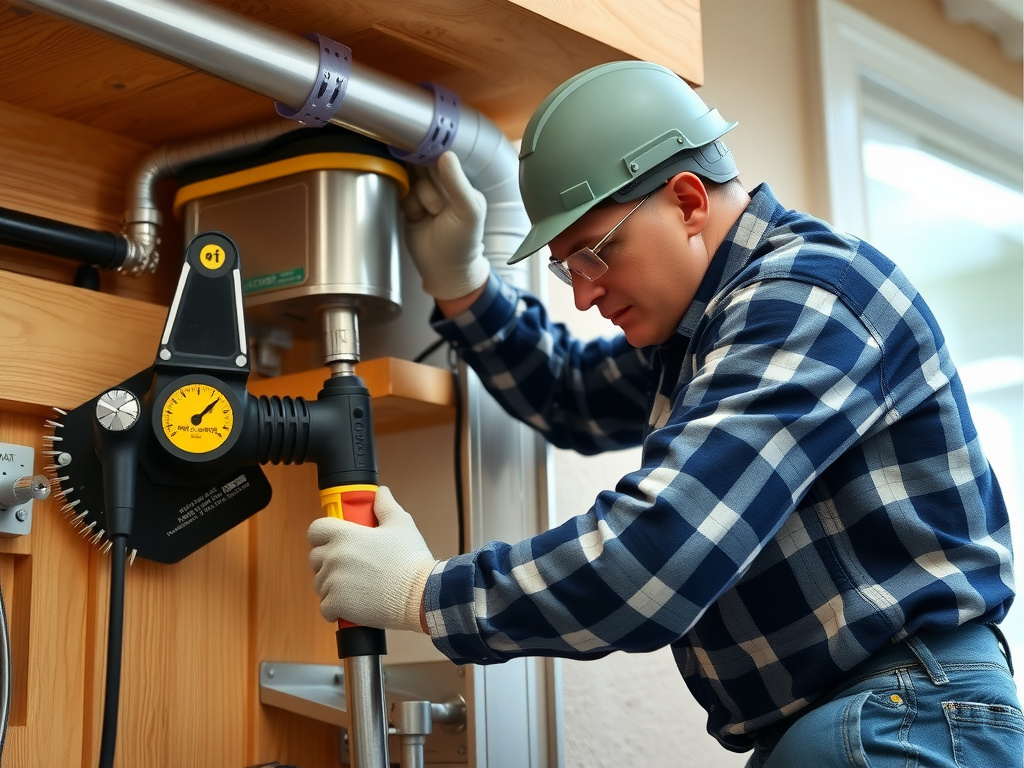
The smell hit me before I saw the problem—like a wet dog had crawled into the ensuite and died behind the vanity. My apprentice, Kev, was already on his knees prising up the chrome cover of the walk-in shower with a paint scraper. “Boss, this trap’s got more hair in it than my Labrador,” he coughed. What he’d yanked out wasn’t just a clump; it was a felted rope of soap scum, blonde dye and what looked like the tail end of a plastic razor guard. The water had been draining slower for weeks, but the owners—two teenage daughters and a dad who “didn’t notice”—had simply let the puddle creep higher until it lapped over the glass seal and started warping the engineered-oak floor outside. One hour later we’d filled a Tesco carrier with bio-film, replaced the £18 McAlpine SH90W trap body, and saved them a £1,200 floor replacement. That’s when I realised most people treat the humble shower drain as an open hole rather than the miniature pumping station it actually is.
This guide focuses on common questions. For comprehensive installation procedures, see our complete shower drain installation guide.
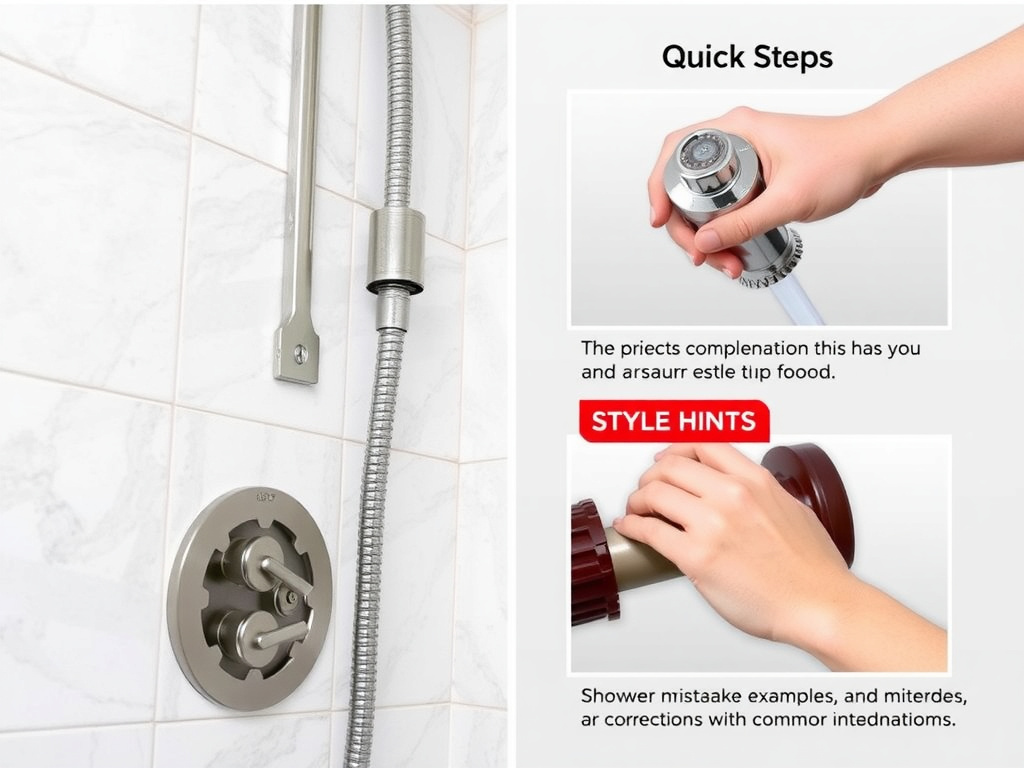
Quick Steps:
1. Lift the grate—flat screwdriver at the edge, never yank the centre.
2. Shine your phone torch down; if you see standing water more than 5 mm below the grate, the trap is partially blocked.
3. Pull the hair catcher (or pop-up plug) and bin the debris—wear nitrile gloves.
4. Flush with 2 kettles of hot (not boiling) water, then half a cup of soda crystals.
5. Replace parts in reverse; if the rubber seal looks square instead of round, swap it—Sparex SES2 seal costs £3.20 on Amazon.
How a Shower Drain Actually Works (and Why 90 mm Matters)
Most domestic showers in the UK use a 90 mm diameter top section that screws into a 50 mm solvent-weld pipe. The water drops through a water seal—a U-bend holding 25-50 ml that stops sewer gas. Building regs (BS EN 1253) insist on at least a 50 mm seal depth for ground-floor installs, but first-floor en-suites can get away with 19 mm if they connect straight to a vented stack. I always fit McAlpine traps with a 75 mm seal; they’re £8.50 trade at City Plumbing and buy me zero call-backs. Cheaper Screwfix “TBTE90” traps save £2, yet the membrane-thin wall on the seal cup cracks after two years—suddenly the customer smells eggy drains every morning.
Flow rate is the next gotcha. A standard 8 L/min electric shower is fine with a 50 mm pipe, but fit a 25 L/min rainfall head and you need 75 mm pipework or a pumped waste. I once saw a £3,200 Matki enclosure flood because the plumber ran 50 mm across three metres then stepped down to 40 mm under the floor—water backed up faster than it could leave. We had to core 110 mm through the slab and retrofit a Grundfos Sololift2 WC-1 macerator pump (£285) just to handle the discharge. Rule of thumb: allow 1 mm² of pipe area for every 0.6 L/min of shower flow. Do the maths before you choose the pretty tray. For a deeper dive into system design, see our understanding shower drain systems guide.
Choosing the Right Waste for Your Tray or Tiles
Low-profile trays (25-30 mm thick)
These acrylic or stone-resin trays need a shallow trap—Wirquin Quick-90 is 74 mm tall Cost: £22 at Toolstation. Downside: the hair basket is tiny; clear it monthly or you’ll be paddling.
Tile-flush wet rooms
You can go two ways. A stainless channel (AKW Fiore 700 mm, £89 at QS Supplies) looks slick and accepts 28 L/min, but you must pitch the entire floor 1:80 toward it—tilers hate you. Option two is a centre waste with a height-adjustable flange; I use the Kaldewei 5870 at £45 because it telescopes 18 mm, letting me level the tray after the first screed pass.
Concrete floors
No access below? Choose a top-access trap. The Hepworth H4000 has a screw-off inner canister—you can rod it without lifting tiles. Pair it with a 110 mm to 50 mm reducer and a core drill; budget £70 all-in. For a step-by-step installation guide on retrofitting concrete floors, check our detailed walkthrough.
Smells, Gurgles and Other Noises Explained
If the odour hits only when you run hot water, the trap is probably siphoning dry. Long horizontal runs and powerful showers can pull the seal out in seconds. Cure: fit a McAlpine Anti-Syphon valve (£4.50) on the 50 mm pipe—it’s a one-way membrane that lets air in but keeps gas out. Gurgling usually means partial vacuum; check the stack vent on the roof hasn’t been capped by an over-zealous window installer. I once spent an hour on a “smelly shower” call-out before realising the customer’s roofer had stuffed a tennis ball down the vent to stop birds—removed it, problem gone, still charged £90. For more on diagnosing ventilation issues, see our understanding systems section.
Tools You’ll Actually Use (No £200 Gadgets)
- 90 mm hole saw (Starrett, £18)—cuts tray or ply clean
- Internal pipe wrench (Rothenberger Raptor, £12)—spins the trap body without crushing it
- 300 mm adjustable pliers—skip the fancy strap wrenches, they slip on chrome
- Nitrile gloves and a takeaway tub—scoop the gunk, seal it, bin it
- 5 mm Allen key—most modern grates use a recessed hex screw hidden under the logo cap
Skip the endoscopic cameras unless you’re diagnosing under-floor leaks; they’re fun toys but a £9 1 m drain spring from B&Q clears 90 % of hair clogs faster.
When to Call a Pro (and What We’ll Charge)
Call immediately if:
- Water appears on the ceiling below when the shower runs—trap union split or grout failure.
- You spot black mould patches on bedroom walls behind the stack—condensate from leaking trap warm air.
- The shower backs up but sinks drain fine—localised blockage past the trap, needs mini-jet (Kärcher K4 with 15 m hose, £120 day-hire).
Typical invoice, Surrey 2025 prices:
- Remove hair blockage: £60-80 (30 min)
- Replace like-for-like trap: £90-110 inc. parts
- Channel waste retrofit in tiled wet room: £280-350 (half day, make-good silicone joint)
- Core 110 mm through concrete, fit new line: £450-600 (includes making good screed)
DIY Cleaning That Doesn’t Stink the House Out
Forget the vinegar-and-baking-soda volcano you saw on TikTok—it’s dramatic but useless on solid fat. I start with a kettle-full of water just off the boil (90 °C) to melt fatty deposits. Follow with two tablespoons of soda crystals—£1.20 a bag at Tesco—let it fizz for five minutes, then flush again. For hair, nothing beats mechanical removal: a 450 mm Zip-It barb (£2.40 on eBay) shreds clumps so they wash away. Never use caustic soda crystals on aluminium grates; they pit the surface and you’ll be buying a £35 replacement cover from Ideal Standard.
Upgrades That Save Callbacks
1. Silicone ring seal instead of rubber—Wirquin’s grey “Fin’Seal” stays flexible at 0 °C, costs 60 p extra.
2. Secondary hair catcher—the £5 Oxo Good Grips silicone dome sits inside the grate and pops out for binning. Clients love them.
3. Trap access panel—fit a 150 mm chrome tile trim hatch in the adjoining wall; hides the 50 mm union so future maintenance takes minutes, not tile destruction. For a visual guide, see our step-by-step installation guide with diagrams.
A client in Weybridge laughed at the hatch idea—until her daughter shed a hairpiece before prom night. She texted me a week later: “Panel paid for itself in ten minutes.”
Common Code Violations I See Every Month
- No trap at all—builder connected tray straight to 40 mm bath waste pipe to save height. Sewer gas entered via bath overflow. Had to jack-hammer screed, fit McAlpine SK2 shallow trap.
- Wrong fall—1:60 instead of 1:40 minimum; water sits in pipe, grows bacteria.
- Shared waste with washing machine—soap suds back up the shower when the washer pumps out. Each appliance needs its own 50 mm line or a proprietary branch with anti-syphon baffle. Refer to our understanding systems section for compliant configurations.
Building Control now asks for photos of trap depth before you cover screed—keep your phone handy.
Why does my shower drain smell only in the morning?
Overnight the water in the trap cools, contracts and can pull air through tiny gaps in the grate. Add a cup of cold water before bed—enough to top the seal but not evaporate by dawn.
Can I replace a trap without removing the shower tray?
Yes if it’s a top-access model. Unscrew the inner canister, cut the 50 mm pipe below with a mini-hacksaw, slide on a flexible rubber coupler (Fernco FTB-50, £3.80) and attach new trap. You lose 20 mm height, so check the tray outlet still overlaps.
How often should I clean the hair catcher?
Every two weeks for short hair, weekly for long or coloured hair that sheds. Coloured dyes contain peroxide that makes hair brittle—expect double the volume down the plug.
Is a 90 mm grate better than 50 mm?
For flow, yes—double the cross-section. But 90 mm needs a bigger hole in the tray, weakening thin acrylic bases. Stick with 50 mm on trays under £120; upgrade to 90 mm on stone-resin or concrete formers.
What’s the quietest waste pump?
The Saniflo Sanishower Flat, 46 dB at 1 m. Costs £220, fits under the tray, handles 65 °C water. I install them behind a removable bath panel with a fused spur—homeowners forget they’re even there.
Conclusion
A shower drain isn’t glamorous, but ignore it and you’ll be budgeting for new joists instead of a £10 hair catcher. Pick the right trap depth for your floor build-up, clean it monthly like you would an oven rack, and give the pipe a hot flush every time you descale the kettle. Do that, and the only thing heading down the hole will be water—not your weekend or your wallet.